have us call you right now.

Exomad Green Riberalta

Exomad Green Riberalta

Bolivia, Riberalta

Bolivia, Riberalta

4.6/5/0

4.6/5/0

Emission Removal

Verra

Verra

Oxford Category:

5

5

Buyer Protection

75,000

tCO2e removed annually - Carbon sequestered through biochar production

90%

carbon stability - Long-term carbon storage in biochar, preventing re-emission

30,000

tons of biochar produced yearly - Supporting sustainable agriculture and soil enhancement

Overview

Carbon Impact

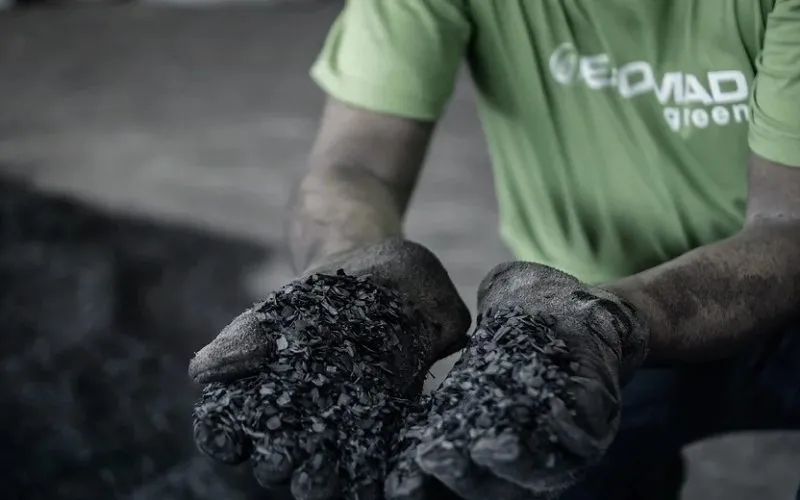
The Exomad Green Riberalta Biochar Facility uses pyrolysis to convert forestry residues - typically burned or left to decompose- into biochar, a stable carbon-rich material. Over its operational lifetime, the facility is expected to sequester 75,000 tons of CO2-equivalent emissions annually by producing 30,000 tons of biochar per year. Each ton of biochar removes approximately 2.5 tons of CO2 from the atmosphere, making it a powerful tool for climate mitigation.

By preventing the open burning of forestry residues, the project avoids the release of methane and CO2, directly contributing to emissions reduction. The biochar produced also enhances soil health, improving water retention, fertility, and crop yields for local farmers. This reduces the need for slash-and-burn agriculture, further protecting forests and biodiversity.

In addition to its environmental benefits, the facility supports the local economy by creating jobs and providing a sustainable solution for waste management in Bolivia’s forestry sector. The project exemplifies a circular economy approach, delivering climate, social, and economic benefits while advancing global net-zero goals.

Impact on local communities

The Exomad Green Riberalta Biochar Facility brings tangible benefits to nearby communities by transforming forestry residues - often burned or left to decompose - into a stable, valuable resource. By converting waste biomass into biochar through pyrolysis, the project eliminates harmful emissions, such as methane and CO2, that would otherwise be released into the atmosphere. This process creates a cleaner, safer environment for residents living near forestry operations, reducing air pollution and improving local air quality.

In addition to environmental improvements, the facility lowers the risk of uncontrolled fires, which can occur when biomass is burned openly. Beyond these benefits, the project creates local jobs in biochar production, logistics, and agricultural support, fostering economic growth in the region. The initiative also engaged local farmers and communities through consultations and training, ensuring their concerns were addressed and building trust in the project’s long-term social and environmental benefits.

To embed a Youtube video, add the URL to the properties panel.

Overview

Carbon Impact

The Exomad Green Riberalta Biochar Facility uses pyrolysis to convert forestry residues - typically burned or left to decompose- into biochar, a stable carbon-rich material. Over its operational lifetime, the facility is expected to sequester 75,000 tons of CO2-equivalent emissions annually by producing 30,000 tons of biochar per year. Each ton of biochar removes approximately 2.5 tons of CO2 from the atmosphere, making it a powerful tool for climate mitigation.

By preventing the open burning of forestry residues, the project avoids the release of methane and CO2, directly contributing to emissions reduction. The biochar produced also enhances soil health, improving water retention, fertility, and crop yields for local farmers. This reduces the need for slash-and-burn agriculture, further protecting forests and biodiversity.

In addition to its environmental benefits, the facility supports the local economy by creating jobs and providing a sustainable solution for waste management in Bolivia’s forestry sector. The project exemplifies a circular economy approach, delivering climate, social, and economic benefits while advancing global net-zero goals.

Impact on local communities

The Exomad Green Riberalta Biochar Facility brings tangible benefits to nearby communities by transforming forestry residues - often burned or left to decompose - into a stable, valuable resource. By converting waste biomass into biochar through pyrolysis, the project eliminates harmful emissions, such as methane and CO2, that would otherwise be released into the atmosphere. This process creates a cleaner, safer environment for residents living near forestry operations, reducing air pollution and improving local air quality.

In addition to environmental improvements, the facility lowers the risk of uncontrolled fires, which can occur when biomass is burned openly. Beyond these benefits, the project creates local jobs in biochar production, logistics, and agricultural support, fostering economic growth in the region. The initiative also engaged local farmers and communities through consultations and training, ensuring their concerns were addressed and building trust in the project’s long-term social and environmental benefits.

To embed a Youtube video, add the URL to the properties panel.

Overview

Carbon Impact

The Exomad Green Riberalta Biochar Facility uses pyrolysis to convert forestry residues - typically burned or left to decompose- into biochar, a stable carbon-rich material. Over its operational lifetime, the facility is expected to sequester 75,000 tons of CO2-equivalent emissions annually by producing 30,000 tons of biochar per year. Each ton of biochar removes approximately 2.5 tons of CO2 from the atmosphere, making it a powerful tool for climate mitigation.

By preventing the open burning of forestry residues, the project avoids the release of methane and CO2, directly contributing to emissions reduction. The biochar produced also enhances soil health, improving water retention, fertility, and crop yields for local farmers. This reduces the need for slash-and-burn agriculture, further protecting forests and biodiversity.

In addition to its environmental benefits, the facility supports the local economy by creating jobs and providing a sustainable solution for waste management in Bolivia’s forestry sector. The project exemplifies a circular economy approach, delivering climate, social, and economic benefits while advancing global net-zero goals.

Impact on local communities

The Exomad Green Riberalta Biochar Facility brings tangible benefits to nearby communities by transforming forestry residues - often burned or left to decompose - into a stable, valuable resource. By converting waste biomass into biochar through pyrolysis, the project eliminates harmful emissions, such as methane and CO2, that would otherwise be released into the atmosphere. This process creates a cleaner, safer environment for residents living near forestry operations, reducing air pollution and improving local air quality.

In addition to environmental improvements, the facility lowers the risk of uncontrolled fires, which can occur when biomass is burned openly. Beyond these benefits, the project creates local jobs in biochar production, logistics, and agricultural support, fostering economic growth in the region. The initiative also engaged local farmers and communities through consultations and training, ensuring their concerns were addressed and building trust in the project’s long-term social and environmental benefits.

To embed a Youtube video, add the URL to the properties panel.

Overview

Carbon Impact

The Exomad Green Riberalta Biochar Facility uses pyrolysis to convert forestry residues - typically burned or left to decompose- into biochar, a stable carbon-rich material. Over its operational lifetime, the facility is expected to sequester 75,000 tons of CO2-equivalent emissions annually by producing 30,000 tons of biochar per year. Each ton of biochar removes approximately 2.5 tons of CO2 from the atmosphere, making it a powerful tool for climate mitigation.

By preventing the open burning of forestry residues, the project avoids the release of methane and CO2, directly contributing to emissions reduction. The biochar produced also enhances soil health, improving water retention, fertility, and crop yields for local farmers. This reduces the need for slash-and-burn agriculture, further protecting forests and biodiversity.

In addition to its environmental benefits, the facility supports the local economy by creating jobs and providing a sustainable solution for waste management in Bolivia’s forestry sector. The project exemplifies a circular economy approach, delivering climate, social, and economic benefits while advancing global net-zero goals.

Impact on local communities

The Exomad Green Riberalta Biochar Facility brings tangible benefits to nearby communities by transforming forestry residues - often burned or left to decompose - into a stable, valuable resource. By converting waste biomass into biochar through pyrolysis, the project eliminates harmful emissions, such as methane and CO2, that would otherwise be released into the atmosphere. This process creates a cleaner, safer environment for residents living near forestry operations, reducing air pollution and improving local air quality.

In addition to environmental improvements, the facility lowers the risk of uncontrolled fires, which can occur when biomass is burned openly. Beyond these benefits, the project creates local jobs in biochar production, logistics, and agricultural support, fostering economic growth in the region. The initiative also engaged local farmers and communities through consultations and training, ensuring their concerns were addressed and building trust in the project’s long-term social and environmental benefits.

To embed a Youtube video, add the URL to the properties panel.

What is Biochar?

When forestry residues, agricultural waste, or other organic materials are burned or left to decompose, they release carbon dioxide (CO₂) and methane (CH₄) - a potent greenhouse gas - into the atmosphere. Without intervention, these emissions contribute to air pollution and climate change.

Biochar projects use a process called pyrolysis, which heats organic waste in the absence of oxygen to convert it into biochar, a stable carbon-rich material. Instead of releasing greenhouse gases, the carbon in the biomass is locked into the biochar, preventing it from escaping into the atmosphere. This process starts with collecting and drying the biomass, then heating it in a controlled environment to produce biochar while capturing any emissions.

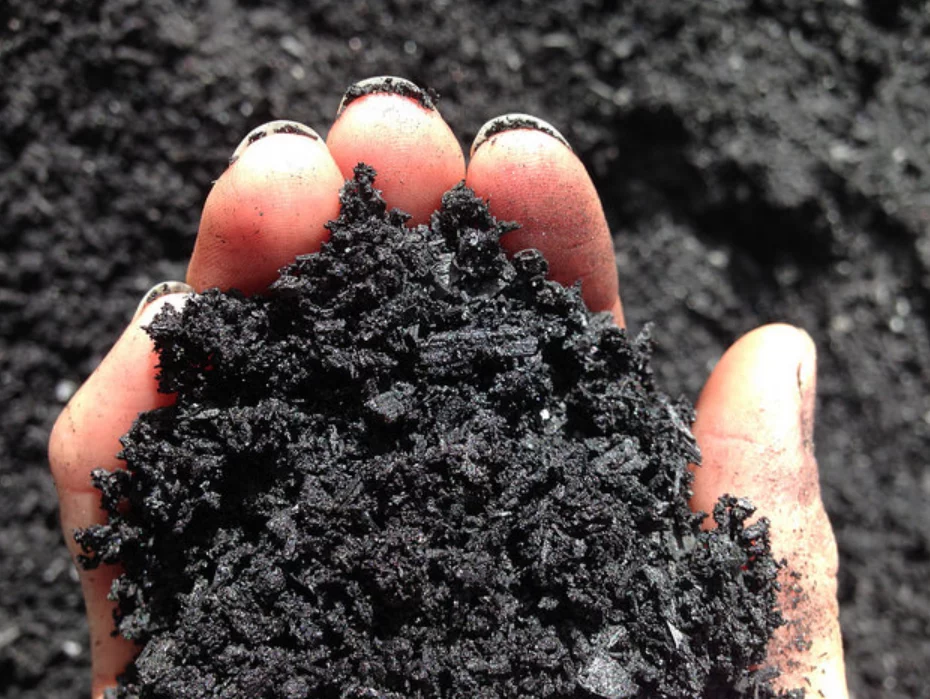
The resulting biochar can be used to improve soil health, enhancing water retention, fertility, and crop yields. When applied to soil, it acts as a long-term carbon sink, storing carbon for centuries. The process also reduces the risk of uncontrolled fires and air pollution from open burning. Continuous monitoring ensures the system operates efficiently, and the verified carbon removals can be sold as carbon credits. This approach not only cuts pollution and waste but also supports sustainable agriculture, improves local air quality, and creates economic opportunities for communities.

Certification Standard


This project is verified by Verified Carbon Standard (Verra). VCS was established in 2007 and is a full-fledged carbon offset program developed and run by the non-profit Verra. It focuses on GHG reduction attributes only and does not require projects to have additional environmental or social benefits. The VCS is broadly supported by the carbon offset industry (project developers, large offset buyers, verifiers, and projects consultants) and is active globally.

United Nations' Sustainable Development Goals

The project improves local air quality by preventing open burning of biomass, reducing pollution and health risks for nearby communities.

The facility creates local jobs in biochar production, logistics, and agriculture, fostering economic growth and supporting livelihoods in the region.

The facility removes 75,000 tons of CO2-equivalent emissions annually, directly contributing to global climate mitigation efforts and advancing net-zero goals.

By reducing slash-and-burn agriculture and improving soil health, the project protects forests, enhances biodiversity, and promotes sustainable land use.

United Nations' Sustainable Development Goals

The project improves local air quality by preventing open burning of biomass, reducing pollution and health risks for nearby communities.

The facility creates local jobs in biochar production, logistics, and agriculture, fostering economic growth and supporting livelihoods in the region.

The facility removes 75,000 tons of CO2-equivalent emissions annually, directly contributing to global climate mitigation efforts and advancing net-zero goals.

By reducing slash-and-burn agriculture and improving soil health, the project protects forests, enhances biodiversity, and promotes sustainable land use.

United Nations' Sustainable Development Goals

The project improves local air quality by preventing open burning of biomass, reducing pollution and health risks for nearby communities.

The facility creates local jobs in biochar production, logistics, and agriculture, fostering economic growth and supporting livelihoods in the region.

The facility removes 75,000 tons of CO2-equivalent emissions annually, directly contributing to global climate mitigation efforts and advancing net-zero goals.

By reducing slash-and-burn agriculture and improving soil health, the project protects forests, enhances biodiversity, and promotes sustainable land use.

United Nations' Sustainable Development Goals

The project improves local air quality by preventing open burning of biomass, reducing pollution and health risks for nearby communities.

The facility creates local jobs in biochar production, logistics, and agriculture, fostering economic growth and supporting livelihoods in the region.

The facility removes 75,000 tons of CO2-equivalent emissions annually, directly contributing to global climate mitigation efforts and advancing net-zero goals.

By reducing slash-and-burn agriculture and improving soil health, the project protects forests, enhances biodiversity, and promotes sustainable land use.

Regreener's Rating

The Exomad Green Riberalta Biochar Facility demonstrates how proven carbon removal technologies can deliver scalable, high-impact climate solutions. By converting forestry residues into stable biochar, the project removes 75,000 tons of CO2-equivalent emissions annually, addressing a persistent challenge in biomass waste management. With its durability and efficiency - with carbon locked away for centuries - make it indispensable in the transition to net-zero. Beyond emissions reduction, the project aligns with key Sustainable Development Goals: improving local air quality by eliminating open burning, enhancing soil health and agricultural productivity, and creating economic opportunities through job creation. The facility’s 90%+ carbon stability, rigorous monitoring, and Puro.earth certification ensure transparency and long-term climate benefits. Its use of syngas for on-site energy further boosts efficiency, embodying circular economy principles. For corporations and investors seeking measurable, low-risk climate action, Exomad Green offers a reliable, high-impact solution. It proves that practical, well-executed projects can drive meaningful progress without disruptive innovation. In an era where credibility and scalability are paramount, this project stands as a benchmark for operational excellence - delivering tangible environmental, social, and economic co-benefits while advancing global net-zero goals. It is a model of how proven technologies, when deployed with precision, can transform waste into a climate solution.

1

1

2

2

3

3

4

4

5

5

0

1

2

3

4

4.9

5

Evaluates the overall project design, methodology, goals and set-up.

Evaluates the overall project design, methodology, goals and set-up.

Evaluates the overall project design, methodology, goals and set-up.

General Project Details

General Project Details

General Project Details

4.8

4.8

Evaluates actual, verifiable GHG reductions (CO₂-equivalent tonnage, permanence).

Evaluates actual, verifiable GHG reductions (CO₂-equivalent tonnage, permanence).

Evaluates actual, verifiable GHG reductions (CO₂-equivalent tonnage, permanence).

Carbon Impact

Carbon Impact

Carbon Impact

4.9

4.9

Assesses the positive impact on biodiversity, local communities, and ecosystem resilience.

Assesses the positive impact on biodiversity, local communities, and ecosystem resilience.

Assesses the positive impact on biodiversity, local communities, and ecosystem resilience.

Co-benefits

Co-benefits

Co-benefits

4.1

4.1

Evaluates project accountability, monitoring accuracy, and the reliability of reported outcomes.

Evaluates project accountability, monitoring accuracy, and the reliability of reported outcomes.

Evaluates project accountability, monitoring accuracy, and the reliability of reported outcomes.

Reporting & dMRV

Reporting & dMRV

Reporting & dMRV

4.5

4.5

Reviews alignment with standards, market credibility, and reputation protection.

Reviews alignment with standards, market credibility, and reputation protection.

Reviews alignment with standards, market credibility, and reputation protection.

Compliance & Reputation

Compliance & Reputation

Compliance & Reputation

4.5

4.5

Overall weighted score

4.8 / 5

4.8 / 5

Start supporting this high-quality project

Enter your details and out team will reach out about next steps.

Start supporting this high-quality project

Enter your details and out team will reach out about next steps.

Start supporting this high-quality project

Enter your details and out team will reach out about next steps.