have us call you right now.

OFFSET

Buy carbon credits without reputational risk

Buy carbon credits without reputational risk

Buy carbon credits without reputational risk

Take responsibility for residual emissions by supporting the best verified carbon projects.

Take responsibility for residual emissions by supporting the best verified carbon projects.

Top 10% credits in the market, verified credits against 200+ metrics

European and international projects

Regreener Framework on carbon credits score
Join 200+ companies in taking climate action

THE THEORY

The important role of carbon credits

Forcing calculation

Before supporting projects, companies need to calculate emissions which raises awareness

Pushing reduction

Offsetting creates an internal cost, making companies 1.8x more likely to be decarbonizing year-over-year

Driving impact

Carbon offsets fund projects with a positive impact on the environment and on local communities

THE PROBLEM

Steer clear of greenwashing

84%

84%

of carbon credits do not represent 1 tonne of carbon

of carbon credits do not represent 1 tonne of carbon

16%

16%

that is remaining is of sufficient quality

REGREENER: THE SOLUTION

Carbon credits that deliver on their promise, verified against our Quality Framework

200+ data points

The projects we offer are vetted against 200+ data points, ensuring reliable impact

200+ data points

The projects we offer are vetted against 200+ data points, ensuring reliable impact

200+ data points

The projects we offer are vetted against 200+ data points, ensuring reliable impact

Top 10% projects

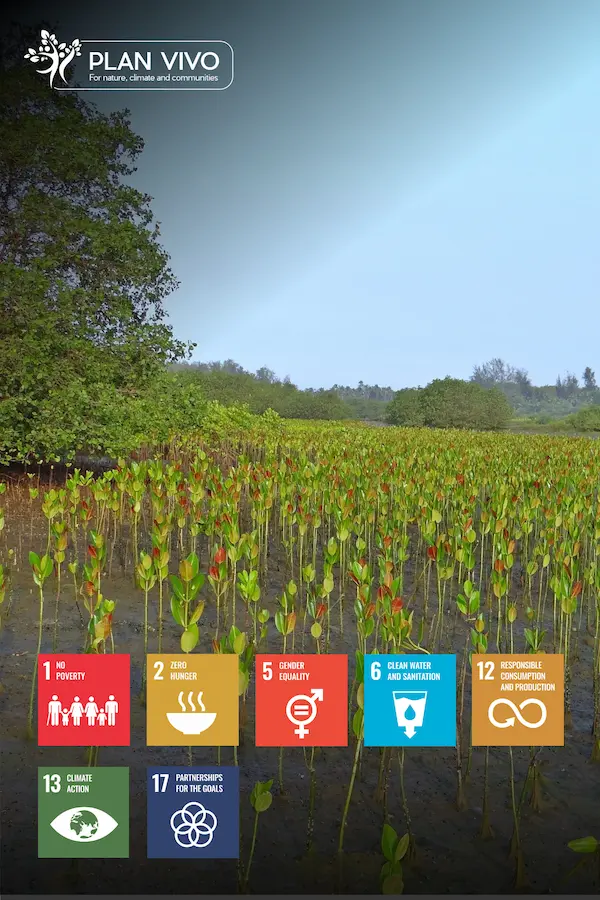
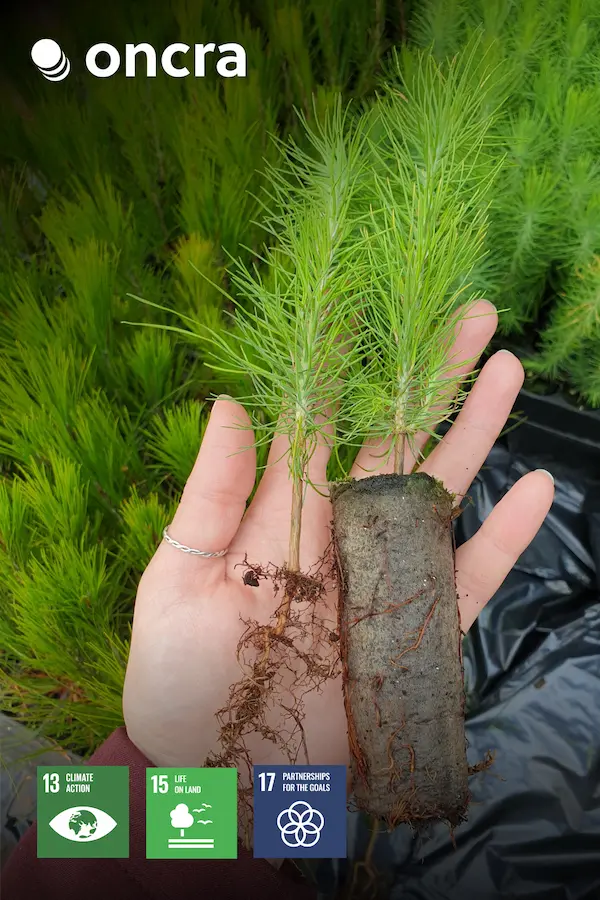
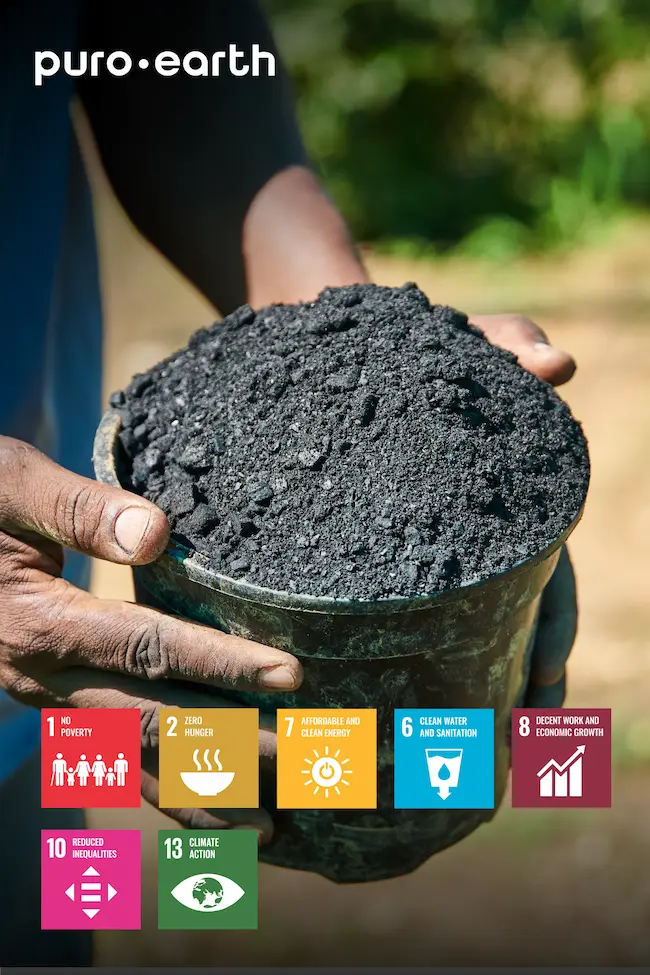
We handpick the best projects across different types (NBS, DAC, biochar and more)

Top 10% projects

We handpick the best projects across different types (NBS, DAC, biochar)

Top 10% projects

We handpick the best projects across different types (NBS, DAC, biochar and more)

Balanced portfolio's

European or international project portfolio's, in line with your budgettary requirements

Balanced portfolio's

European or international project bundels, in line with your budgettary requirements

Balanced portfolio's

European or international project portfolio's, in line with your budgettary requirements

Compliant reporting about verified impact

Everything you need, in one place

Impact Dashboard

Follow project progress through a company dashboard, including detailed project pages

Marketing Toolkit

Custom kits to showcase your climate impact, internally and externally — fast and easy to share

Expert Support

Get guidance on compliance, marketing, and reporting to meet your goals effortlessly.

impact communication
Impact Dashboard

Follow project progress through a company dashboard, including detailed project pages

Marketing Toolkit

Custom kits to showcase your climate impact, internally and externally — fast and easy to share

Expert Support

Get guidance on compliance, marketing, and reporting to meet your goals effortlessly.

impact communication
Impact Dashboard

Follow project progress through a company dashboard, including detailed project pages

Marketing Toolkit

Custom kits to showcase your climate impact, internally and externally — fast and easy to share

Expert Support

Get guidance on compliance, marketing, and reporting to meet your goals effortlessly.

impact communication
Impact Dashboard

Follow project progress through a company dashboard, including detailed project pages

Marketing Toolkit

Custom kits to showcase your climate impact, internally and externally — fast and easy to share

Expert Support

Get guidance on compliance, marketing, and reporting to meet your goals effortlessly.

impact communication

THE WHY

The reasons to buy high-quality carbon credits

The reasons to buy high-quality carbon credits

The reasons to buy high-quality carbon credits

Strengthen your ESG rating

High-quality carbon credits ensure measurable, verified impact outside of your value chain - supporting projects that make a tangible difference.

Strengthen your ESG rating

High-quality carbon credits ensure measurable, verified impact outside of your value chain - supporting projects that make a tangible difference.

Strengthen your ESG rating

High-quality carbon credits ensure measurable, verified impact outside of your value chain - supporting projects that make a tangible difference.

Strengthen your ESG rating

High-quality carbon credits ensure measurable, verified impact outside of your value chain - supporting projects that make a tangible difference.

Ensure regulatory compliance

Stay ahead of evolving climate regulations and steer clear of greenwashing by purchasing credits that meet the highest standards

Ensure regulatory compliance

Stay ahead of evolving climate regulations and steer clear of greenwashing by purchasing credits that meet the highest standards

Ensure regulatory compliance

Stay ahead of evolving climate regulations and steer clear of greenwashing by purchasing credits that meet the highest standards

Ensure regulatory compliance

Stay ahead of evolving climate regulations and steer clear of greenwashing by purchasing credits that meet the highest standards

Showcase climate leadership

Demonstrate commitment to clients, investors, and employees by taking meaningful action on climate change.

Showcase climate leadership

Demonstrate commitment to clients, investors, and employees by taking meaningful action on climate change.

Showcase climate leadership

Demonstrate commitment to clients, investors, and employees by taking meaningful action on climate change.

Showcase climate leadership

Demonstrate commitment to clients, investors, and employees by taking meaningful action on climate change.

Reduce the financial risk of inaction

Failing to secure multi-year offset agreements creates direct liability and potential future costs due to rising prices and stricter regulations.

Reduce the financial risk of inaction

Failing to secure multi-year offset agreements creates direct liability and potential future costs due to rising prices and stricter regulations.

Reduce the financial risk of inaction

Failing to secure multi-year offset agreements creates direct liability and potential future costs due to rising prices and stricter regulations.

Reduce the financial risk of inaction

Failing to secure multi-year offset agreements creates direct liability and potential future costs due to rising prices and stricter regulations.

Ultimate Guide: the Best Carbon Credits of 2025

Navigate the complex voluntary carbon market with confidence. From top-rated Nature-Based Solutions and Engineered Removals to the best standards and geographical options: this is your complete resource for sourcing high-integrity credits aligned with your (Science-Based) Targets.

Navigate the complex voluntary carbon market with confidence. From top-rated Nature-Based Solutions and Engineered Removals to the best standards and geographical options: this is your complete resource for sourcing high-integrity credits aligned with your (Science-Based) Targets.

Regreener Framework
Regreener Framework
Regreener Framework
Regreener Framework

The factors that influence the price of carbon credits

The factors that influence the price of carbon credits

The factors that influence the price of carbon credits

Carbon credits put a monetary value on carbon emissions and is often referred to as 'carbon pricing'. This creates a financial stimulus for companies to reduce their carbon footprint.

Carbon credits put a monetary value on carbon emissions and is often referred to as 'carbon pricing'. This creates a financial stimulus for companies to reduce their carbon footprint.

Project type

Project type

Project type

Nature-based solutions like reforestation or forest conservation tend to be more expensive because they offer additional benefits such as biodiversity and community impact.


Tech-based solutions like renewable energy or cookstoves are usually cheaper and may provide fewer co-benefits.

Nature-based solutions like reforestation or forest conservation tend to be more expensive because they offer additional benefits such as biodiversity and community impact.


Tech-based solutions like renewable energy or cookstoves are usually cheaper and may provide fewer co-benefits.

Certification standard

Carbon credits are verified by independent standards such as Verra (VCS), Gold Standard, or Plan Vivo.


Credits certified by well-respected standards typically cost more due to the rigorous validation and monitoring process that ensures credibility and transparency.

Carbon credits are verified by independent standards such as Verra (VCS), Gold Standard, or Plan Vivo.


Credits certified by well-respected standards typically cost more due to the rigorous validation and monitoring process that ensures credibility and transparency.

Project location

Project location

Project location

The country or region where the project takes place can influence costs.


Projects in areas with complex land rights, higher labor costs, or greater political risk may be more expensive to develop and maintain, raising the credit price.

The country or region where the project takes place can influence costs.


Projects in areas with complex land rights, higher labor costs, or greater political risk may be more expensive to develop and maintain, raising the credit price.

Vintage

Vintage

Vintage

The vintage refers to when the emission reduction or removal actually took place.


Newer vintages often have higher prices due to better data, improved methodologies, and stronger buyer preferences for recent climate impact.

The vintage refers to when the emission reduction or removal actually took place.


Newer vintages often have higher prices due to better data, improved methodologies, and stronger buyer preferences for recent climate impact.

Co-benefits

Co-benefits

Co-benefits

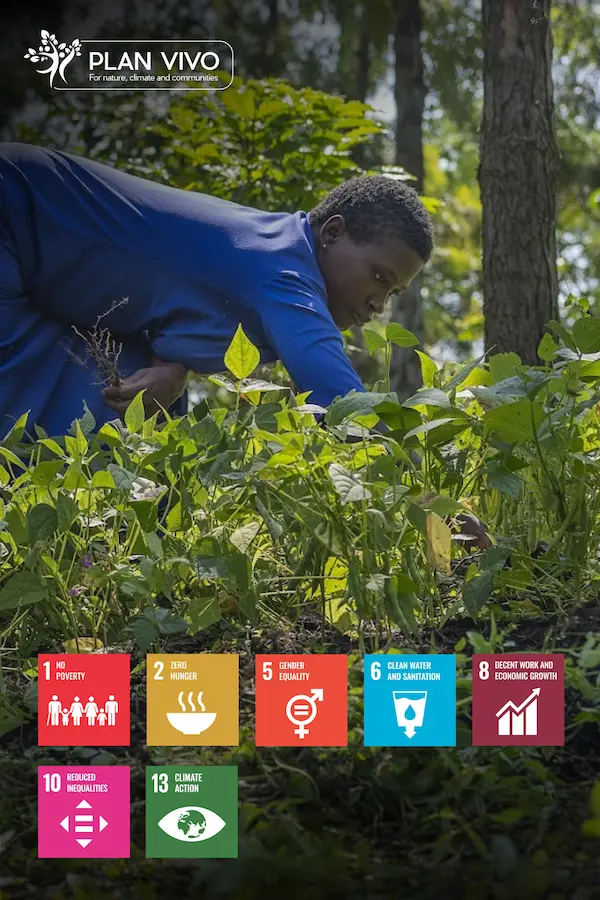
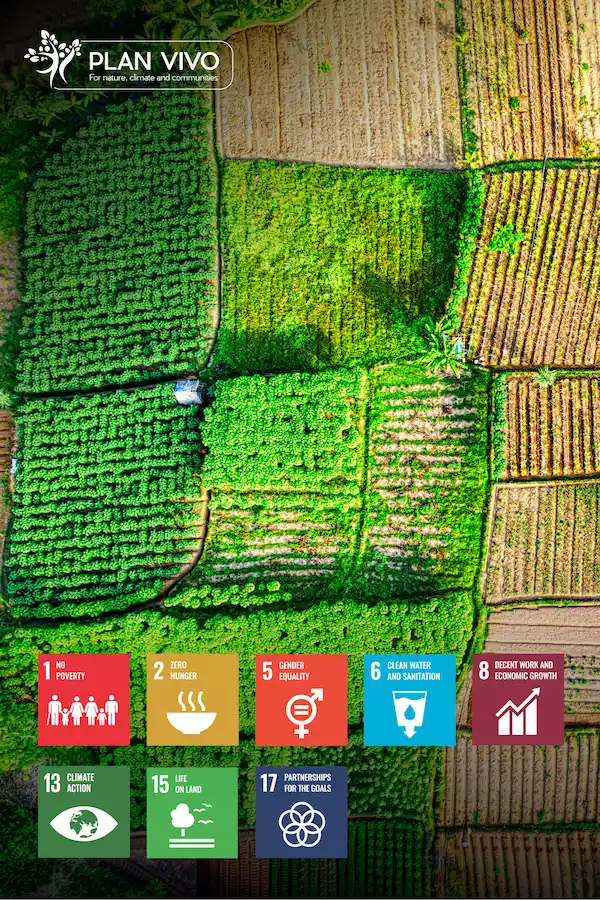
Projects that offer environmental, social, or economic benefits beyond carbon reduction—like supporting indigenous communities—often command higher prices.


These SDG-aligned (UN Sustainable Development Goals) projects attract buyers looking for broader impact.

Projects that offer environmental, social, or economic benefits beyond carbon reduction—like supporting indigenous communities—often command higher prices.


These SDG-aligned (UN Sustainable Development Goals) projects attract buyers looking for broader impact.

Market dynamics

Market dynamics

Market dynamics

Supply and demand plays a role in shaping carbon credit prices. When demand for high-quality or specific types of credits rises faster than supply, prices increase.


External factors- such as corporate net-zero commitments, regulatory shifts - can also influence buyer behavior.

Supply and demand plays a role in shaping carbon credit prices. When demand for high-quality or specific types of credits rises faster than supply, prices increase.


External factors- such as corporate net-zero commitments, regulatory shifts - can also influence buyer behavior.

TESTIMONIALS

What others are saying

What others are saying

What others are saying

Veerle Oostendorp

Sustainability Office @ BDO

"The collaboration with Regreener allows us to take responsibility for our emissions during this reduction process, while continuing to invest in structural sustainability.

In addition, we can actively involve colleagues and raise awareness about climate action, while working towards a NetZero future."

Christian Christensen

Senior Manager @ Valcon

"With Regreener, we offset what we couldn't yet reduce in a credible, values-driven way."

Alexandra Kist

Sustainability Manager @ O My Bag

"Through our collaboration with Regreener, we offset the emissions that we cannot reduce. We support projects that are close to our supply chain in India and that have a positive social and ecological impact."

Willem Brunia

CFO @ Capital A Partners

"Capital Capital A strives to create long-term value for its stakeholders. The partnership with Regreener enables us to take responsibility for our own emissions, as part of a broader ESG and sustainability strategy."

Reinoud Prins

CEO @ Liberi Coach

"Through our partnership, words are turned into action: for every walk we take, we create real impact. This makes the difference tangible."

Chris van Eldijk

CEO @ Barista Company

"It is our goal to serve beautiful coffees at events for many years to come. Regreener helps us do that in a way that harms the world as little as possible."

Veerle Oostendorp

Sustainability Office @ BDO

"The collaboration with Regreener allows us to take responsibility for our emissions during this reduction process, while continuing to invest in structural sustainability.

In addition, we can actively involve colleagues and raise awareness about climate action, while working towards a NetZero future."

Christian Christensen

Senior Manager @ Valcon

"With Regreener, we offset what we couldn't yet reduce in a credible, values-driven way."

Alexandra Kist

Sustainability Manager @ O My Bag

"Through our collaboration with Regreener, we offset the emissions that we cannot reduce. We support projects that are close to our supply chain in India and that have a positive social and ecological impact."

Willem Brunia

CFO @ Capital A Partners

"Capital Capital A strives to create long-term value for its stakeholders. The partnership with Regreener enables us to take responsibility for our own emissions, as part of a broader ESG and sustainability strategy."

Reinoud Prins

CEO @ Liberi Coach

"Through our partnership, words are turned into action: for every walk we take, we create real impact. This makes the difference tangible."

Chris van Eldijk

CEO @ Barista Company

"It is our goal to serve beautiful coffees at events for many years to come. Regreener helps us do that in a way that harms the world as little as possible."

Veerle Oostendorp

Sustainability Office @ BDO

"The collaboration with Regreener allows us to take responsibility for our emissions during this reduction process, while continuing to invest in structural sustainability.

In addition, we can actively involve colleagues and raise awareness about climate action, while working towards a NetZero future."

Christian Christensen

Senior Manager @ Valcon

"With Regreener, we offset what we couldn't yet reduce in a credible, values-driven way."

Alexandra Kist

Sustainability Manager @ O My Bag

"Through our collaboration with Regreener, we offset the emissions that we cannot reduce. We support projects that are close to our supply chain in India and that have a positive social and ecological impact."

Willem Brunia

CFO @ Capital A Partners

"Capital Capital A strives to create long-term value for its stakeholders. The partnership with Regreener enables us to take responsibility for our own emissions, as part of a broader ESG and sustainability strategy."

Reinoud Prins

CEO @ Liberi Coach

"Through our partnership, words are turned into action: for every walk we take, we create real impact. This makes the difference tangible."

Chris van Eldijk

CEO @ Barista Company

"It is our goal to serve beautiful coffees at events for many years to come. Regreener helps us do that in a way that harms the world as little as possible."

Veerle Oostendorp

Sustainability Office @ BDO

"The collaboration with Regreener allows us to take responsibility for our emissions during this reduction process, while continuing to invest in structural sustainability.

In addition, we can actively involve colleagues and raise awareness about climate action, while working towards a NetZero future."

Christian Christensen

Senior Manager @ Valcon

"With Regreener, we offset what we couldn't yet reduce in a credible, values-driven way."

Alexandra Kist

Sustainability Manager @ O My Bag

"Through our collaboration with Regreener, we offset the emissions that we cannot reduce. We support projects that are close to our supply chain in India and that have a positive social and ecological impact."

Willem Brunia

CFO @ Capital A Partners

"Capital Capital A strives to create long-term value for its stakeholders. The partnership with Regreener enables us to take responsibility for our own emissions, as part of a broader ESG and sustainability strategy."

Reinoud Prins

CEO @ Liberi Coach

"Through our partnership, words are turned into action: for every walk we take, we create real impact. This makes the difference tangible."

Chris van Eldijk

CEO @ Barista Company

"It is our goal to serve beautiful coffees at events for many years to come. Regreener helps us do that in a way that harms the world as little as possible."

Get in touch

Contact us to learn more about our carbon credit solutions. Developing carbon credits? Click here.

FAQs about carbon offsetting

Are carbon credits tax-deductible?

In many jurisdictions (including parts of the EU and UK), purchasing carbon credits for business purposes—specifically to meet sustainability targets or CSR commitments—can be treated as a business expense. However, tax laws regarding voluntary carbon markets are evolving rapidly. We advise consulting with our team or a tax professional regarding your specific jurisdiction.

Can my company still claim "Carbon Neutral"?

The terminology is shifting. Under new guidelines (like VCMI and EU Green Claims Directive), companies are advised to move away from claiming "Carbon Neutrality" based solely on offsetting. Instead, the focus is on "Contribution Claims" or "Beyond Value Chain Mitigation," where you fund climate action without necessarily using it to cancel out your own gross emissions in your marketing.

What is the average price of a carbon credit in 2026?

Prices vary drastically based on the project type. While older renewable energy credits can still be found for under €5, high-integrity nature-based solutions typically range between €15 and €30 per ton. Engineered removals like Biochar and DAC command premiums ranging from €100 to over €400 per ton due to their high durability and scarcity.

What defines a "high-quality" carbon credit in 2026?

In 2026, "high quality" is no longer subjective; it is defined by adherence to the ICVCM’s Core Carbon Principles (CCPs). To be considered high-quality, a credit must demonstrate:

  • Additionality: The project would not have happened without the carbon finance.

  • Permanence: The CO2 is stored for decades or centuries (low reversal risk).

  • Co-benefits: measurable positive impacts on local biodiversity and communities (SDGs).

  • Third-Party Ratings: Verification by independent agencies like Sylvera, BeZero, or Calyx is now a standard requirement for premium pricing.

Why is there a price gap between voluntary and compliance carbon credits?

The price gap—roughly $15 (Voluntary) vs. $90+ (Compliance/EU)—exists because the markets serve different purposes. Compliance markets (like the EU ETS) are legally mandatory with a fixed supply cap that forces companies to buy, driving prices up. The Voluntary Market (VCM) has an uncapped supply of project developers, keeping prices lower. However, as the VCM tightens standards in 2026, we expect this gap to narrow slightly for high-quality removal credits that mimic compliance-grade integrity.

Are carbon credits tax-deductible?

In many jurisdictions (including parts of the EU and UK), purchasing carbon credits for business purposes—specifically to meet sustainability targets or CSR commitments—can be treated as a business expense. However, tax laws regarding voluntary carbon markets are evolving rapidly. We advise consulting with our team or a tax professional regarding your specific jurisdiction.

Can my company still claim "Carbon Neutral"?

The terminology is shifting. Under new guidelines (like VCMI and EU Green Claims Directive), companies are advised to move away from claiming "Carbon Neutrality" based solely on offsetting. Instead, the focus is on "Contribution Claims" or "Beyond Value Chain Mitigation," where you fund climate action without necessarily using it to cancel out your own gross emissions in your marketing.

What is the average price of a carbon credit in 2026?

Prices vary drastically based on the project type. While older renewable energy credits can still be found for under €5, high-integrity nature-based solutions typically range between €15 and €30 per ton. Engineered removals like Biochar and DAC command premiums ranging from €100 to over €400 per ton due to their high durability and scarcity.

What defines a "high-quality" carbon credit in 2026?

In 2026, "high quality" is no longer subjective; it is defined by adherence to the ICVCM’s Core Carbon Principles (CCPs). To be considered high-quality, a credit must demonstrate:

  • Additionality: The project would not have happened without the carbon finance.

  • Permanence: The CO2 is stored for decades or centuries (low reversal risk).

  • Co-benefits: measurable positive impacts on local biodiversity and communities (SDGs).

  • Third-Party Ratings: Verification by independent agencies like Sylvera, BeZero, or Calyx is now a standard requirement for premium pricing.

Why is there a price gap between voluntary and compliance carbon credits?

The price gap—roughly $15 (Voluntary) vs. $90+ (Compliance/EU)—exists because the markets serve different purposes. Compliance markets (like the EU ETS) are legally mandatory with a fixed supply cap that forces companies to buy, driving prices up. The Voluntary Market (VCM) has an uncapped supply of project developers, keeping prices lower. However, as the VCM tightens standards in 2026, we expect this gap to narrow slightly for high-quality removal credits that mimic compliance-grade integrity.

Are carbon credits tax-deductible?

In many jurisdictions (including parts of the EU and UK), purchasing carbon credits for business purposes—specifically to meet sustainability targets or CSR commitments—can be treated as a business expense. However, tax laws regarding voluntary carbon markets are evolving rapidly. We advise consulting with our team or a tax professional regarding your specific jurisdiction.

Can my company still claim "Carbon Neutral"?

The terminology is shifting. Under new guidelines (like VCMI and EU Green Claims Directive), companies are advised to move away from claiming "Carbon Neutrality" based solely on offsetting. Instead, the focus is on "Contribution Claims" or "Beyond Value Chain Mitigation," where you fund climate action without necessarily using it to cancel out your own gross emissions in your marketing.

What is the average price of a carbon credit in 2026?

Prices vary drastically based on the project type. While older renewable energy credits can still be found for under €5, high-integrity nature-based solutions typically range between €15 and €30 per ton. Engineered removals like Biochar and DAC command premiums ranging from €100 to over €400 per ton due to their high durability and scarcity.

What defines a "high-quality" carbon credit in 2026?

In 2026, "high quality" is no longer subjective; it is defined by adherence to the ICVCM’s Core Carbon Principles (CCPs). To be considered high-quality, a credit must demonstrate:

  • Additionality: The project would not have happened without the carbon finance.

  • Permanence: The CO2 is stored for decades or centuries (low reversal risk).

  • Co-benefits: measurable positive impacts on local biodiversity and communities (SDGs).

  • Third-Party Ratings: Verification by independent agencies like Sylvera, BeZero, or Calyx is now a standard requirement for premium pricing.

Why is there a price gap between voluntary and compliance carbon credits?

The price gap—roughly $15 (Voluntary) vs. $90+ (Compliance/EU)—exists because the markets serve different purposes. Compliance markets (like the EU ETS) are legally mandatory with a fixed supply cap that forces companies to buy, driving prices up. The Voluntary Market (VCM) has an uncapped supply of project developers, keeping prices lower. However, as the VCM tightens standards in 2026, we expect this gap to narrow slightly for high-quality removal credits that mimic compliance-grade integrity.

Are carbon credits tax-deductible?

In many jurisdictions (including parts of the EU and UK), purchasing carbon credits for business purposes—specifically to meet sustainability targets or CSR commitments—can be treated as a business expense. However, tax laws regarding voluntary carbon markets are evolving rapidly. We advise consulting with our team or a tax professional regarding your specific jurisdiction.

Can my company still claim "Carbon Neutral"?

The terminology is shifting. Under new guidelines (like VCMI and EU Green Claims Directive), companies are advised to move away from claiming "Carbon Neutrality" based solely on offsetting. Instead, the focus is on "Contribution Claims" or "Beyond Value Chain Mitigation," where you fund climate action without necessarily using it to cancel out your own gross emissions in your marketing.

What is the average price of a carbon credit in 2026?

Prices vary drastically based on the project type. While older renewable energy credits can still be found for under €5, high-integrity nature-based solutions typically range between €15 and €30 per ton. Engineered removals like Biochar and DAC command premiums ranging from €100 to over €400 per ton due to their high durability and scarcity.

What defines a "high-quality" carbon credit in 2026?

In 2026, "high quality" is no longer subjective; it is defined by adherence to the ICVCM’s Core Carbon Principles (CCPs). To be considered high-quality, a credit must demonstrate:

  • Additionality: The project would not have happened without the carbon finance.

  • Permanence: The CO2 is stored for decades or centuries (low reversal risk).

  • Co-benefits: measurable positive impacts on local biodiversity and communities (SDGs).

  • Third-Party Ratings: Verification by independent agencies like Sylvera, BeZero, or Calyx is now a standard requirement for premium pricing.

Why is there a price gap between voluntary and compliance carbon credits?

The price gap—roughly $15 (Voluntary) vs. $90+ (Compliance/EU)—exists because the markets serve different purposes. Compliance markets (like the EU ETS) are legally mandatory with a fixed supply cap that forces companies to buy, driving prices up. The Voluntary Market (VCM) has an uncapped supply of project developers, keeping prices lower. However, as the VCM tightens standards in 2026, we expect this gap to narrow slightly for high-quality removal credits that mimic compliance-grade integrity.

Ready to discuss carbon offsetting?

Join 200+ companies making impact with Regreener

Ready to discuss carbon offsetting?

Join 200+ companies making impact with Regreener

Ready to discuss carbon offsetting?

Join 200+ companies making impact with Regreener