

have us call you right now.
Trees for Global Benefits in Uganda
Trees for Global Benefits in Uganda
" width="512px"><path d="M 0 512 L 0 0 L 512 0 L 512 512 Z" fill="transparent" height="512px" id="r2hifzEAk" width="512px"/><path d="M 446.793 359.883 C 487.336 314.591 512 254.789 512 189.217 C 512 123.645 487.335 63.842 446.792 18.55 L 256 0 L 65.208 18.55 C 24.665 63.842 0 123.645 0 189.217 C 0 254.789 24.664 314.591 65.207 359.883 L 256 378.434 Z" fill="rgb(255, 218, 68)" height="378.43399999999997px" id="PKi18Bexn" transform="translate(0 66.783)" width="512px"/><path d="M 0 85.333 L 381.585 85.333 C 334.71 32.966 266.605 0 190.792 0 C 114.979 0 46.874 32.966 0 85.333 Z" fill="rgb(0, 0, 0)" height="85.333px" id="ePS2x20uh" transform="translate(65.208 0)" width="381.58500000000004px"/><path d="M 0 85.334 L 256 107.595 L 512 85.334 C 512 55.41 506.849 26.692 497.412 0 L 14.588 0 C 5.151 26.692 0 55.41 0 85.334 Z" fill="rgb(216, 0, 39)" height="107.59500000000003px" id="fCF4v_VIZ" transform="translate(0 170.666)" width="512px"/><path d="M 14.588 85.333 L 497.414 85.333 C 506.849 58.641 512 29.924 512 0 L 0 0 C 0 29.924 5.151 58.641 14.588 85.333 Z" fill="rgb(0, 0, 0)" height="85.33300000000003px" id="TRJsNV7_K" transform="translate(0 256)" width="512px"/><path d="M 381.586 0 L 0 0 C 46.874 52.368 114.979 85.334 190.793 85.334 C 266.607 85.334 334.712 52.368 381.586 0 Z" fill="rgb(216, 0, 39)" height="85.334px" id="zlGLeNyYp" transform="translate(65.207 426.666)" width="381.586px"/><path d="M 170.852 85.426 C 170.852 132.609 132.609 170.852 85.426 170.852 C 38.243 170.852 0 132.609 0 85.426 C 0 38.243 38.243 0 85.426 0 C 132.609 0 170.852 38.243 170.852 85.426 Z" fill="rgb(240, 240, 240)" height="170.85199999999998px" id="IRWcFeB_s" transform="translate(170.574 170.574)" width="170.85199999999998px"/><path d="M 67.668 71.136 L 36.373 57.575 C 36.373 57.575 43.695 33.272 44.085 31.609 C 44.37 30.394 44.522 29.127 44.522 27.825 C 44.522 23.214 42.653 19.04 39.631 16.02 L 47.501 8.15 C 42.466 3.115 35.509 0 27.825 0 C 20.141 0 13.184 3.114 8.149 8.15 L 16.019 16.02 C 12.997 19.041 11.129 23.215 11.129 27.825 C 11.129 29.511 11.384 31.136 11.849 32.671 L 0 44.519 L 21.536 44.519 C 21.536 44.519 12.632 57.893 7.771 68.876 C 2.91 79.858 7.838 93.265 19.072 98.259 L 25.568 101.146 L 36.373 111.302 L 36.373 122.432 L 25.243 133.562 L 47.504 133.562 L 47.504 111.301 L 57.661 101.144 L 78.669 101.144 C 78.77 100.935 78.876 100.731 78.972 100.517 C 83.963 89.284 78.903 76.128 67.668 71.136 Z" fill="rgb(0, 0, 0)" height="133.56199999999998px" id="W5Y8Uii3M" transform="translate(219.627 189.22)" width="80.8948200186627px"/></g></svg>)
Albertine Rift, Mount Elgon & Mount Rwenzori, Uganda
Albertine Rift, Mount Elgon & Mount Rwenzori, Uganda
4.3/5.0
4.3/5.0
Plan Vivo
Plan Vivo
Oxford Category:
4
4
Buyer Protection

41,000
smallholders involved

87
community groups

50
commercial nurseries

2,1 million +
tCO2e removed

140+
people employed
Carbon Impact
The Trees for Global Benefits (TGB) project is a longstanding cooperative carbon offsetting initiative, addressing the threat of deforestation in Uganda, driven by population growth and improved living standards. It employs carbon sequestration and ecosystem restoration through small-scale, farmer-led forestry and agroforestry practices, reducing pressure on natural resources in protected areas.
The project has demonstrated great performance over the years, including the support of more smallholder farmers with sustainable land-use practices, the expansion of new project communities, and the introduction of new tree-planting activities. The long-term payments for carbon uptake and agroforestry practices enhanced local communities their income stability as well as food and fuel security significantly.
Impact on Biodiveristy
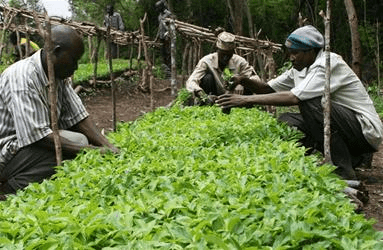
Project participants plant threatened indigenous and agroforestry species, contributing to biodiversity conservation and ecosystem services. This approach has various environmental benefits, offering food, medicines, and industrial resources while enhancing people's connection to nature. It also positively affects catchments by better regulating water flow and preventing soil erosion. So far this has impacted seven catchments, which promotes water purification, moisture retention, and reducing flood and landslide risks.
The project covers nine carefully chosen protected areas, based on their ecosystem services value and potential to involve communities in co-management. Forest communities are incentivized to plant trees on private lands to improve the connectivity between protected areas and are trained in small-scale fuelwood and timber production to ensure that existing ecosystems are being preserved. Currently, 79% of indigenous tree species are successfully planted.
Impact on the Environment
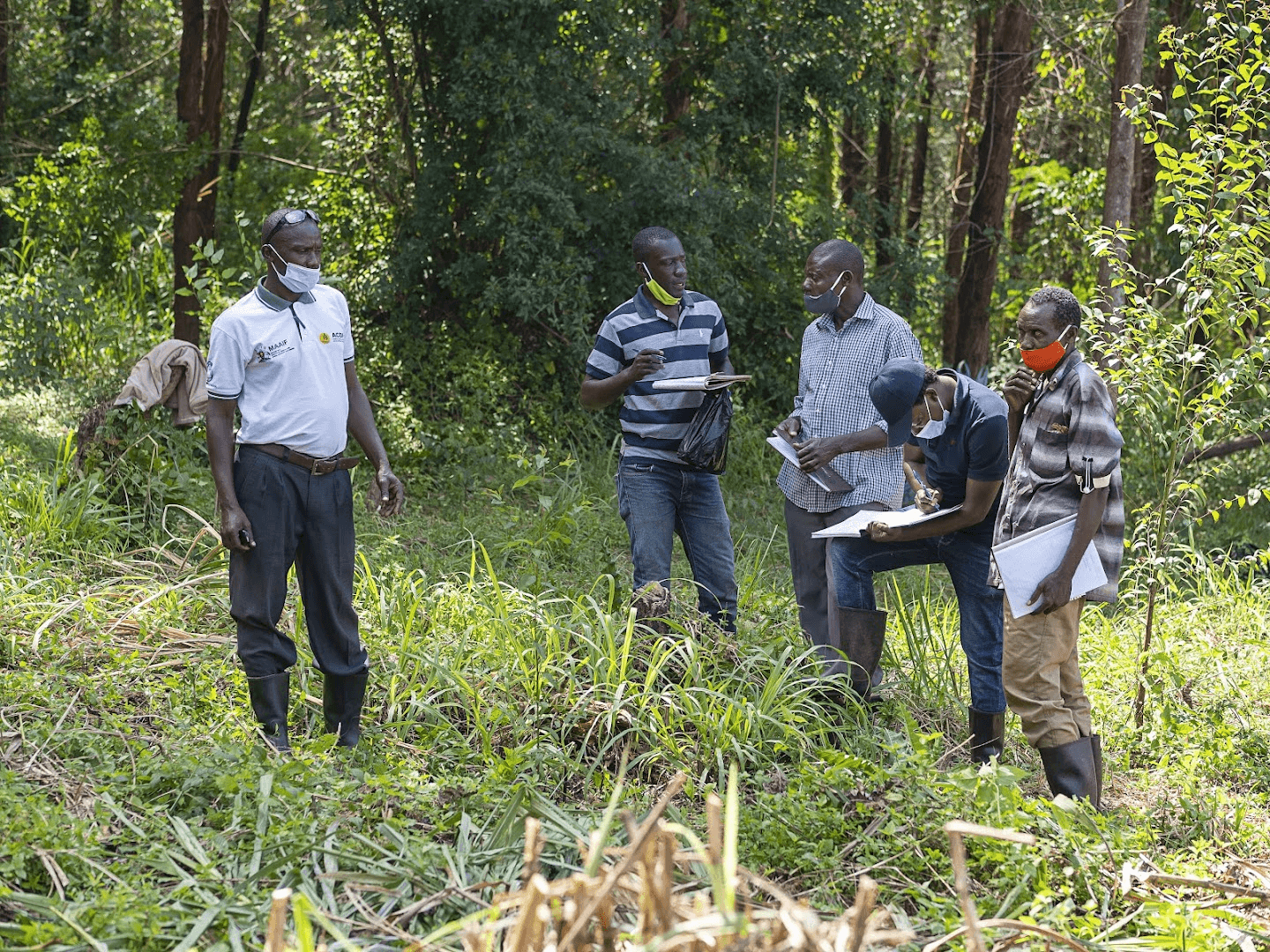
Operating across 5 districts, the project targets communities neighboring protected areas and areas of high ecological importance, such as national parks and forest reserves. Despite being protected, these areas face widespread and rapid degradation because of extensive encroachment of agricultural land. Communities are encouraged to protect and restore the forests through cost-effective methods like improved land management, tree planting, forest management, and assisted natural regeneration (ANR).
The project strategically selects planting sites in highly degraded areas with significant carbon sequestration potential. This includes the planting of indigenous species that reduce the pressure on existing forests. In terms of CO₂ sequestration, the project has already mobilized emissions reduction units exceeding one million tons and achieved a total emission reduction of 3,890,163 tonnes throughout its duration.
Carbon Impact
The Trees for Global Benefits (TGB) project is a longstanding cooperative carbon offsetting initiative, addressing the threat of deforestation in Uganda, driven by population growth and improved living standards. It employs carbon sequestration and ecosystem restoration through small-scale, farmer-led forestry and agroforestry practices, reducing pressure on natural resources in protected areas.
The project has demonstrated great performance over the years, including the support of more smallholder farmers with sustainable land-use practices, the expansion of new project communities, and the introduction of new tree-planting activities. The long-term payments for carbon uptake and agroforestry practices enhanced local communities their income stability as well as food and fuel security significantly.
Impact on Biodiveristy
Project participants plant threatened indigenous and agroforestry species, contributing to biodiversity conservation and ecosystem services. This approach has various environmental benefits, offering food, medicines, and industrial resources while enhancing people's connection to nature. It also positively affects catchments by better regulating water flow and preventing soil erosion. So far this has impacted seven catchments, which promotes water purification, moisture retention, and reducing flood and landslide risks.
The project covers nine carefully chosen protected areas, based on their ecosystem services value and potential to involve communities in co-management. Forest communities are incentivized to plant trees on private lands to improve the connectivity between protected areas and are trained in small-scale fuelwood and timber production to ensure that existing ecosystems are being preserved. Currently, 79% of indigenous tree species are successfully planted.
Impact on the Environment
Operating across 5 districts, the project targets communities neighboring protected areas and areas of high ecological importance, such as national parks and forest reserves. Despite being protected, these areas face widespread and rapid degradation because of extensive encroachment of agricultural land. Communities are encouraged to protect and restore the forests through cost-effective methods like improved land management, tree planting, forest management, and assisted natural regeneration (ANR).
The project strategically selects planting sites in highly degraded areas with significant carbon sequestration potential. This includes the planting of indigenous species that reduce the pressure on existing forests. In terms of CO₂ sequestration, the project has already mobilized emissions reduction units exceeding one million tons and achieved a total emission reduction of 3,890,163 tonnes throughout its duration.
Carbon Impact
The Trees for Global Benefits (TGB) project is a longstanding cooperative carbon offsetting initiative, addressing the threat of deforestation in Uganda, driven by population growth and improved living standards. It employs carbon sequestration and ecosystem restoration through small-scale, farmer-led forestry and agroforestry practices, reducing pressure on natural resources in protected areas.
The project has demonstrated great performance over the years, including the support of more smallholder farmers with sustainable land-use practices, the expansion of new project communities, and the introduction of new tree-planting activities. The long-term payments for carbon uptake and agroforestry practices enhanced local communities their income stability as well as food and fuel security significantly.
Impact on Biodiveristy
Project participants plant threatened indigenous and agroforestry species, contributing to biodiversity conservation and ecosystem services. This approach has various environmental benefits, offering food, medicines, and industrial resources while enhancing people's connection to nature. It also positively affects catchments by better regulating water flow and preventing soil erosion. So far this has impacted seven catchments, which promotes water purification, moisture retention, and reducing flood and landslide risks.
The project covers nine carefully chosen protected areas, based on their ecosystem services value and potential to involve communities in co-management. Forest communities are incentivized to plant trees on private lands to improve the connectivity between protected areas and are trained in small-scale fuelwood and timber production to ensure that existing ecosystems are being preserved. Currently, 79% of indigenous tree species are successfully planted.
Impact on the Environment
Operating across 5 districts, the project targets communities neighboring protected areas and areas of high ecological importance, such as national parks and forest reserves. Despite being protected, these areas face widespread and rapid degradation because of extensive encroachment of agricultural land. Communities are encouraged to protect and restore the forests through cost-effective methods like improved land management, tree planting, forest management, and assisted natural regeneration (ANR).
The project strategically selects planting sites in highly degraded areas with significant carbon sequestration potential. This includes the planting of indigenous species that reduce the pressure on existing forests. In terms of CO₂ sequestration, the project has already mobilized emissions reduction units exceeding one million tons and achieved a total emission reduction of 3,890,163 tonnes throughout its duration.
Project Partner

This project is verified by Plan Vivo. Plan Vivo was established in 2007. The standard has the goal to restore and protect environments so to help protect communities against climate change and provide a variety of sustainable development benefits. Plan Vivo is internationally recognised as one of the leading standards for community land-use projects. Certification under Plan Vivo demonstrates a that a project is sustainable over the long-term, truly benefits people's livelihoods and provides vital climate and environmental benefits.
Gallery
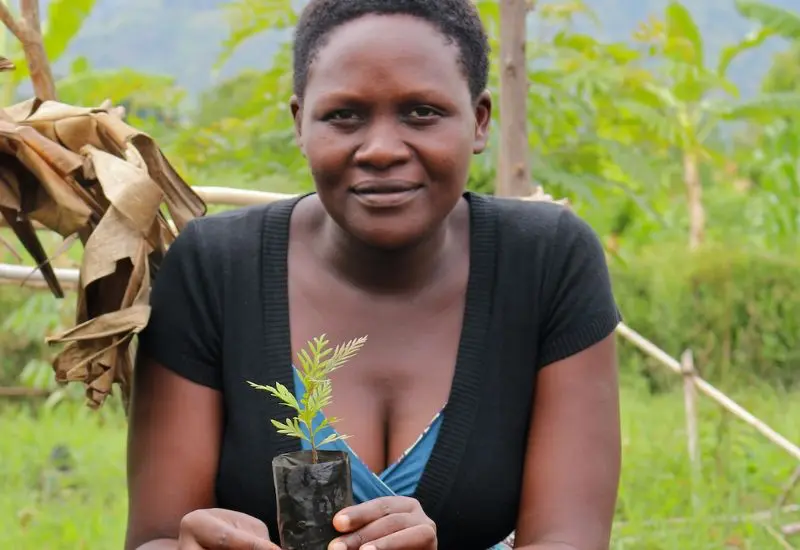
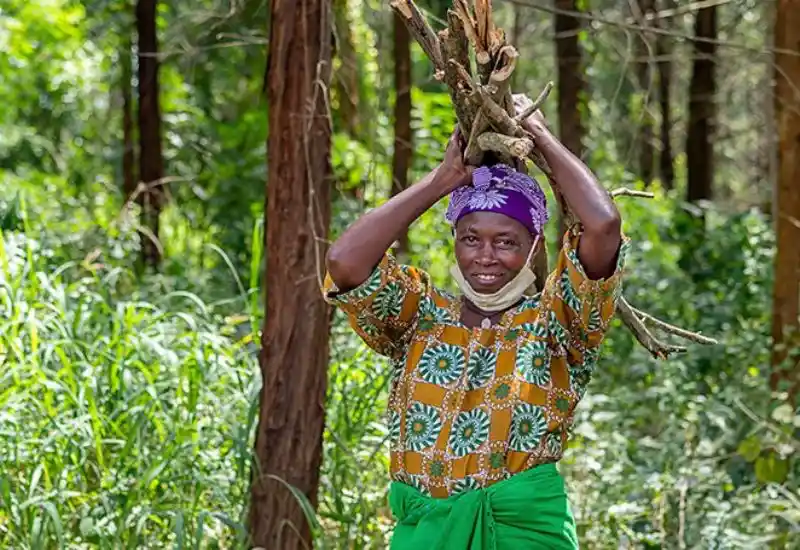
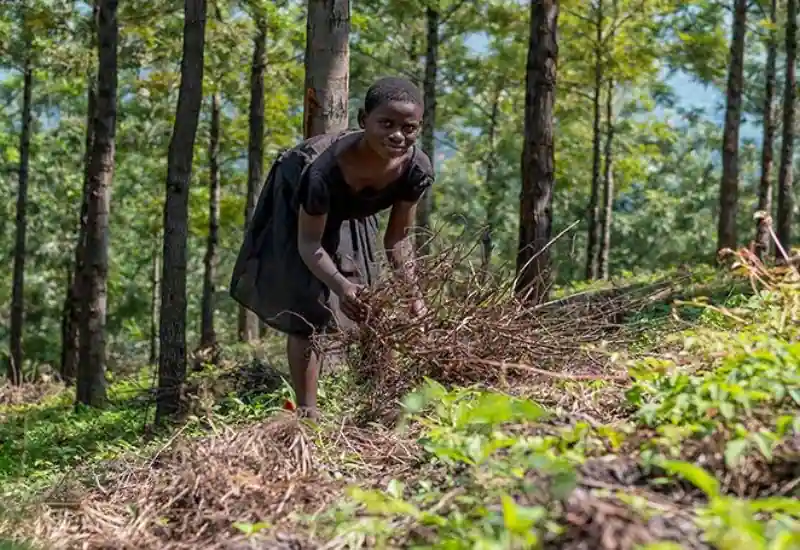
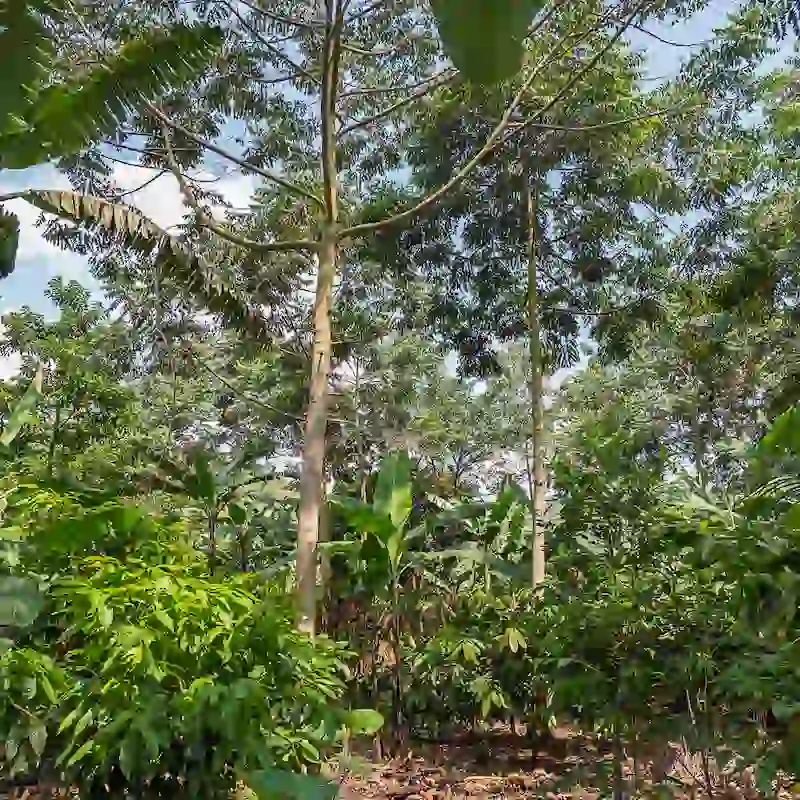
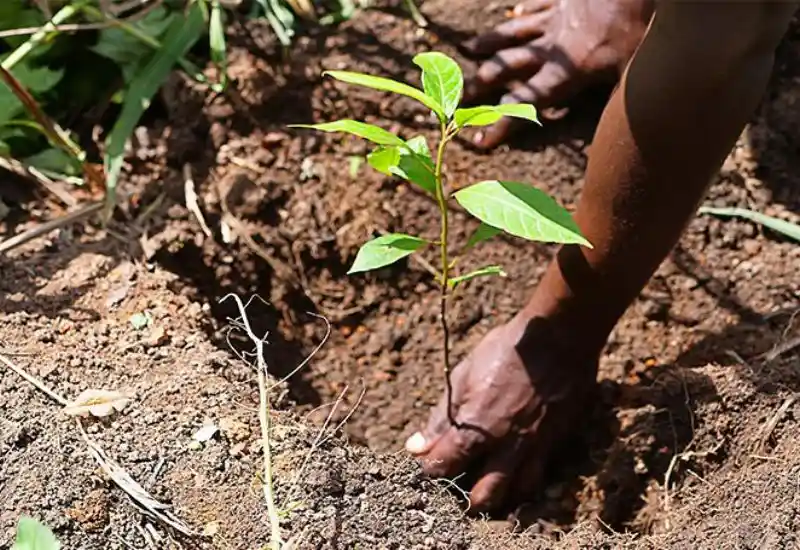
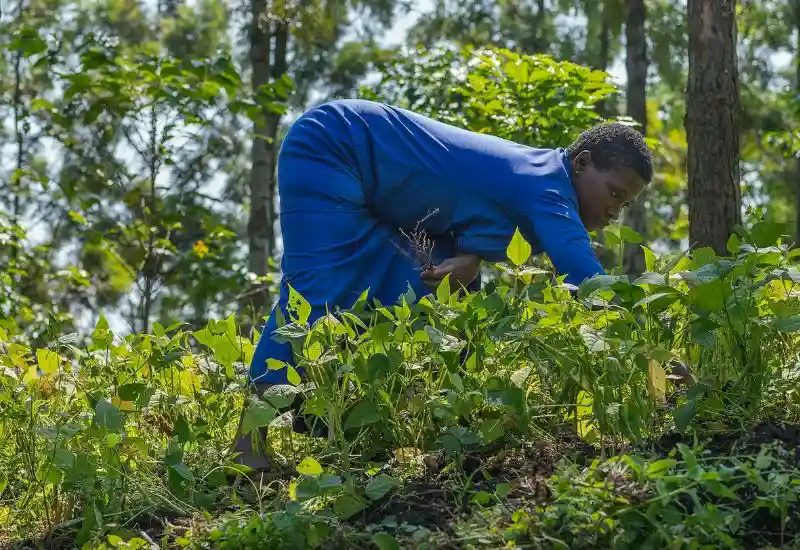
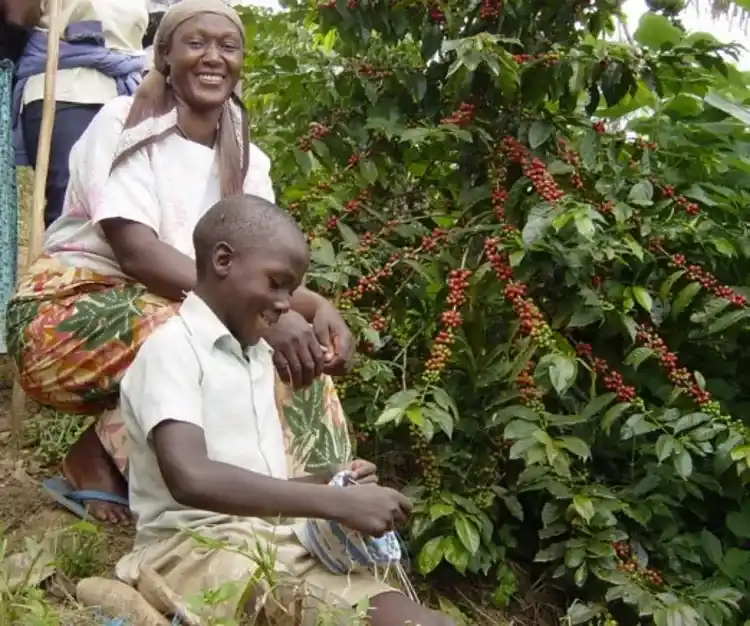
Gallery
Location
Albertine Rift, Mount Elgon & Mount Rwenzori, Uganda
Albertine Rift, Mount Elgon & Mount Rwenzori, Uganda
United Nations' Sustainable Development Goals

Strengthen land tenure rights among local community. Community Carbon fund for development projects.

Partner with USAID to deliver HIV/AIDS initiatives to rural communities.

Solvatten Solar Safe Jerry Can initiative to provide safe drinking water and battle water borne diseases.

Access to subsidised energy efficient cook stoves by registering to UN program.

12,000+ smallholder households with PES agreements

UNDP partnership top help communities adapt to climate change (e.g. watershed protection). By the end of 2021, TGB removed just over 2 million tonnes of CO2 with over 11,000 farmers.

Over 2 million trees planted to date, using threatened native tree species.

Partnership with IUCN to increase capacity and influence of local NGO’s in promoting climate resilience.
United Nations' Sustainable Development Goals
Strengthen land tenure rights among local community. Community Carbon fund for development projects.
Partner with USAID to deliver HIV/AIDS initiatives to rural communities.
Solvatten Solar Safe Jerry Can initiative to provide safe drinking water and battle water borne diseases.
Access to subsidised energy efficient cook stoves by registering to UN program.
12,000+ smallholder households with PES agreements
UNDP partnership top help communities adapt to climate change (e.g. watershed protection). By the end of 2021, TGB removed just over 2 million tonnes of CO2 with over 11,000 farmers.
Over 2 million trees planted to date, using threatened native tree species.
Partnership with IUCN to increase capacity and influence of local NGO’s in promoting climate resilience.
Regreener's Rating
The farmer-led tree planting project in Uganda offers a practical, scalable solution to combine carbon sequestration with rural livelihood improvement, embedding tree-growing into smallholder farming systems rather than treating it as a standalone activity. By focusing on agroforestry species that provide timber, fruit, and fodder, the initiative ensures economic incentives align with climate goals, reducing deforestation pressure while enhancing soil health and resilience. Its community-driven approach increases adoption rates, but long-term success will depend on rigorous carbon accounting, stable financing mechanisms, and secure land tenure - key factors for maintaining both ecological and social benefits. For carbon markets, this model presents a compelling case for investing in smallholder-led restoration, provided that monitoring and revenue-sharing are robust enough to guarantee credibility and durability.
1
1
2
2
3
3
4
4
5
5
0
1
2
3
4
4.9
5
Evaluates the overall project design, methodology, goals and set-up.
Evaluates the overall project design, methodology, goals and set-up.
General Project Details
General Project Details
General Project Details
4.4
4.4
Evaluates actual, verifiable GHG reductions (CO₂-equivalent tonnage, permanence).
Evaluates actual, verifiable GHG reductions (CO₂-equivalent tonnage, permanence).
Carbon Impact
Carbon Impact
Carbon Impact
4.3
4.3
Assesses the positive impact on biodiversity, local communities, and ecosystem resilience.
Assesses the positive impact on biodiversity, local communities, and ecosystem resilience.
Co-benefits
Co-benefits
Co-benefits
4.5
4.5
Evaluates project accountability, monitoring accuracy, and the reliability of reported outcomes.
Evaluates project accountability, monitoring accuracy, and the reliability of reported outcomes.
Reporting & dMRV
Reporting & dMRV
Reporting & dMRV
4.3
4.3
Reviews alignment with standards, market credibility, and reputation protection.
Reviews alignment with standards, market credibility, and reputation protection.
Compliance & Reputation
Compliance & Reputation
Compliance & Reputation
4.4
4.4

Start supporting this high-quality project


Enter your details and out team will reach out about next steps.
Start supporting this high-quality project
Enter your details and out team will reach out about next steps.