have us call you right now.
Ghanaian Carboneers
Ghanaian Carboneers
Upper West and Volta regions, Ghana
4.2/5.0
4.2/5.0
C-sink
C-sink
Oxford Category:
5
5
Buyer Protection
1,000
Farming communities


50%
Women involved
30,000
tCO2e removed
5
Ghanaian provinces
208,000
Tons impact first 5 years
Overview
Carbon impact
Climate change strikes hard upon the farming communities in Ghana, where unpredictable rainfall, droughts, and extreme temperatures make agriculture increasingly difficult. The Ghanaian Carboneers project addresses these challenges by using biochar as both a global climate solution and a local adaptation strategy.
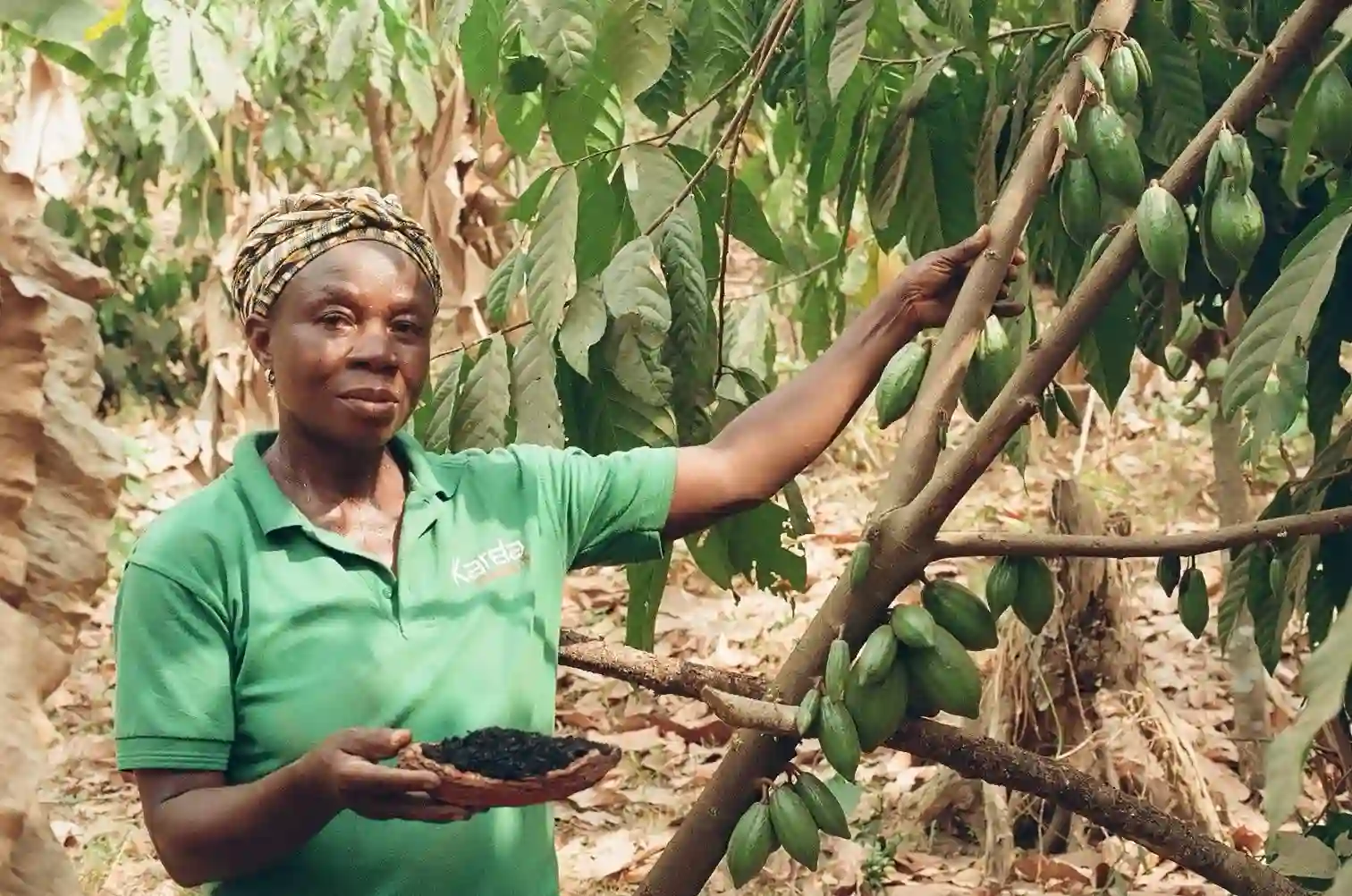
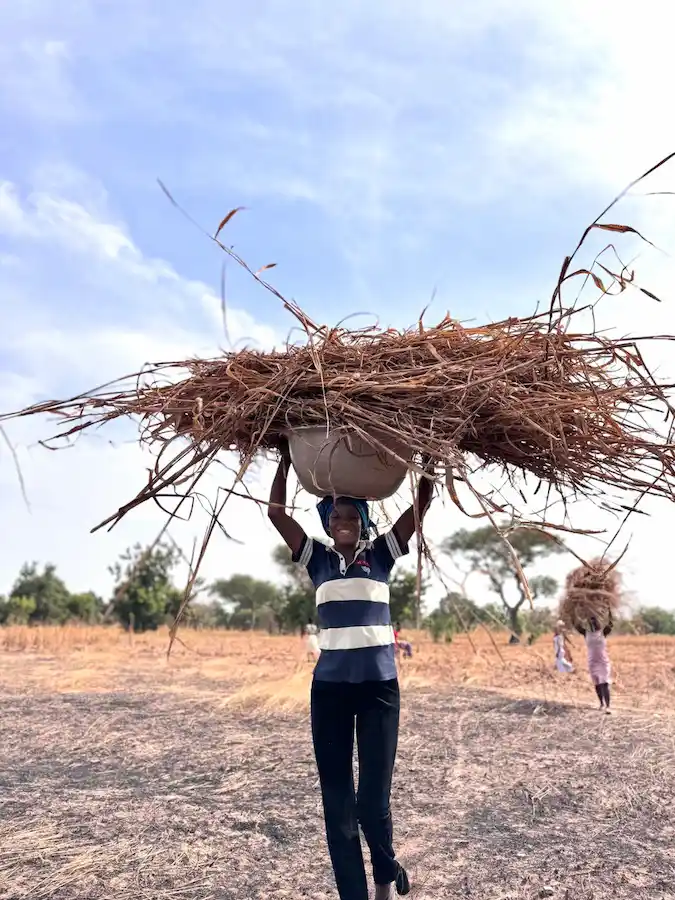
The project engages 128 smallholder farmers, referred to as Artisan Pro Biochar Producers, to convert agricultural residues such as corn stalks, peanut shells, millet stalks, and cacao husks into biochar. Previously, these residues were burned or left to decompose, releasing significant amounts of CO₂ and methane into the atmosphere. By shifting to biochar production, the project creates a stable, long-term carbon sink while preventing harmful emissions. This initiative has the capacity to sequester up to 50,000 tons of CO₂ annually, making it a scalable and impactful solution to climate change. Over the first five years, the project aims to sequester a total of 208,000 tons of CO₂, averaging 41,000 tons annually. The dual impact of carbon removal and emission prevention clearly demonstrates the project’s effectiveness in delivering substantial climate benefits.

Impact on local communities
Beyond its climate benefits, the project introduces a sustainable income source for smallholder farmers by establishing a local market for biochar. Previously, farmers lacked the financial incentive and knowledge to adopt biochar production. Through comprehensive training and fair compensation, this project provides farmers with the tools and motivation to produce biochar while creating significant carbon sinks.
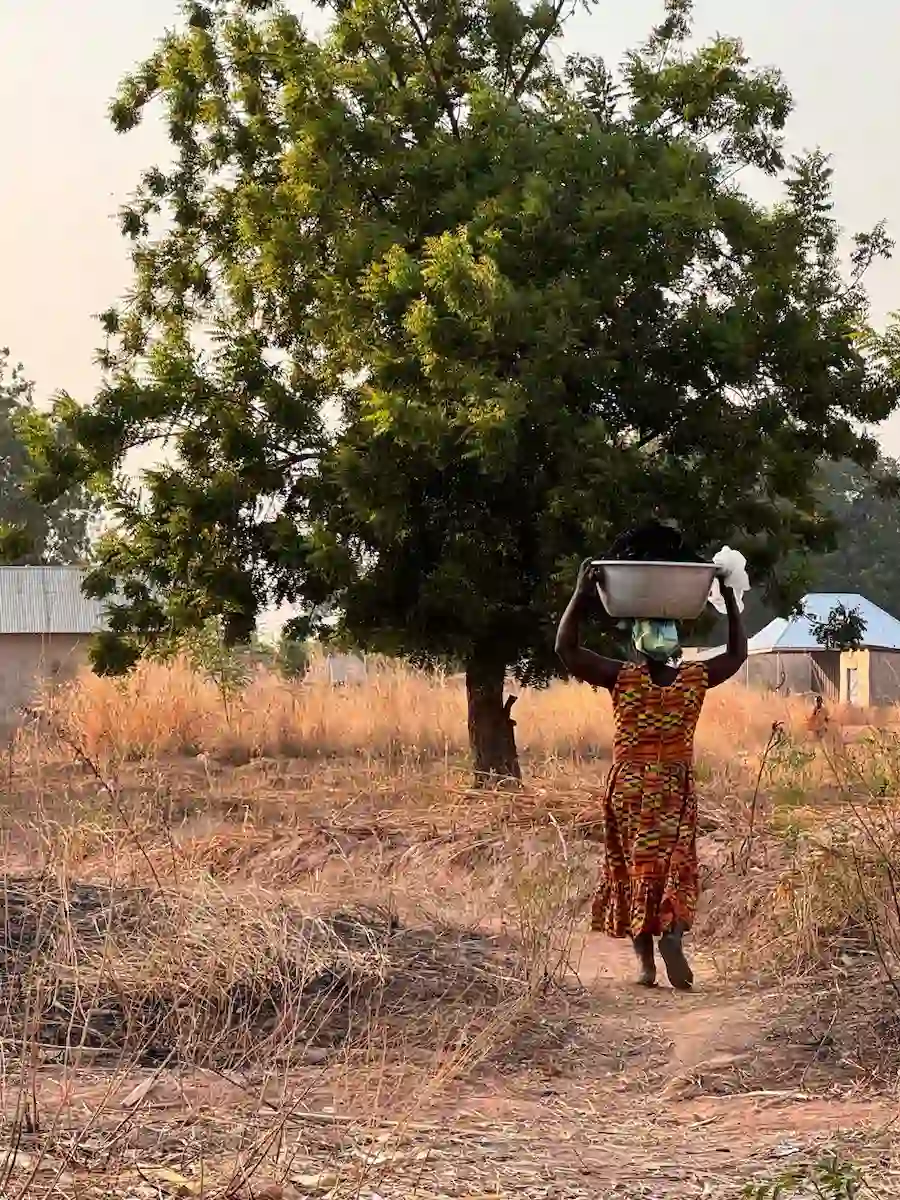
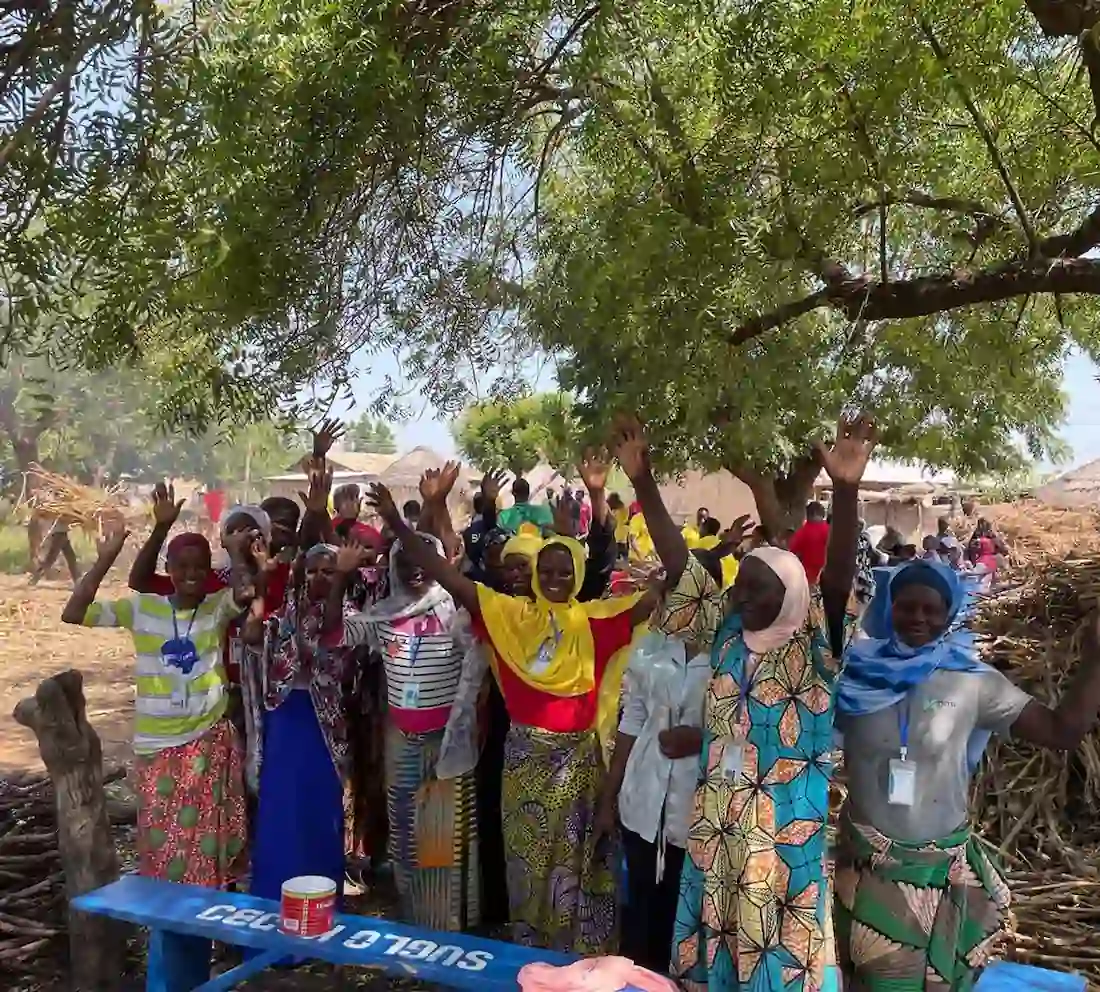
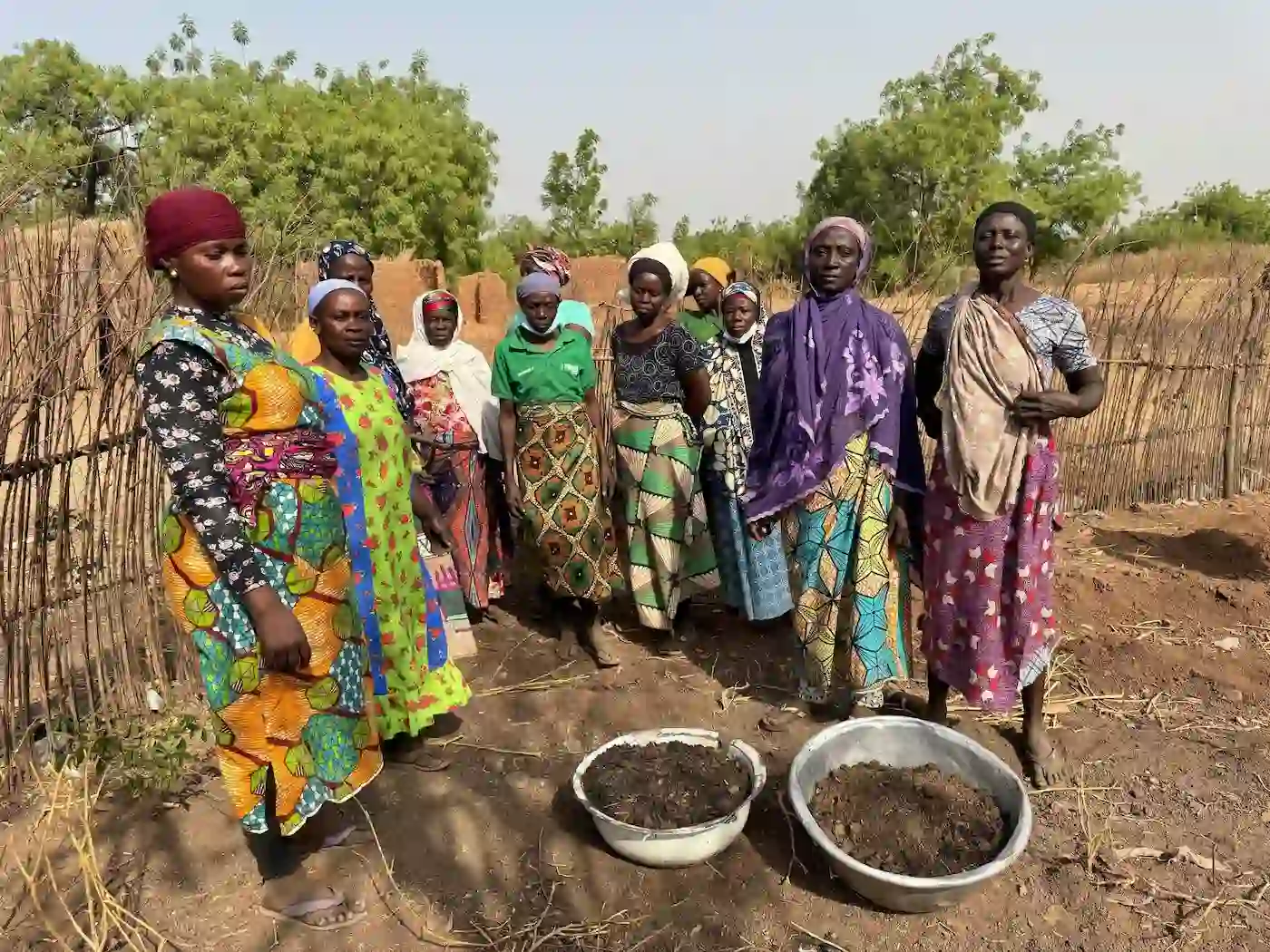
Lastly, the project strongly promotes gender equality and youth empowerment. At least 50% of participants are women, and another 50% are youth, creating opportunities for underrepresented groups in the farming sector. The project ensures that women-led community groups are actively involved. These groups collectively manage financial accounts for biochar production payments and democratically decide how to invest their earnings. Many women plan to fund labor-saving technologies like groundnut shelling machines with partial support from the project.

Overview
Carbon impact
Climate change strikes hard upon the farming communities in Ghana, where unpredictable rainfall, droughts, and extreme temperatures make agriculture increasingly difficult. The Ghanaian Carboneers project addresses these challenges by using biochar as both a global climate solution and a local adaptation strategy.
The project engages 128 smallholder farmers, referred to as Artisan Pro Biochar Producers, to convert agricultural residues such as corn stalks, peanut shells, millet stalks, and cacao husks into biochar. Previously, these residues were burned or left to decompose, releasing significant amounts of CO₂ and methane into the atmosphere. By shifting to biochar production, the project creates a stable, long-term carbon sink while preventing harmful emissions. This initiative has the capacity to sequester up to 50,000 tons of CO₂ annually, making it a scalable and impactful solution to climate change. Over the first five years, the project aims to sequester a total of 208,000 tons of CO₂, averaging 41,000 tons annually. The dual impact of carbon removal and emission prevention clearly demonstrates the project’s effectiveness in delivering substantial climate benefits.

Impact on local communities
Beyond its climate benefits, the project introduces a sustainable income source for smallholder farmers by establishing a local market for biochar. Previously, farmers lacked the financial incentive and knowledge to adopt biochar production. Through comprehensive training and fair compensation, this project provides farmers with the tools and motivation to produce biochar while creating significant carbon sinks.
Lastly, the project strongly promotes gender equality and youth empowerment. At least 50% of participants are women, and another 50% are youth, creating opportunities for underrepresented groups in the farming sector. The project ensures that women-led community groups are actively involved. These groups collectively manage financial accounts for biochar production payments and democratically decide how to invest their earnings. Many women plan to fund labor-saving technologies like groundnut shelling machines with partial support from the project.

Overview
Carbon impact
Climate change strikes hard upon the farming communities in Ghana, where unpredictable rainfall, droughts, and extreme temperatures make agriculture increasingly difficult. The Ghanaian Carboneers project addresses these challenges by using biochar as both a global climate solution and a local adaptation strategy.
The project engages 128 smallholder farmers, referred to as Artisan Pro Biochar Producers, to convert agricultural residues such as corn stalks, peanut shells, millet stalks, and cacao husks into biochar. Previously, these residues were burned or left to decompose, releasing significant amounts of CO₂ and methane into the atmosphere. By shifting to biochar production, the project creates a stable, long-term carbon sink while preventing harmful emissions. This initiative has the capacity to sequester up to 50,000 tons of CO₂ annually, making it a scalable and impactful solution to climate change. Over the first five years, the project aims to sequester a total of 208,000 tons of CO₂, averaging 41,000 tons annually. The dual impact of carbon removal and emission prevention clearly demonstrates the project’s effectiveness in delivering substantial climate benefits.

Impact on local communities
Beyond its climate benefits, the project introduces a sustainable income source for smallholder farmers by establishing a local market for biochar. Previously, farmers lacked the financial incentive and knowledge to adopt biochar production. Through comprehensive training and fair compensation, this project provides farmers with the tools and motivation to produce biochar while creating significant carbon sinks.
Lastly, the project strongly promotes gender equality and youth empowerment. At least 50% of participants are women, and another 50% are youth, creating opportunities for underrepresented groups in the farming sector. The project ensures that women-led community groups are actively involved. These groups collectively manage financial accounts for biochar production payments and democratically decide how to invest their earnings. Many women plan to fund labor-saving technologies like groundnut shelling machines with partial support from the project.

Overview
Carbon impact
Climate change strikes hard upon the farming communities in Ghana, where unpredictable rainfall, droughts, and extreme temperatures make agriculture increasingly difficult. The Ghanaian Carboneers project addresses these challenges by using biochar as both a global climate solution and a local adaptation strategy.
The project engages 128 smallholder farmers, referred to as Artisan Pro Biochar Producers, to convert agricultural residues such as corn stalks, peanut shells, millet stalks, and cacao husks into biochar. Previously, these residues were burned or left to decompose, releasing significant amounts of CO₂ and methane into the atmosphere. By shifting to biochar production, the project creates a stable, long-term carbon sink while preventing harmful emissions. This initiative has the capacity to sequester up to 50,000 tons of CO₂ annually, making it a scalable and impactful solution to climate change. Over the first five years, the project aims to sequester a total of 208,000 tons of CO₂, averaging 41,000 tons annually. The dual impact of carbon removal and emission prevention clearly demonstrates the project’s effectiveness in delivering substantial climate benefits.

Impact on local communities
Beyond its climate benefits, the project introduces a sustainable income source for smallholder farmers by establishing a local market for biochar. Previously, farmers lacked the financial incentive and knowledge to adopt biochar production. Through comprehensive training and fair compensation, this project provides farmers with the tools and motivation to produce biochar while creating significant carbon sinks.
Lastly, the project strongly promotes gender equality and youth empowerment. At least 50% of participants are women, and another 50% are youth, creating opportunities for underrepresented groups in the farming sector. The project ensures that women-led community groups are actively involved. These groups collectively manage financial accounts for biochar production payments and democratically decide how to invest their earnings. Many women plan to fund labor-saving technologies like groundnut shelling machines with partial support from the project.

What is Biochar
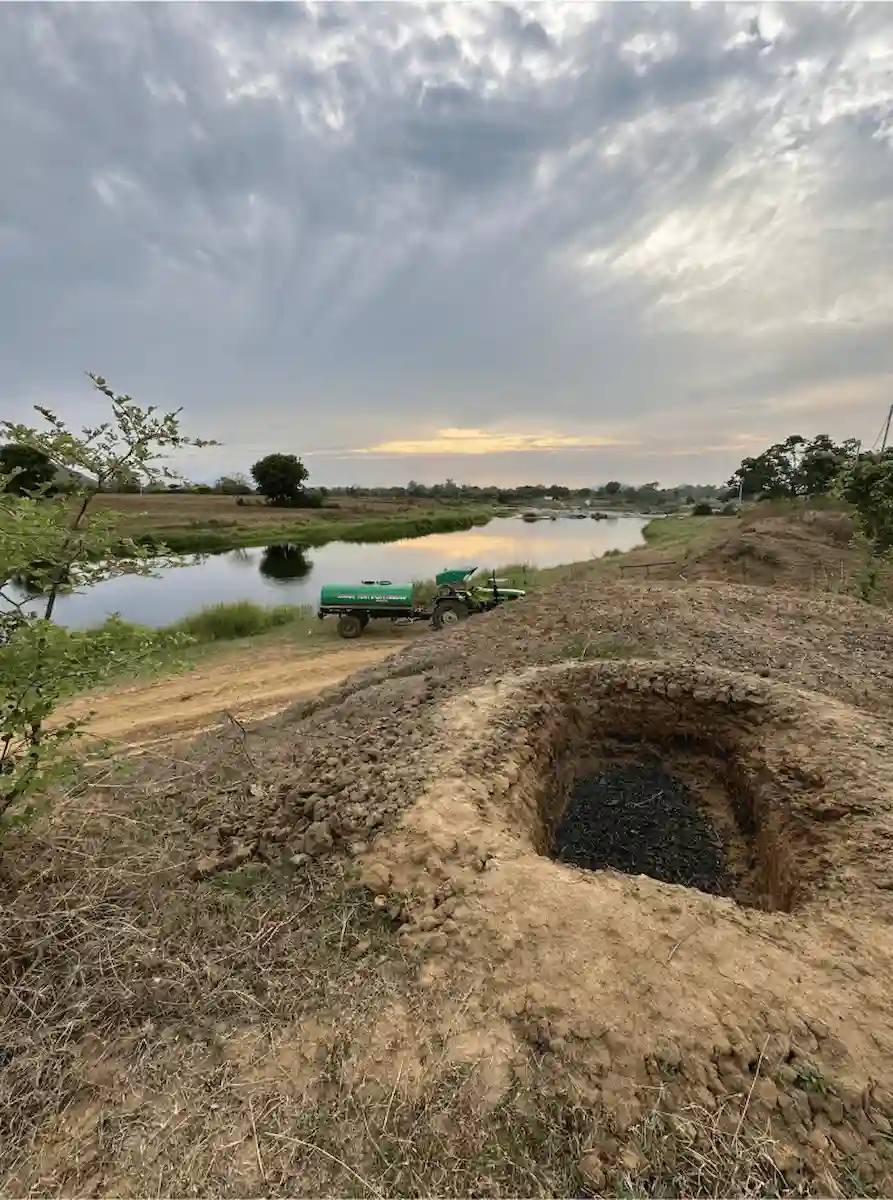
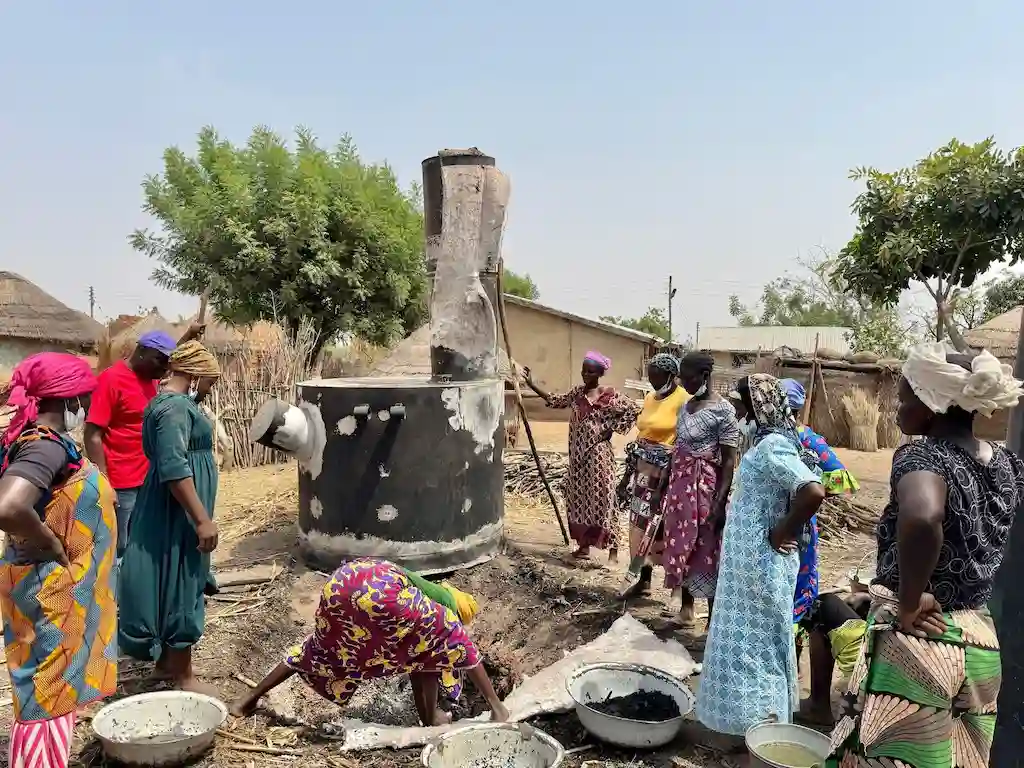
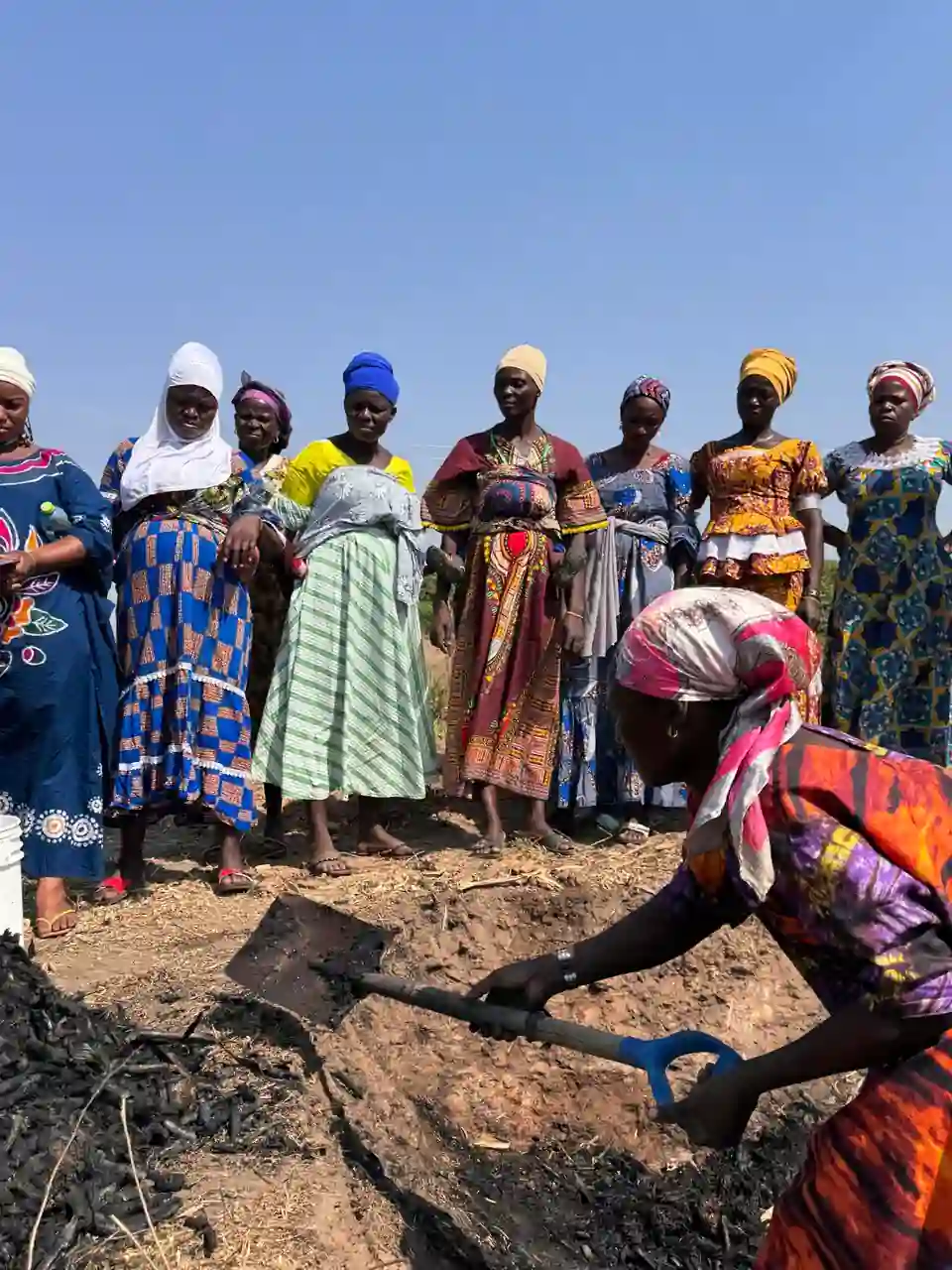
This innovative project, developed by Carboneers and Beyond Karbon, collaborates with smallholder farmers in Ghana's Upper West and Volta regions to convert agricultural waste into biochar. Using a simple and efficient technique called soil pit flame curtain pyrolysis, the agricultural residues, such as corn stalks and cacao husks, are converted into biochar. This biochar is enriched with compost or manure and applied to farmlands, improving soil fertility and productivity. By doing so, the project establishes long-term carbon storage that can last up to 1,000 years. Without this intervention, such agricultural waste would typically be burned or left to decay, releasing harmful CO₂ and methane. The initiative not only mitigates GHG emissions but also introduces a sustainable model for carbon storage and climate-resilient farming.
Certification Standard
Carbon Standards International develops standards and system solutions for climate-positive agriculture, forestry, and industry, and upstream and downstream sectors. Carbon Standards International offers a wide range of services with quality, reliability, and customer benefit at their heart, such as the Global Artisan C-Sink Standard. The standard is focused on producing, processing, and applying biochar in agriculture in low, lower, middle, and higher-middle-income countries.
All aspects of the biochar’s quality are monitored and documented. Beside this, C-sink credits can be generated by using the biochar for agricultural purposes. This offers the possibility to sell CO2 certificates via existing trading platforms and contribute to the income of farmers.
Gallery


Gallery


Gallery


Gallery


Location
Upper West and Volta regions, Ghana
United Nations' Sustainable Development Goals

Farmers are well paid for the production of biochar with money derived from carbon credit sales. This is a second source of income besides regular farming. The produced biochar is applied on the fields of the farmer. Therefore, farmers also become less dependent on the use of chemical fertilizers and pesticides, of which the price is increasing steeply.

Biochar is proven to increase crop yield, the nutritional value and resistance to insects and drought on farm fields for own food supply.

Preventing fires from agricultural residues helps to reduce dense smoke clouds which are detrimental for the health of the farmers. Also, biochar captures and holds heavy metals and other toxic elements, which thus do not end up in the edible parts of the plant but are kept isolated in the ground.

By employing women in all levels in the biochar projects, from producers to managers, women are empowered to take positions of leadership, and it offers them a chance to earn money for themselves.

Increase of yields for own production provides an extra source of income growth for the whole region, leading to actual income growth. This results into extra jobs and economic growth of Ghana's Upper West and Volta regions.

Burning agricultural residues is detrimental for the climate and a waste of natural goods. With production of biochar the earlier regarded waste is transformed into a soil enhancer for the farm.

Biochar production stabilizes carbon in the soil for at least a hundred to a thousand years. Besides the direct carbon sink, biochar also has a measurable positive influence on microbial life in the soil and thus the organic carbon content.

Agroforestry through tree planting creates a more biodiverse ecosystem instead of the present rice monoculture. Biochar is also applied in farming soils, where it helps fight desertification, makes arid areas fertile again and increases micro-biological life in the soil.

The Ghananian Carboneers project has developed crucial partnerships with multiple NGO's, Ghanaian companies and hundreds of farmers for biochar production, carbon sequestration, and climate change mitigation effects on tropical agriculture.
United Nations' Sustainable Development Goals

Farmers are well paid for the production of biochar with money derived from carbon credit sales. This is a second source of income besides regular farming. The produced biochar is applied on the fields of the farmer. Therefore, farmers also become less dependent on the use of chemical fertilizers and pesticides, of which the price is increasing steeply.

Biochar is proven to increase crop yield, the nutritional value and resistance to insects and drought on farm fields for own food supply.

Preventing fires from agricultural residues helps to reduce dense smoke clouds which are detrimental for the health of the farmers. Also, biochar captures and holds heavy metals and other toxic elements, which thus do not end up in the edible parts of the plant but are kept isolated in the ground.

By employing women in all levels in the biochar projects, from producers to managers, women are empowered to take positions of leadership, and it offers them a chance to earn money for themselves.

Increase of yields for own production provides an extra source of income growth for the whole region, leading to actual income growth. This results into extra jobs and economic growth of Ghana's Upper West and Volta regions.

Burning agricultural residues is detrimental for the climate and a waste of natural goods. With production of biochar the earlier regarded waste is transformed into a soil enhancer for the farm.

Biochar production stabilizes carbon in the soil for at least a hundred to a thousand years. Besides the direct carbon sink, biochar also has a measurable positive influence on microbial life in the soil and thus the organic carbon content.

Agroforestry through tree planting creates a more biodiverse ecosystem instead of the present rice monoculture. Biochar is also applied in farming soils, where it helps fight desertification, makes arid areas fertile again and increases micro-biological life in the soil.

The Ghananian Carboneers project has developed crucial partnerships with multiple NGO's, Ghanaian companies and hundreds of farmers for biochar production, carbon sequestration, and climate change mitigation effects on tropical agriculture.
United Nations' Sustainable Development Goals

Farmers are well paid for the production of biochar with money derived from carbon credit sales. This is a second source of income besides regular farming. The produced biochar is applied on the fields of the farmer. Therefore, farmers also become less dependent on the use of chemical fertilizers and pesticides, of which the price is increasing steeply.

Biochar is proven to increase crop yield, the nutritional value and resistance to insects and drought on farm fields for own food supply.

Preventing fires from agricultural residues helps to reduce dense smoke clouds which are detrimental for the health of the farmers. Also, biochar captures and holds heavy metals and other toxic elements, which thus do not end up in the edible parts of the plant but are kept isolated in the ground.

By employing women in all levels in the biochar projects, from producers to managers, women are empowered to take positions of leadership, and it offers them a chance to earn money for themselves.

Increase of yields for own production provides an extra source of income growth for the whole region, leading to actual income growth. This results into extra jobs and economic growth of Ghana's Upper West and Volta regions.

Burning agricultural residues is detrimental for the climate and a waste of natural goods. With production of biochar the earlier regarded waste is transformed into a soil enhancer for the farm.

Biochar production stabilizes carbon in the soil for at least a hundred to a thousand years. Besides the direct carbon sink, biochar also has a measurable positive influence on microbial life in the soil and thus the organic carbon content.

Agroforestry through tree planting creates a more biodiverse ecosystem instead of the present rice monoculture. Biochar is also applied in farming soils, where it helps fight desertification, makes arid areas fertile again and increases micro-biological life in the soil.

The Ghananian Carboneers project has developed crucial partnerships with multiple NGO's, Ghanaian companies and hundreds of farmers for biochar production, carbon sequestration, and climate change mitigation effects on tropical agriculture.
United Nations' Sustainable Development Goals

Farmers are well paid for the production of biochar with money derived from carbon credit sales. This is a second source of income besides regular farming. The produced biochar is applied on the fields of the farmer. Therefore, farmers also become less dependent on the use of chemical fertilizers and pesticides, of which the price is increasing steeply.

Biochar is proven to increase crop yield, the nutritional value and resistance to insects and drought on farm fields for own food supply.

Preventing fires from agricultural residues helps to reduce dense smoke clouds which are detrimental for the health of the farmers. Also, biochar captures and holds heavy metals and other toxic elements, which thus do not end up in the edible parts of the plant but are kept isolated in the ground.

By employing women in all levels in the biochar projects, from producers to managers, women are empowered to take positions of leadership, and it offers them a chance to earn money for themselves.

Increase of yields for own production provides an extra source of income growth for the whole region, leading to actual income growth. This results into extra jobs and economic growth of Ghana's Upper West and Volta regions.

Burning agricultural residues is detrimental for the climate and a waste of natural goods. With production of biochar the earlier regarded waste is transformed into a soil enhancer for the farm.

Biochar production stabilizes carbon in the soil for at least a hundred to a thousand years. Besides the direct carbon sink, biochar also has a measurable positive influence on microbial life in the soil and thus the organic carbon content.

Agroforestry through tree planting creates a more biodiverse ecosystem instead of the present rice monoculture. Biochar is also applied in farming soils, where it helps fight desertification, makes arid areas fertile again and increases micro-biological life in the soil.

The Ghananian Carboneers project has developed crucial partnerships with multiple NGO's, Ghanaian companies and hundreds of farmers for biochar production, carbon sequestration, and climate change mitigation effects on tropical agriculture.
Regreener's Rating
Carboneers’ biochar project in Ghana stands out as a rare example of how carbon removal can be both technically robust and socially transformative. What makes this initiative compelling isn’t just its ability to turn agricultural waste into a durable carbon sink - it’s the way it redefines the relationship between climate action and rural development. Too many carbon projects treat communities as passive beneficiaries; Carboneers integrates them as partners, ensuring that the value created flows back to the farmers who make it possible. The project’s strength lies in its holistic design: by embedding rigorous monitoring, independent verification, and inclusive revenue-sharing, it avoids the pitfalls of greenwashing while delivering real agronomic and economic benefits. Biochar isn’t just a carbon solution- it’s a soil regeneration tool, a livelihood enhancer, and a model for how carbon finance can drive equitable development. For buyers tired of empty offset promises, this is what high-integrity climate action looks like: transparent, scalable, and rooted in local needs.
1
1
2
2
3
3
4
4
5
5
0
1
2
3
4
4.9
5
Evaluates the overall project design, methodology, goals and set-up.
General Project Details
4.3
4.3
Evaluates actual, verifiable GHG reductions (CO₂-equivalent tonnage, permanence).
Carbon Impact
Carbon Impact
Carbon Impact
4.0
4.0
Assesses the positive impact on biodiversity, local communities, and ecosystem resilience.
Co-benefits
Co-benefits
Co-benefits
4.3
4.3
Evaluates project accountability, monitoring accuracy, and the reliability of reported outcomes.
Reporting & dMRV
Reporting & dMRV
Reporting & dMRV
4.2
4.2
Reviews alignment with standards, market credibility, and reputation protection.
Compliance & Reputation
4.3
4.3
Start supporting this high-quality project
Enter your details and out team will reach out about next steps.
Start supporting this high-quality project
Enter your details and out team will reach out about next steps.
Start supporting this high-quality project
Enter your details and out team will reach out about next steps.