
have us call you right now.
" width="512px"><path d="M 0 512 L 0 0 L 512 0 L 512 512 Z" fill="transparent" height="512px" id="qkQIaCALS" width="512px"/><path d="M 0 22.26 C 36.171 119.744 130.006 189.217 240.077 189.217 C 350.148 189.217 443.983 119.744 480.154 22.26 L 240.077 0 Z" fill="rgb(255, 218, 68)" height="189.21699999999998px" id="KQ4sxgSrK" transform="translate(15.923 322.783)" width="480.1539px"/><path d="M 240.077 0 C 130.006 0 36.171 69.472 0 166.957 L 240.077 189.217 L 480.154 166.956 C 443.983 69.472 350.148 0 240.077 0 Z" fill="rgb(0, 0, 0)" height="189.217px" id="xtqkHHrcu" transform="translate(15.923 0)" width="480.1539px"/><path d="M 15.923 0 C 5.633 27.733 0 57.729 0 89.043 C 0 120.357 5.633 150.353 15.923 178.086 L 496.078 178.086 C 506.368 150.353 512 120.357 512 89.043 C 512 57.729 506.368 27.733 496.077 0 Z" fill="rgb(216, 0, 39)" height="178.086px" id="NV4eVgrWy" transform="translate(0 166.957)" width="512px"/></g></svg>)
Oxford Category:
Buyer Protection

5,000 tCO2e
removed annually

10,000 years
of carbon durability

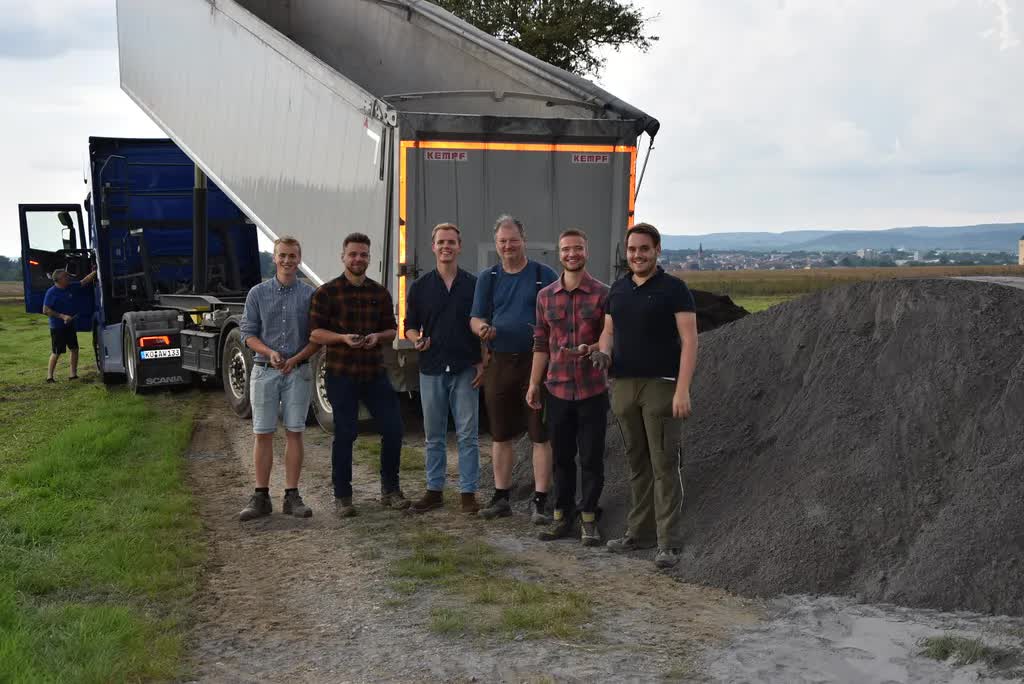
22,854 tons of basalt
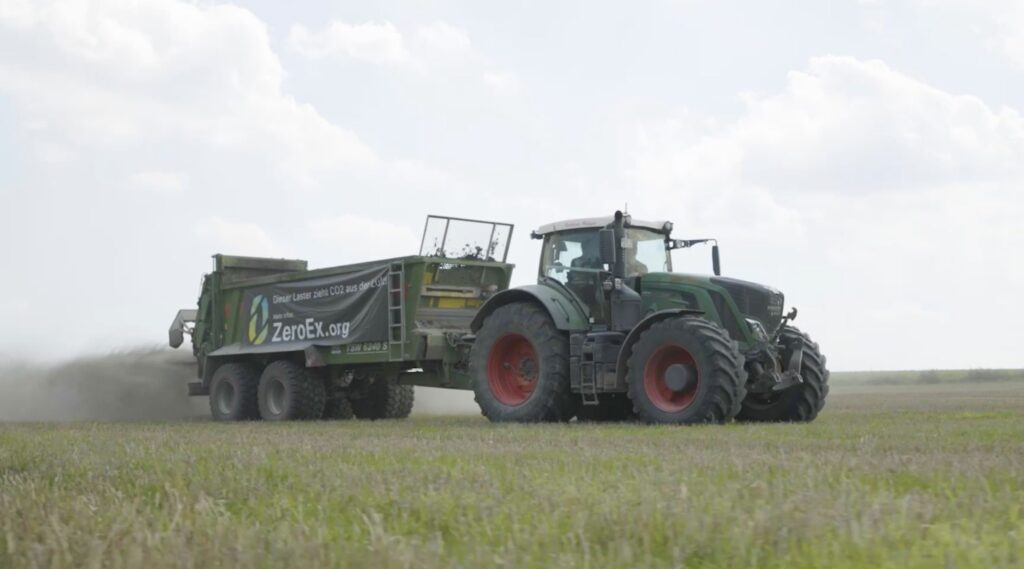
spread annually

100+
quarries analysed

18
farmers
What is Enhanced Rock Weathering?
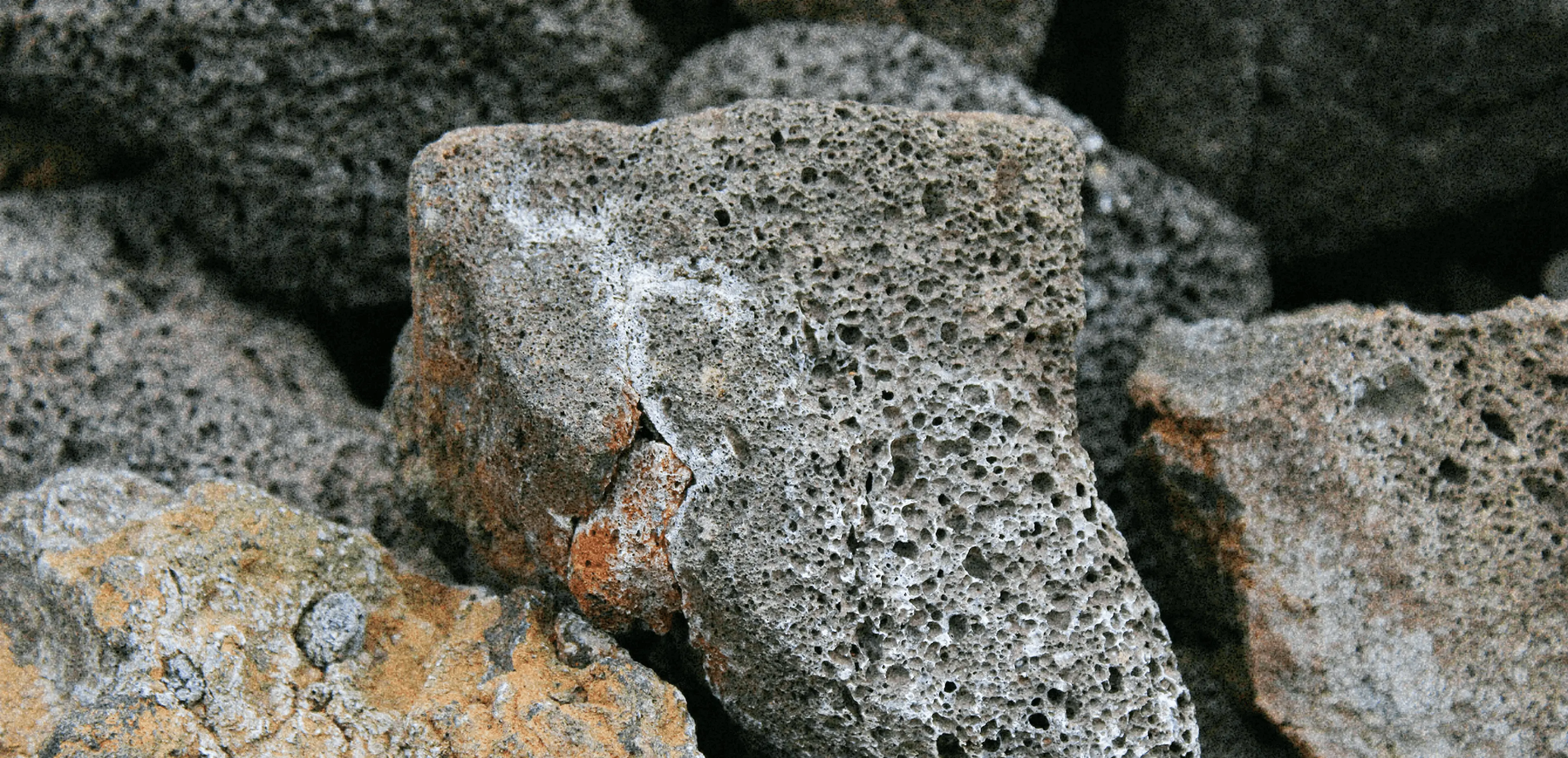
Enhanced Rock Weathering (ERW) is a natural process accelerated by human intervention to remove carbon dioxide (CO2) from the atmosphere and store it long-term. When certain types of rocks, such as basalt, are exposed to air and water, they undergo a chemical reaction called weathering. During this process, CO2 from the atmosphere reacts with the minerals in the rock, forming bicarbonate ions that eventually make their way to the ocean, where they are stored for tens of thousands of years.
ERW projects speeds up this natural process by spreading finely crushed basalt or similar - a byproduct of local quarries - onto agricultural lands. Instead of leaving CO2 to accumulate in the atmosphere, the crushed rock reacts with rainwater and soil, converting atmospheric CO2 into stable bicarbonate. This process not only sequesters carbon but also improves soil health by increasing fertility, water retention, and crop yields.
Without intervention, rock weathering occurs slowly over geological timescales. By grinding the rock into fine powder and spreading it on fields, ERW projects enhance the surface area available for reactions, significantly accelerating carbon removal.
Project Partner

This project is verified through isometric carbon removal, a cutting-edge approach to permanently sequestering CO₂ from the atmosphere. Isometric methods - such as enhanced rock weathering and mineralization - transform captured carbon into stable mineral forms, ensuring durable storage for 100+ years.
Location


Regreener's Rating
The ZeroEx enhanced rock weathering project is a standout example of how carbon removal can be both grounded in science and grounded in reality. By leveraging the natural reactivity of basalt, it doesn’t just promise permanence - it delivers it, converting CO₂ into stable bicarbonate on geologic timescales. What makes this approach compelling isn’t its novelty, but its pragmatism: it works with existing agricultural systems, turns waste into a resource, and enhances soil health as a core part of its design. The project’s true strength lies in its integration of rigor and collaboration. Advanced MRV techniques like Self-Integrating Accumulators ensure transparency, while its engagement with farmers transforms carbon removal from a technical process into a shared opportunity. Too many climate solutions operate in silos; ZeroEx proves that durability, scalability, and community benefit can, and should, go hand in hand. For buyers seeking more than just offsets, this is carbon removal done right: verifiable, scalable, and embedded in real-world impact.