have us call you right now.
DIRECT PURCHASE













THE IMPACT SHOP
A curated shop, not a catalogue
Every project in the shop has already passed our 100+ datapoint framework, so you are choosing from a shortlist we stand behind, not sifting an open marketplace.
See each project's quality score and co-benefits, compare like for like, and buy self-service inside your account.
Filter by type, region, co-benefits and price
Buy self-service, retirement handled


" transform="translate(9.68 8.342)" width="42.03955263157893px"/><path d="M 0 0 L 59.803 0" fill="transparent" height="1px" id="ZrOUlIxfS" stroke-dasharray="" stroke-linecap="butt" stroke-linejoin="miter" stroke-miterlimit="10" stroke-width="0.2" stroke="rgb(244, 241, 245)" transform="translate(0.197 28.901)" width="59.802631586005816px"/><path d="M 0 44.013 L 44.013 0" fill="transparent" height="44.013236842105265px" id="XsyGloV3N" stroke-dasharray="" stroke-linecap="butt" stroke-linejoin="miter" stroke-miterlimit="10" stroke-width="0.2" stroke="rgb(244, 241, 245)" transform="translate(7.569 7.342)" width="44.01323684210524px"/><path d="M 0 59.605 L 0 0" fill="transparent" height="59.60526315789474px" id="yFZ841kpN" stroke-dasharray="" stroke-linecap="butt" stroke-linejoin="miter" stroke-miterlimit="10" stroke-width="0.2" stroke="rgb(244, 241, 245)" transform="translate(30.099 0)" width="1px"/><path d="M 0 22.204 C 0 9.941 9.941 0 22.204 0 C 34.467 0 44.408 9.941 44.408 22.204 C 44.408 34.467 34.467 44.408 22.204 44.408 C 9.941 44.408 0 34.467 0 22.204 Z" fill="transparent" height="44.40789473684211px" id="VixYfylc6" stroke-dasharray="" stroke-linecap="butt" stroke-linejoin="miter" stroke-miterlimit="10" stroke-width="0.2" stroke="rgb(244, 241, 245)" transform="translate(7.796 7.796)" width="44.40789473684211px"/><path d="M 0 29.901 C 0 13.387 13.387 0 29.901 0 C 46.415 0 59.803 13.387 59.803 29.901 C 59.803 46.415 46.415 59.803 29.901 59.803 C 13.387 59.803 0 46.415 0 29.901 Z" fill="transparent" height="59.80263157894737px" id="hTt7ho8ii" stroke-dasharray="" stroke-linecap="butt" stroke-linejoin="miter" stroke-miterlimit="10" stroke-width="0.2" stroke="rgb(244, 241, 245)" transform="translate(0.099 0.099)" width="59.80263157894737px"/></svg>)






FREQUENTLY ASKED QUESTIONS
FAQs about Carbon Credits
How can I be sure the carbon credits aren't contributing to greenwashing?
All of our projects are carefully selected, based on five-step Quality Framework. Each project is vetted against 100+ data points, including assessments by independent rating agencies like BeZero and Calyx. This ensures we only offer the top 10% of climate projects globally - delivering measurable climate impact and meaningful social co-benefits.
Does Regreener only offer very expensive projects?
While we do focus on high-quality, thoroughly vetted projects, we also offer more budget-friendly options. Price is an important factor-but it’s not the only one. We believe in balancing impact, quality, and affordability, so you can support projects that aligns with both your values and your budget.
What makes Regreener different from other carbon credit suppliers?
Unlike traditional providers, Regreener assesses over 100 data points for every single project. This rigorous analysis allows us to handpick only the top 10% of impact projects worldwide.
Whether your focus is on regional impact, social benefits, or price we curate a custom portfolio of 3–5 high-impact projects from our elite pool-aligned with your priorities.
What is a carbon credit?
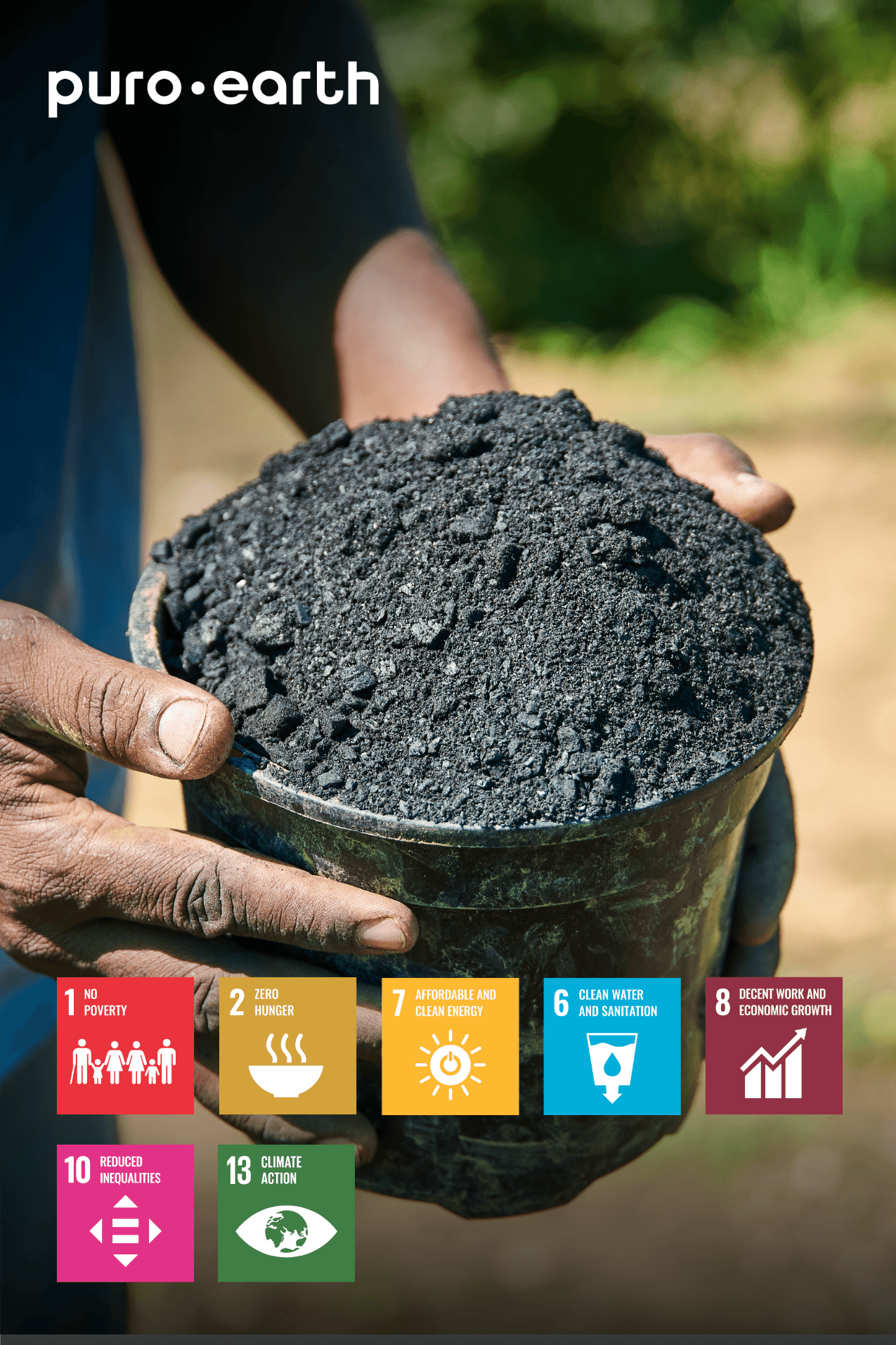
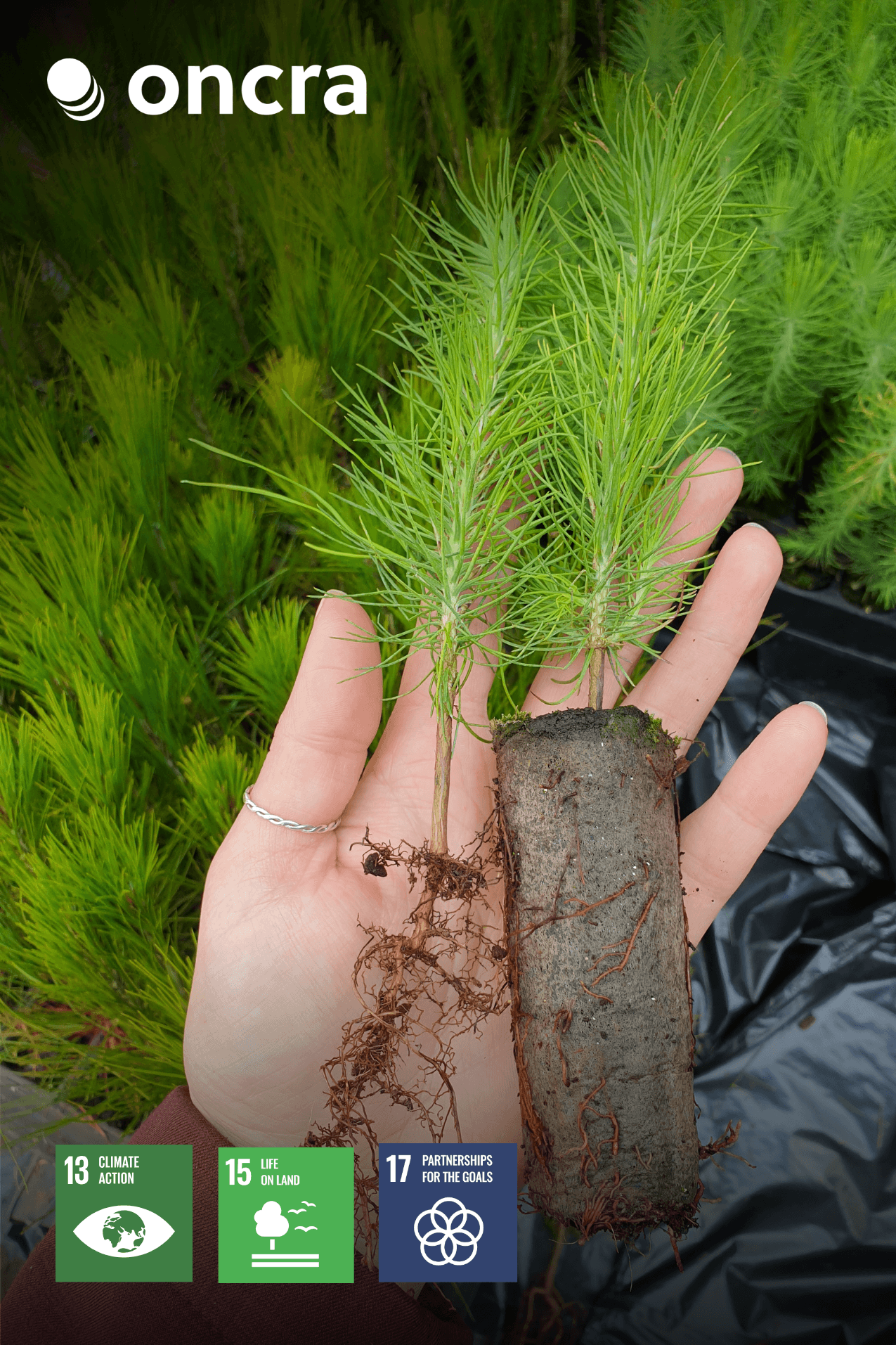
A carbon credit is a tradable certificate that represents the removal or reduction of one metric ton of carbon dioxide (CO2) or its equivalent in other greenhouse gases from the atmosphere. Examples are reforestation or biochar projects.
Why do carbon credit prices differ so much between project types?
Prices follow cost and permanence. In 2026, forest protection and reforestation credits cost about €2–45 per tonne, while durable removals such as biochar, enhanced rock weathering and direct air capture cost €110–1,000 per tonne, because they rely on industrial processes and store carbon for centuries or longer. Within each project type, quality drives the price: highly rated credits cost several times more than low-rated ones.
How do I know if a carbon credit is high-quality?
Look for certifications from trusted standards like Verra, Gold Standard, or Plan Vivo. High-quality credits are measurable, permanent, additional (wouldn’t happen without funding), and independently verified.