The highest-rated BeZero carbon credits of 2026 are a short list, by design. BeZero Carbon rates credits on an eight-point scale from AAA to D, and only a handful of projects across its 480+ rated universe clear the AA-to-AAA threshold that audit-conscious corporate buyers now treat as a procurement floor. This guide identifies the five highest-rated BeZero projects available for European corporate procurement in 2026, with verified registry IDs, current ratings, indicative prices, and named buyer signals where they exist.
What is a Carbon Credit?
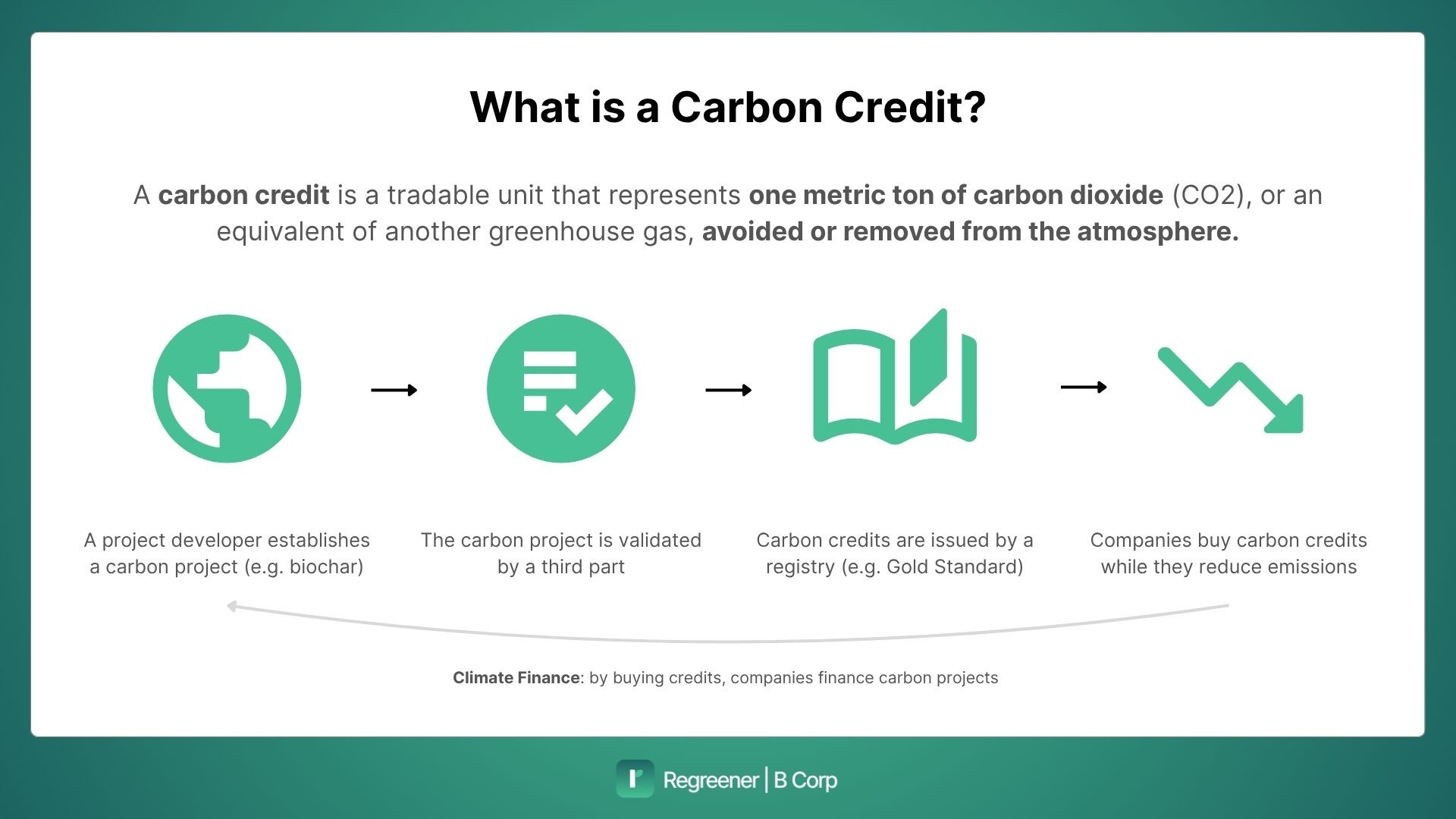
A carbon credit represents one metric tonne of CO₂ (or CO₂ equivalent) that has been removed from the atmosphere or prevented from being emitted. Credits are serialised, tracked in a public registry, and retired in the buyer’s name to prevent double-counting. Corporate buyers use credits to compensate for genuinely irreducible residual emissions after direct reductions, and under frameworks like CSRD’s ESRS E1 standard, the project type, registry, vintage and standard must all be disclosed separately from operational reductions. For a deeper dive, see Regreener’s carbon credits FAQ guide.
What Makes a Carbon Credit High Quality?
Not all carbon credits are created equal. High-quality credits must meet several criteria to deliver real and lasting climate benefits. Additionality is paramount: the project must prove that the emissions reductions or removals would not have occurred without the revenue from selling credits. Permanence ensures that the stored or avoided carbon remains out of the atmosphere for the long term, while robust monitoring, reporting, and verification (MRV) systems guarantee that the claimed benefits are accurate and transparent.
Beyond these fundamentals, high-quality credits avoid double-counting, deliver verifiable co-benefits (biodiversity, community development, soil and water improvements), and align with internationally recognized standards such as those set by Verra, Gold Standard, American Carbon Registry, Isometric, or Puro.earth. Independent project-level ratings from BeZero, Sylvera and Calyx have become the de facto procurement floor for buyers reporting under CSRD or SBTi.
Why BeZero Carbon Ratings Matter for Carbon Buyers
BeZero Carbon’s ratings stand out for their scientific rigour and structural independence. The agency does not trade credits, does not develop projects, and does not offer MRV consulting, which means every rating is free of conflicts of interest. BeZero combines remote sensing and machine learning with expert analysis to assess six critical risk factors per project: additionality, over-crediting, non-permanence, leakage, perverse incentives, and policy and political environment. Their methodology aligns with emerging global standards including the Integrity Council for the Voluntary Carbon Market (ICVCM) and the Voluntary Carbon Markets Integrity Initiative (VCMI).
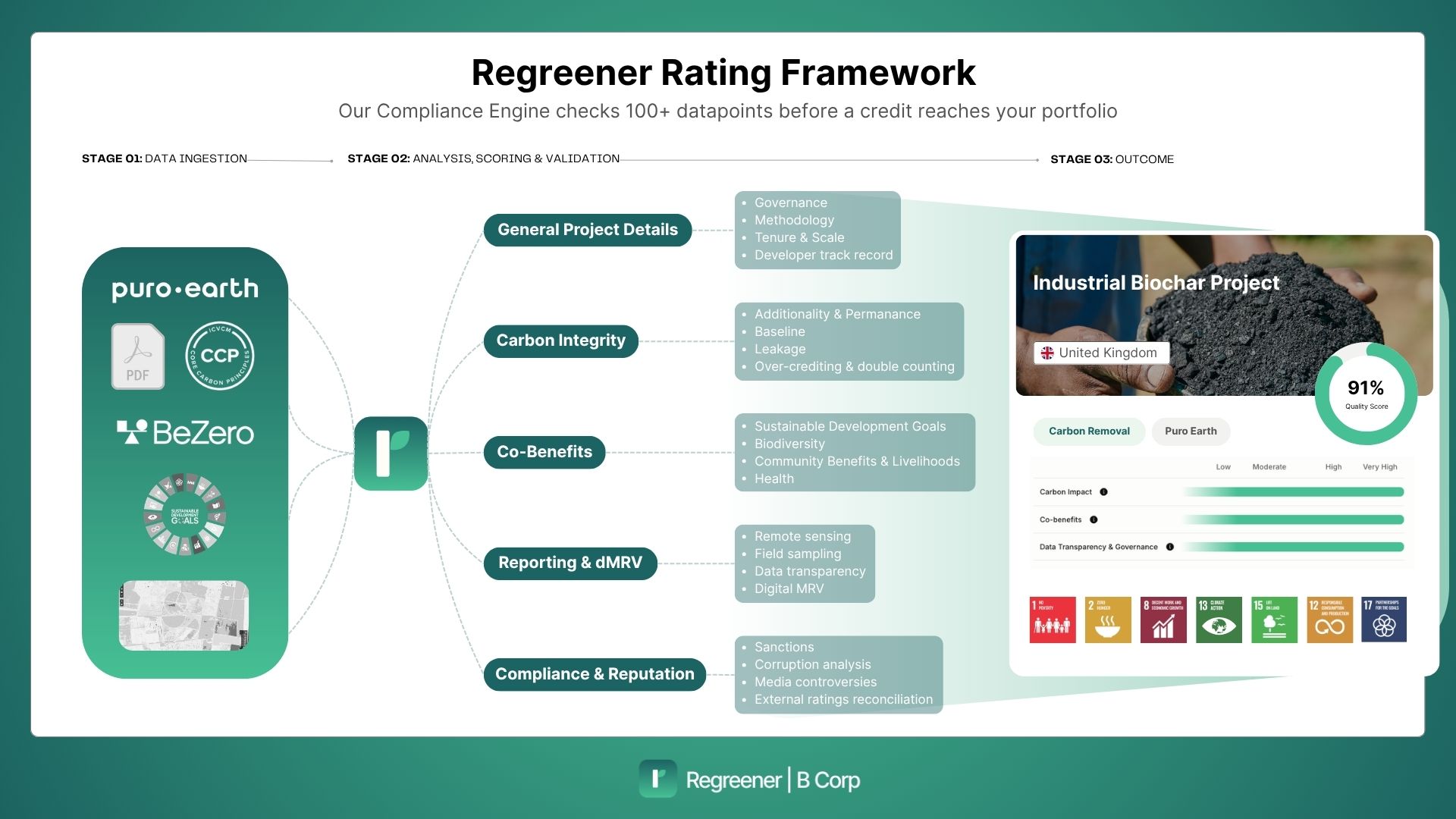
For buyers, BeZero ratings reduce risk by flagging projects with overestimated climate benefits or weak governance. Following Katingan’s BeZero upgrade from A to AA in Q1 2025, Fastmarkets observed vintage 2020 Katingan credits rising from USD 4.50-5.00 to USD 7.40-8.00 per tCO₂e within months - a textbook example of how ratings now drive price discovery. At Regreener, we integrate BeZero insights with Sylvera and Calyx ratings and our own proprietary 100+ datapoint quality framework to identify the top 10% of carbon credits in any given category.
Weighing up rating agencies? See Sylvera vs BeZero vs Calyx compared for how their scales, methods and coverage differ.
How the BeZero Carbon Rating Scale Works
BeZero Carbon rates credits on an eight-point scale from AAA to D, reflecting the likelihood that a given credit delivers one genuine tonne of CO₂ avoided or removed. The scale runs AAA, AA, A, BBB, BB, B, C, D, with + and - modifiers for the top categories (AAA+, AAA, AAA-, AA+, AA, AA-) to indicate comparative standing within a tier. A rating of BBB or above is widely considered the minimum threshold for a defensible corporate purchase under CSRD or SBTi reporting frameworks. AA and above represents the top tier of independently rated quality, typically covering fewer than 5% of all rated projects.
Two structural features make BeZero ratings particularly useful for procurement teams. First, BeZero’s headline ratings are always publicly accessible, so buyers can verify any project’s current rating before committing. Second, BeZero applies a “Ratings Watch” flag when material new information could change the assessment, and ratings are continuously monitored rather than re-issued annually. This means a buyer purchasing today is buying against the most current independent risk assessment available.
The 5 Highest-Rated BeZero Carbon Credits of 2026
1. Climeworks Mammoth - Direct Air Capture and Storage (Iceland)
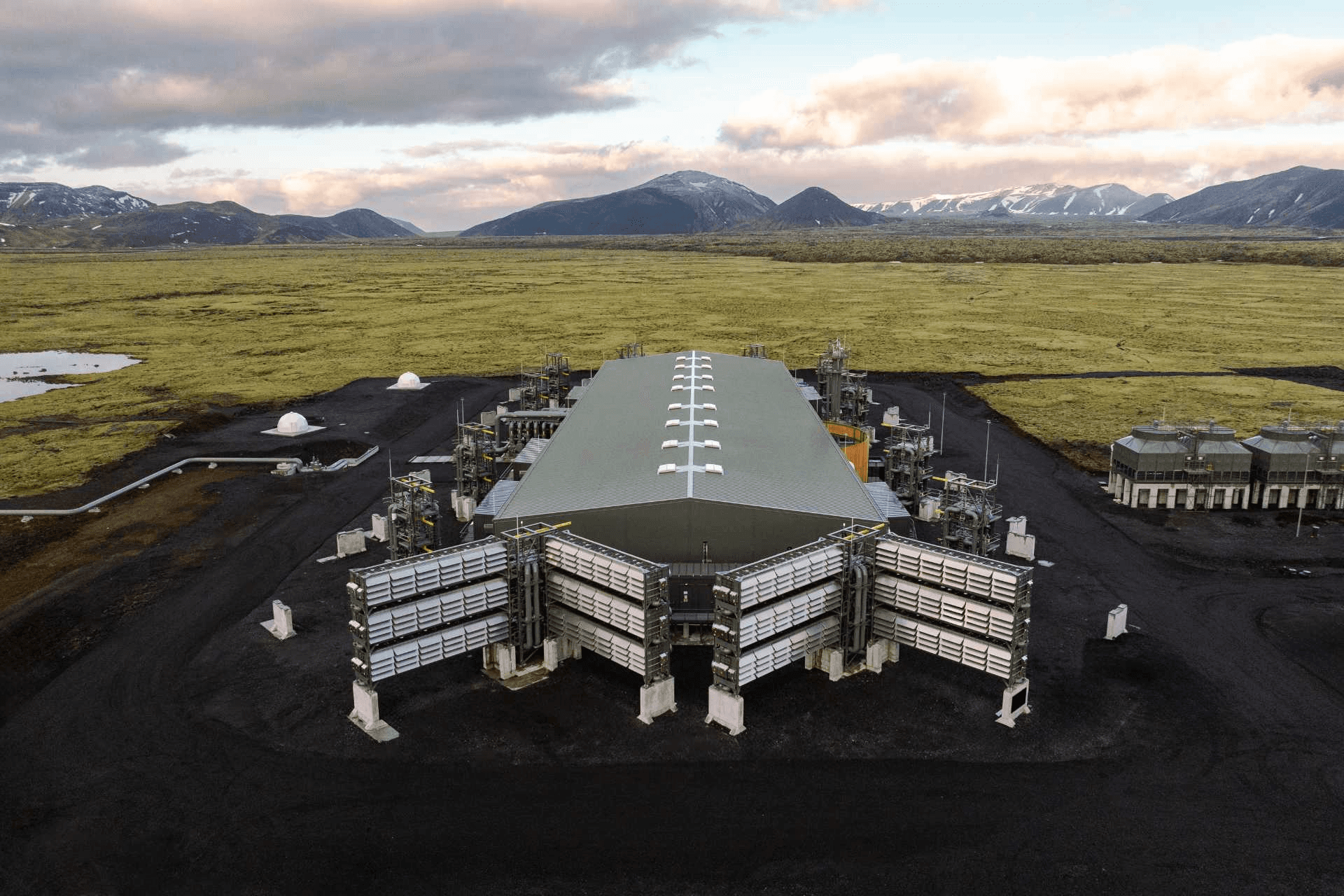
Registry: Isometric | Project type: Direct Air Capture with Storage (DACCS) | Location: Hellisheidi, Iceland | BeZero rating: AAA (the first project ever to receive BeZero’s highest rating) | Indicative price: EUR 400-1,000+ per tonne CO₂e | Status: Operational since May 2024
Overview
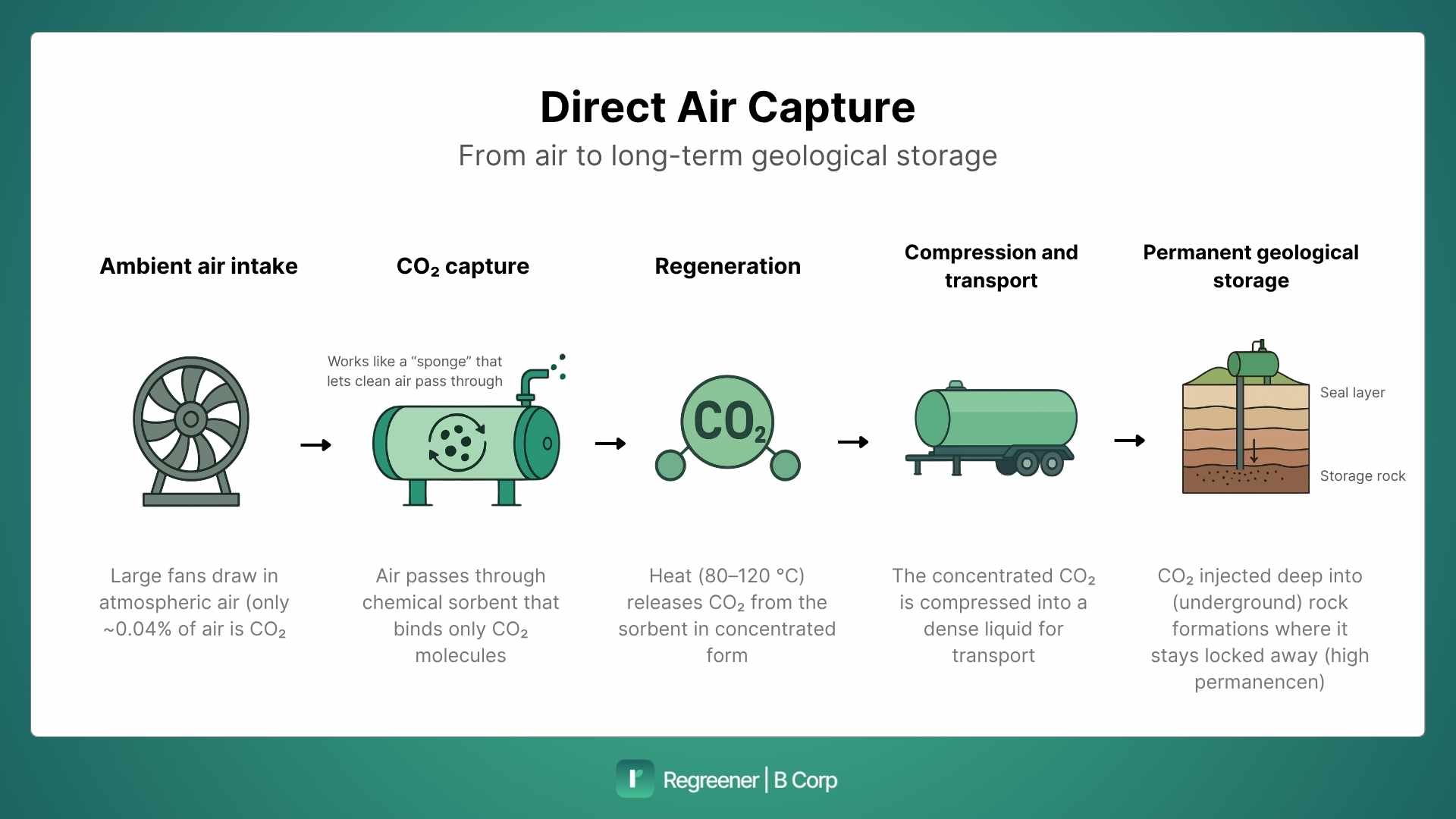
Climeworks Mammoth is the world’s largest direct air capture and storage facility, operational since May 2024 and approximately ten times larger than its Orca predecessor. The plant pulls CO₂ directly from ambient air using modular collectors powered entirely by Iceland’s geothermal energy. Captured CO₂ is injected into basaltic rock formations in partnership with Carbfix, where it mineralises into stable stone within roughly two years - geological storage with durability measured in millennia.
Mammoth has a nameplate capture capacity of up to 36,000 tonnes CO₂ per year. The facility is also aligned with the EU Carbon Removals Certification Framework (CRCF) Delegated Act for DACCS, adopted in February 2026.
Key benefits
Climate: Permanent CO₂ removal with zero biological reversal risk. The carbon becomes stone.
Innovation: Commercial-scale proof that renewable-powered DAC can operate at industrial scale - an essential proof point for the technology’s role in European net-zero pathways.
Permanence: Geological mineralisation in basalt, durability of 10,000+ years.
SDGs: Aligns with SDG 7 (Affordable and Clean Energy) and SDG 13 (Climate Action).
Why it stands out
Mammoth was the first project ever to achieve BeZero Carbon’s AAA rating, reflecting the near-zero reversal risk of geological mineralisation and the robust MRV infrastructure Climeworks has built. Known buyers include Microsoft, Shopify, JPMorgan Chase and Stripe under multi-year offtake agreements - the strongest institutional procurement signal in the DACCS market today. For more on Puro.earth and Isometric-certified durable removals, see our guide to the best Puro.earth carbon credit removal projects.
2. Perennial CMM HRS Dent’s Run Flare Project (Pennsylvania, USA)
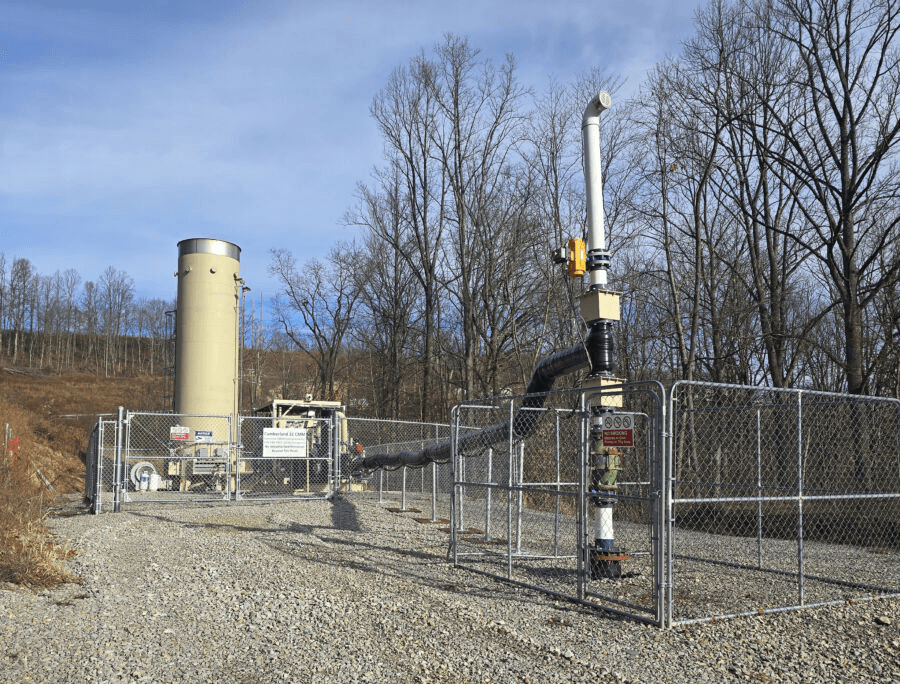
Registry: Verified under multiple frameworks; CCP-eligible methodology | Project type: Coal Mine Methane (CMM) destruction | Location: Dent’s Run, Pennsylvania, USA | BeZero rating: AAA | Indicative price: USD 10-30 per tonne CO₂e | Status: Operational
Overview
The Perennial CMM HRS Dent’s Run Flare Project captures methane gas released during abandoned coal mining operations in Pennsylvania and destroys it using a high-temperature enclosed flare system. Methane is roughly 28 times more potent than CO₂ as a greenhouse gas over 100 years, making capture-and-destruction one of the highest-leverage interventions available in the voluntary market. The project converts methane into CO₂ and water vapour, significantly reducing net global warming potential.
Key benefits
Climate: High-leverage short-term climate impact via methane abatement, the single most impactful greenhouse gas to mitigate near-term.
Air quality: Reduces local atmospheric methane, with associated air quality and safety benefits for adjacent communities.
Verification: Continuous flow monitoring with conservative emission factors.
SDGs: Aligns with SDG 13 (Climate Action) and SDG 15 (Life on Land).
Why it stands out
Dent’s Run is one of the rare projects that clears the highest bar across multiple rating agencies - AAA from BeZero and Tier 1 from Calyx Global - making it a benchmark for cross-methodology integrity. Mine methane destruction is a relatively newer Calyx category but consistently delivers top-tier ratings when projects meet conservative measurement standards. For buyers building defensible BOFU portfolios under CSRD scrutiny, double-rated AAA projects significantly reduce reputational and audit risk.
3. Katingan Mentaya Peatland Restoration and Conservation (Indonesia)
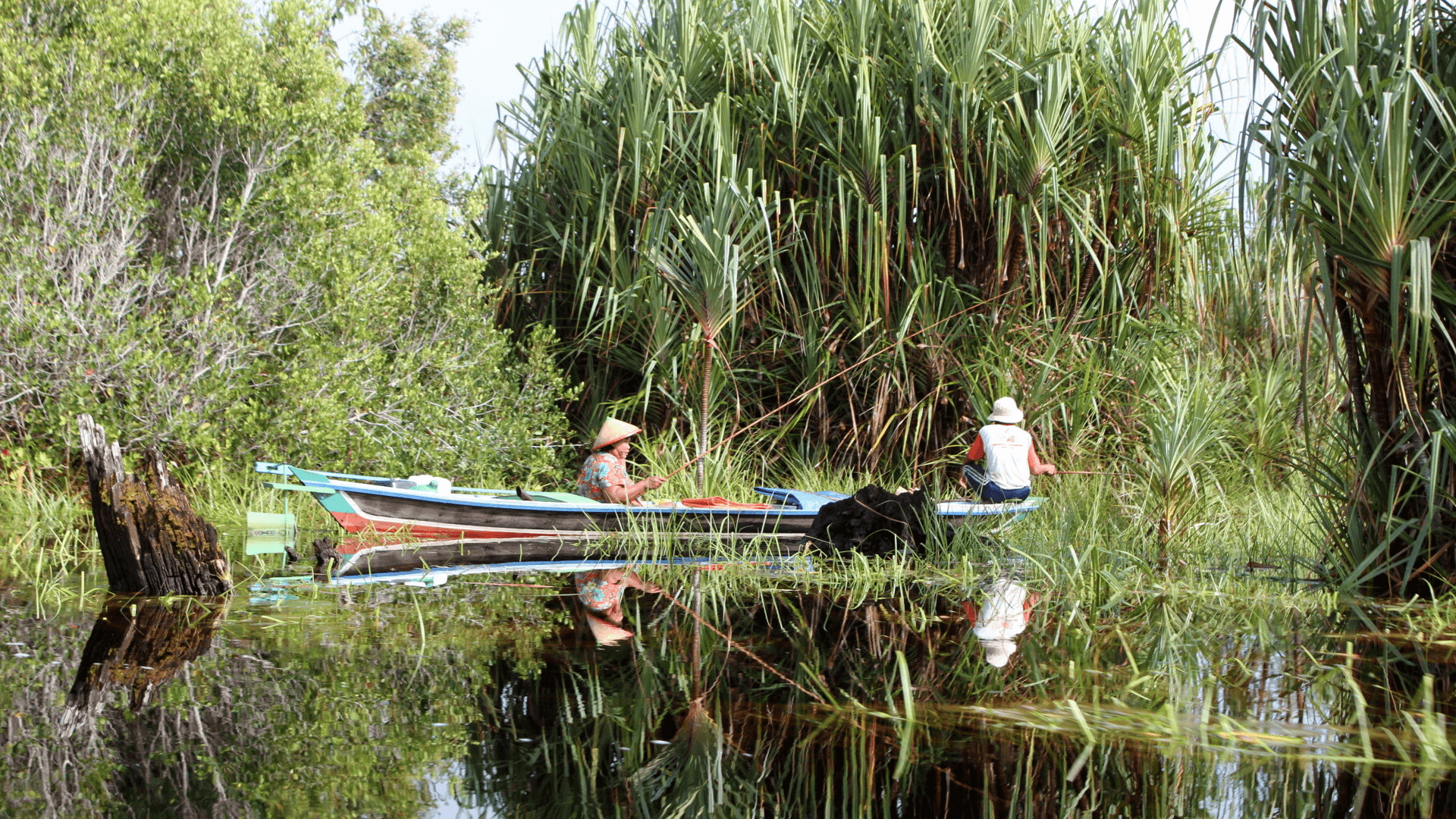
Registry: Verra VCS | Project ID: VCS 1477 | Project type: REDD+ peatland conservation | Location: Central Kalimantan, Indonesia | BeZero rating: AA (upgraded from A in Q1 2025) | Sylvera rating: AA | Indicative price: USD 7-15 per tonne CO₂e | Status: Operational since 2014
Overview
The Katingan Mentaya Project protects 149,800 hectares of tropical peat swamp forest in Central Kalimantan, one of the most carbon-dense ecosystems on the planet. Peatlands store carbon accumulated over thousands of years; when drained or burned, they release it within days. Katingan prevents that conversion through an Ecosystem Restoration Concession license held by project developer PT Rimba Makmur Utama (RMU), securing long-term conservation rights against the area’s prior designation as production forest at imminent risk of acacia plantation conversion.
The project avoids approximately 7.5 million tonnes of CO₂ emissions annually - equivalent to taking around two million cars off the road each year.
Key benefits
Climate: Permanently avoids over 7.5 million tonnes of CO₂ annually by protecting peatlands that store carbon for millennia.
Biodiversity: Critical habitat for endangered species including the Bornean orangutan, proboscis monkey and Storm’s stork.
Community: Supports sustainable livelihoods across 34 villages through agroforestry, eco-tourism, education and women’s empowerment programmes.
SDGs: Aligns with SDG 13 (Climate Action), SDG 15 (Life on Land), and SDG 5 (Gender Equality).
Why it stands out
Katingan was upgraded from BeZero A to AA in Q1 2025, placing it in the top 1% of BeZero’s 487+ rated projects with a “very high likelihood of achieving 1 tonne of CO₂e avoided or removed.” It also holds an AA rating from Sylvera, making it one of the few REDD+ projects with cross-agency top-tier status. Publicly disclosed buyers include Delta Airlines, Tokyo Gas and TotalEnergies, reflecting Katingan’s frequent role in aviation and utility decarbonisation programmes. Note that some buyers are heavy emitters, so selective citation matters for your own brand alignment. For more on REDD+ project selection, see our guide to the best REDD+ carbon credits of 2026.
4. WithOneSeed Timor-Leste Community Forestry Program
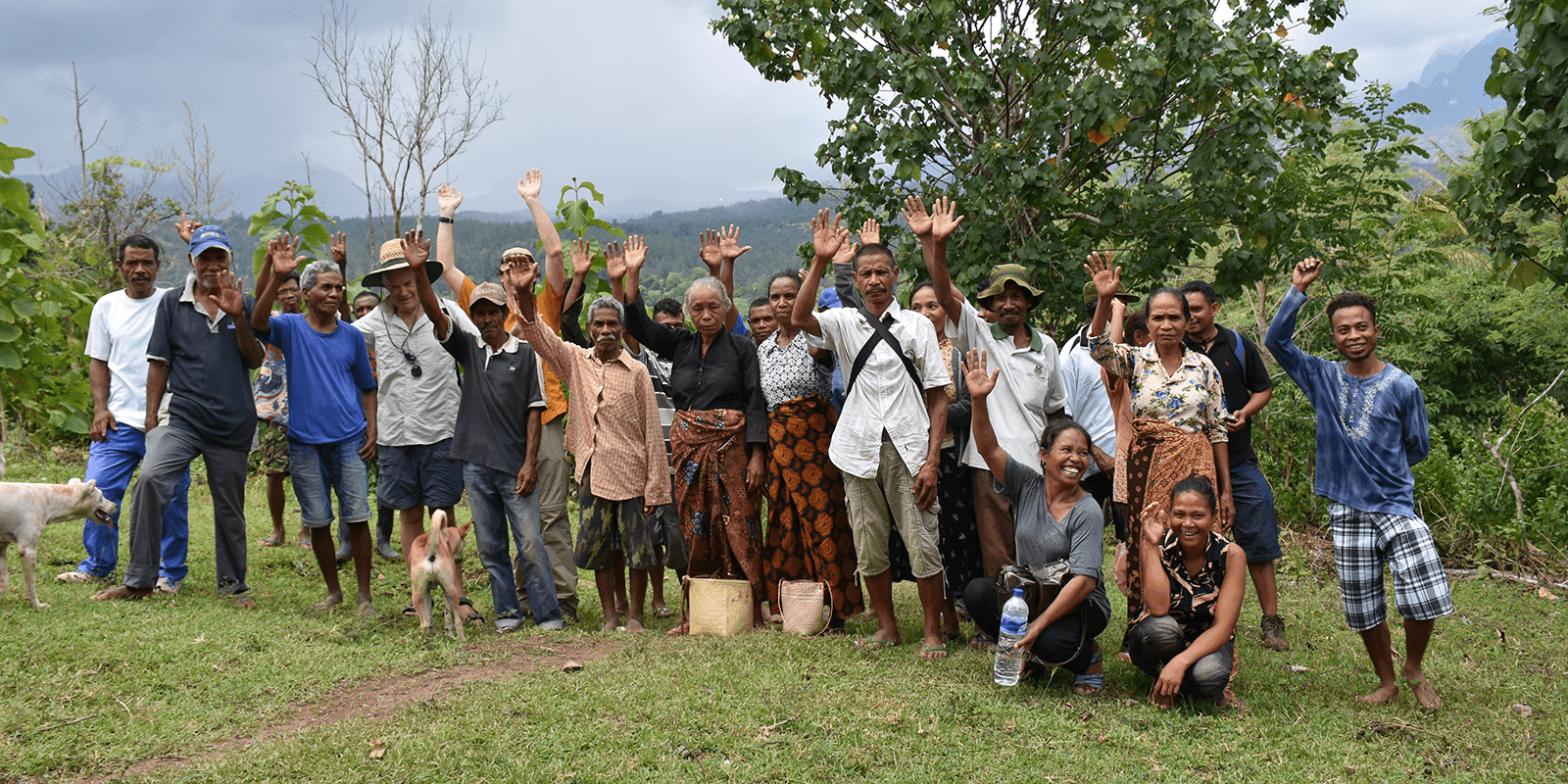
Registry: Gold Standard | Project ID: GS 4210 | Project type: Community-based reforestation | Location: Baguia subdistrict, Timor-Leste | BeZero rating: AA | Indicative price: USD 20-40 per tonne CO₂e | Status: Operational since 2010
Overview
WithOneSeed is a community-driven reforestation programme that restores degraded land in Timor-Leste by planting native trees, sequestering CO₂, and providing direct income to local farmers. The programme is one of the most established community forestry projects in the Asia-Pacific region, with farmers retaining ownership of the trees and receiving a fixed annual payment per surviving tree.
The project is verified under the Gold Standard for the Global Goals, with rigorous monitoring of tree survival rates and carbon sequestration.
Key benefits
Climate: Carbon removal through reforestation with native species adapted to Timor-Leste’s climate.
Community: Direct farmer payments create a long-term income stream tied to tree survival rather than tree planting alone.
Biodiversity: Restoration of native species supports local ecosystem recovery in an area heavily impacted by deforestation.
SDGs: Aligns with SDG 1 (No Poverty), SDG 13 (Climate Action), SDG 15 (Life on Land).
Why it stands out
WithOneSeed earns its BeZero AA rating partly because of its structural design: farmers are paid annually for surviving trees, not for planting, which directly aligns financial incentives with carbon outcomes. The project’s smaller scale relative to industrial reforestation programmes makes it well-suited to buyers prioritising community impact and traceable rural development outcomes. It is one of the few community forestry programmes globally to achieve a BeZero AA rating, validating its quality methodology and on-the-ground execution.
5. Brusque Landfill Gas Project (Santa Catarina, Brazil)
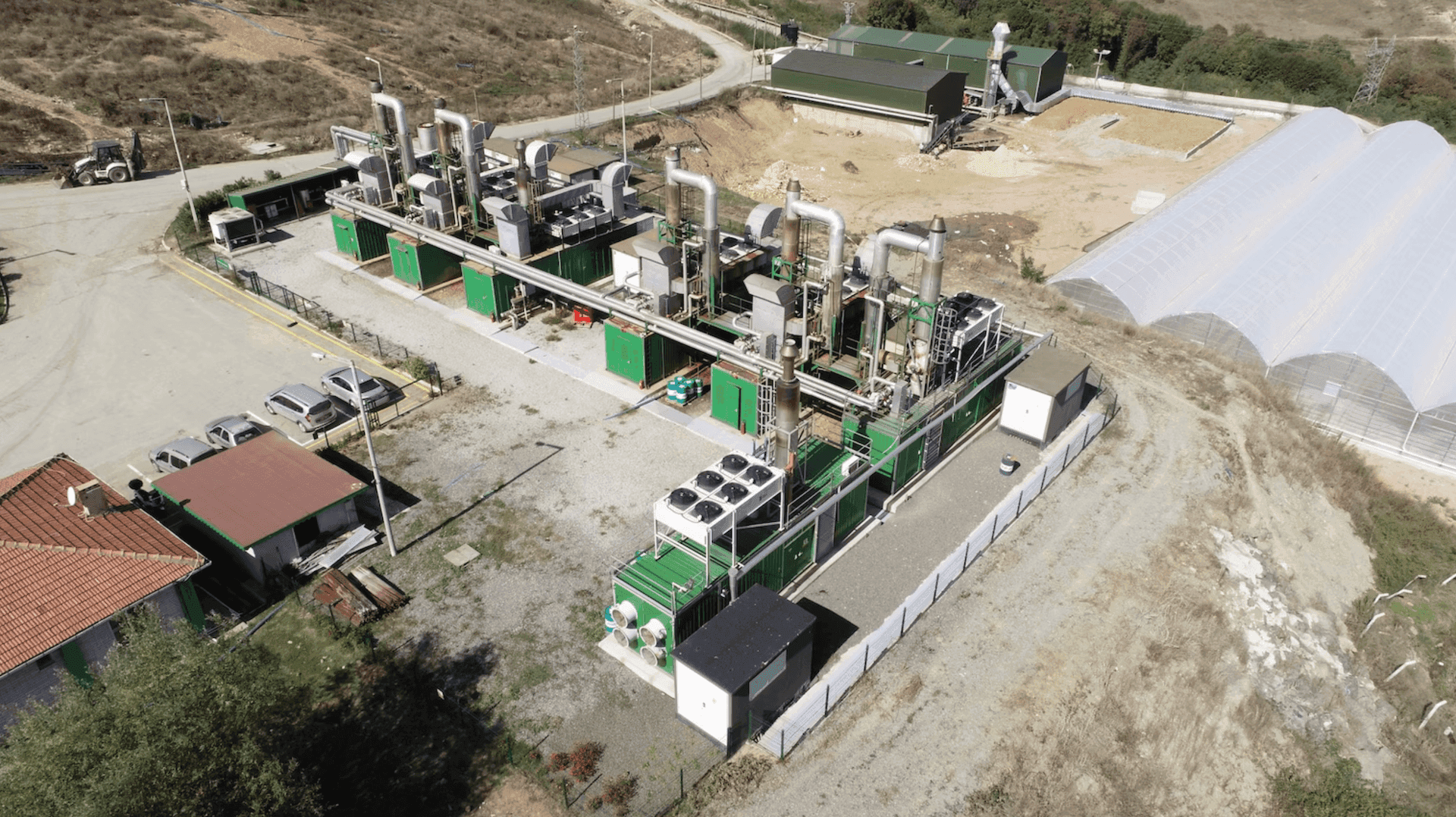
Registry: Verra VCS | Project ID: VCS 4138 | Project type: Landfill gas capture, flaring and energy generation | Methodology: ACM0001 / AMS-III.G (ICVCM CCP-approved June 2024) | Location: Brusque, Santa Catarina, Brazil | BeZero rating: AA | Calyx rating: Tier 1 | Indicative price: USD 5-15 per tonne CO₂e | Status: Operational since 2009 (landfill); LFG capture operations active
Overview
The Brusque Landfill Gas Project captures methane-rich biogas from a municipal landfill in Brusque, Santa Catarina, Brazil, and either combusts it in a high-temperature enclosed flare or uses it as fuel for a 4.56 MW electricity generation infrastructure (with capacity expansion to 10 MW planned). The landfill, operated by Recicle Catarinense de Resíduos LTDA, has been in operation since 2009 and captures landfill gas that would otherwise be released as fugitive methane emissions.
The project reduces over 200,000 tonnes of CO₂e annually and is one of the first projects in Latin America to deploy real-time monitoring technology for emissions verification.
Key benefits
Climate: High-leverage methane abatement at municipal landfill scale, with renewable electricity co-generation displacing fossil-fuel grid power.
Air quality: Significantly reduces local air pollution and health risks for nearby communities.
Verification: Real-time monitoring infrastructure provides continuous emissions data, exceeding standard methodology requirements.
SDGs: Aligns with SDG 7 (Affordable and Clean Energy), SDG 11 (Sustainable Cities and Communities) and SDG 13 (Climate Action).
Why it stands out
Brusque holds a BeZero AA rating, ICVCM CCP-approved methodology status (one of the first batch approved in June 2024), and Calyx Tier 1 classification. That tri-agency anchoring is exceptionally rare in the landfill gas sector, where most projects rate BBB or BB by BeZero. The combination of CCP approval and AA-tier independent ratings makes Brusque one of the most defensible avoidance credits available for European corporate buyers in 2026, particularly those seeking affordable foundation-layer credits to balance higher-priced removal portfolios. For more on CCP-labelled projects, see our guide to the best CCP-labeled carbon credits of 2026. Already hold credits? Screen your projects on integrity, co-benefits and transparency with our free checker.
Comparative Analysis
Project Name | Type | Registry | Location | BeZero Rating | Indicative Price (2026) | Key Buyers |
|---|---|---|---|---|---|---|
Climeworks Mammoth | Tech-Based Removal (DACCS) | Isometric | Iceland | AAA | EUR 400-1,000+ | Microsoft, Shopify, JPMorgan Chase, Stripe |
Perennial CMM Dent’s Run | Methane Destruction | Multi | USA | AAA | USD 10-30 | Industrial buyers; AAA from BeZero + Calyx |
Katingan Mentaya | Nature-Based Avoidance (REDD+) | Verra VCS 1477 | Indonesia | AA | USD 7-15 | Delta Airlines, Tokyo Gas, TotalEnergies |
WithOneSeed Timor-Leste | Nature-Based Removal (community forestry) | Gold Standard GS 4210 | Timor-Leste | AA | USD 20-40 | Community-aligned corporate buyers |
Brusque Landfill Gas | Methane Avoidance + Energy | Verra VCS 4138 | Brazil | AA | USD 5-15 | CCP-approved; Calyx Tier 1 |
BeZero vs Sylvera vs Calyx: How the Three Rating Agencies Compare
All three agencies now use AAA-to-D scales, but their methodologies differ enough that the same project can sit in different tiers depending on which agency you ask. BeZero combines remote sensing with expert analysis for broad market coverage and clear alignment with ICVCM and VCMI frameworks. Sylvera leans heavily on geospatial data, particularly its proprietary Biomass Atlas, which gives buyers a sharper view of on-the-ground biomass and canopy reality - especially valuable for forestry, ARR, IFM and REDD+ projects. Calyx is human expert-led and the most conservative, with a sweet spot for industrial and waste-sector projects where its rigorous treatment of baselines and over-crediting pays off most.
At Regreener, we do not rely on any single rating. We triangulate across BeZero, Sylvera and Calyx, then layer our own proprietary 100+ datapoint model on top to assess country risk, developer track record, financial structure, and reputational signals before recommending any project to clients. For BeZero’s perspective on the highest-rated forestry projects, see our guide to the highest-rated Sylvera carbon credits of 2026. For Calyx’s industrial-sector focus, see our guide to the highest-rated Calyx carbon credits of 2026.
“A BeZero AAA rating is rare. As of 2026, fewer than five projects across BeZero’s 480+ rated universe have ever achieved it, and most are engineered removals or industrial point-source destruction projects. Nature-based AAA ratings remain effectively unprecedented. For buyers seeking nature-based exposure, an AA rating from BeZero, combined with a CCB or Plan Vivo co-benefits certification, is the realistic top-tier benchmark.”
Bernard de Wit, Founder, Regreener
For scales, access and how to use ratings in procurement, see our comparison of carbon credit rating agencies.
How to Evaluate Carbon Credits Beyond Ratings
While BeZero ratings provide a critical baseline, savvy buyers consider additional factors to ensure alignment with their goals:
Co-benefits: Look for projects that deliver beyond carbon, such as biodiversity protection, job creation, or clean water access. At Regreener, we rate credits through our proprietary quality framework, consisting of 100+ datapoints across five domains.
Geographic relevance: Projects in regions tied to your supply chain or operations amplify your sustainability narrative and stakeholder engagement. European projects also offer the cleanest CSRD audit trail under the upcoming EU Carbon Removals Certification Framework.
Future-proofing: With ICVCM CCP, VCMI Claims Code and the EU CRCF all evolving, select projects that meet current and anticipated requirements. BeZero ratings are updated continuously, and Ratings Watch flags new information that could shift a rating.
Avoid these common pitfalls:
Over-reliance on price, which can lead to low-quality credits with minimal real-world impact.
Ignoring project vintage. Older credits may not reflect current methodological standards, especially in REDD+ where Verra’s VM0048 has reset the benchmark.
Neglecting to diversify your portfolio across project types, geographies and rating agencies.
Already hold rated credits? See how to review your carbon credit portfolio.
How to Purchase These Credits
Ready to invest in high-integrity carbon credits? Follow these steps for a defensible procurement process:
Assess your sustainability goals: Determine whether you need avoidance, removal, or a balanced mix of both. Align your purchases with science-based targets and internal ESG commitments. Under SBTi V2 and VCMI’s Claims Code, removals and avoidance must be disclosed separately.
Compare projects using BeZero and cross-agency criteria: Use BeZero’s public ratings listings to shortlist projects, then cross-reference Sylvera and Calyx for the same project where available. Apply your internal filters (co-benefits, geographic focus, technology preference, vintage).
Work with a trusted expert: Partnering with a specialised advisor simplifies due diligence and retirement. At Regreener, we evaluate projects, negotiate contracts, and ensure compliance with CSRD ESRS E1 disclosure requirements, so your team can focus on the core business.
Monitor and report: Track the impact of your purchases and communicate results transparently to stakeholders. Tools like VCMI’s Claims Code help you make credible, defensible claims.
For a broader view of high-integrity options, see our guides to the best carbon offset projects of 2026 and the best EU carbon credit projects of 2026.
The Future of Carbon Credit Ratings
The carbon credit market is consolidating around independent ratings as the de facto procurement floor. BeZero’s analysis of the 2025 market shows retirements of the highest-rated credits (A to AAA) more than doubled, accounting for 22% of all retirements in 2025, up from 10% in 2022. Conversely, the market is actively de-prioritising lower-rated options, with C and D rated credits dropping from 31% to 17% of retirements over the same period.
Regulatory frameworks will reinforce this shift. The EU Carbon Removals Certification Framework (CRCF) - Regulation EU 2024/3012, in force since December 2024 - will start certifying projects in late 2026, with the first Delegated Acts adopted for DACCS and biochar in February 2026. Combined with CSRD’s ESRS E1 disclosure rules and SBTi’s evolving guidance, the bar for credit quality is rising fast. Projects that already hold AA-and-above BeZero ratings are best positioned for this transition.