
have us call you right now.

The 5 Highest-Rated Calyx Carbon Credits of 2026

The 5 Highest-Rated Calyx Carbon Credits of 2026

Last updated:

Apr 29, 2025

Apr 29, 2025

6 minute read

6 minute read

The 5 Highest-Rated Calyx Carbon Credits of 2026

The highest-rated Calyx carbon credits are not rainforests. They are not mangroves, cookstoves or biochar either. They are industrial waste-gas destruction projects, and Calyx Global, the most conservative rating agency in the voluntary carbon market, has a clear reason for putting them at the top.

Of the more than 1,000 projects Calyx has rated to date, only a small fraction reach the top tier. Nature-based projects and household-scale interventions face structural hurdles on additionality, permanence and measurement that industrial destruction projects simply do not.

Direct answer: Which carbon credits receive the highest Calyx rating?

Calyx Global's highest-rated carbon credits (AAA, AA and A in Calyx's Tier 1) are overwhelmingly industrial and waste-sector projects: destruction of ozone-depleting substances (ODS), abatement of nitrous oxide (N2O) at chemical plants, capture and destruction of coal mine methane, landfill gas capture, and leak detection and repair in gas distribution networks. These project types dominate Calyx's top tier because they address point-source emissions with clear counterfactuals, no non-permanence risk, low leakage and straightforward measurement. Nature-based and household-scale projects rarely clear the Tier 1 bar.

What Is Calyx Global and How Does It Rate Carbon Credits?

Calyx Global is an independent carbon credit rating agency covering more than 25 project types and over 1,000 projects to date. In January 2025, Calyx moved to an AAA-to-D scale, grouped into three tiers: Tier 1 (AAA, AA, A), Tier 2 (BBB, BB, B) and Tier 3 (C, D).

Calyx evaluates two things separately: GHG integrity (the risk that a credit does not deliver on its emissions claim) and SDG contribution (the strength of the project's social and environmental co-benefits). Unlike ratings that lean heavily on algorithms, Calyx assessments are led by human experts drawing on project documentation, methodology analysis and country context.

An independent study by Carbon Market Watch concluded that Calyx is "more conservative, with a more reliable way of assessing carbon credit quality" Calyx Global than the other major rating agencies. That conservatism is the point: a AAA or AA rating from Calyx is rarer, and therefore more meaningful, than the same letter from other agencies.

Why Calyx's Top-Rated Projects Are Mostly Industrial

The projects Calyx rates most highly share a set of structural advantages. Emissions are released at a single point, often a flue stack or a canister, rather than scattered across a landscape. The counterfactual (what would have happened without the project) is unambiguous. Destruction is physical, measurable and permanent, so there is no reversal risk. Leakage, the risk that emissions simply move elsewhere, is negligible.

Nature-based projects have none of these advantages. Forests burn, soils release carbon, and measurement across large, dynamic landscapes is hard. Cookstove projects have well-documented over-crediting problems. That does not make nature-based or household projects valueless, but it does mean they face much higher hurdles on Calyx's framework.

The market is starting to reward this distinction. As of early 2025, Tier 1 Calyx-rated credits commanded a 24% price premium over Tier 2 and Tier 3 credits. That gap is expected to widen as buyers treat integrity risk as financial and reputational risk.

Want to know which credits fit your company's climate strategy?

Book a free consultation today

The 5 Highest-Rated Calyx Carbon Credits of 2026

Below are five specifically named projects that sit in, or represent, Calyx's top tier. Each uses a CCP-approved methodology or project type and addresses the kind of point-source emissions Calyx rewards with its highest ratings.

1. Tradewater Thailand 6 (ACR937)
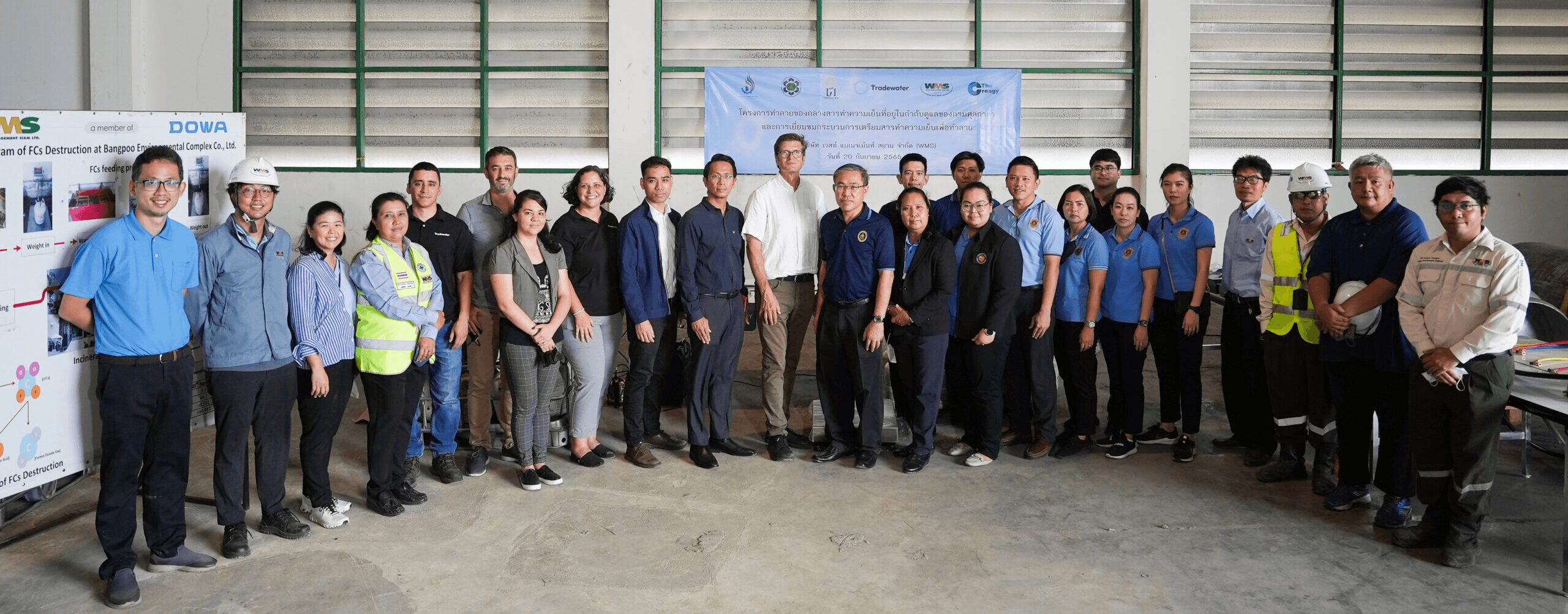
  • Location: Thailand

  • Developer: Tradewater

  • Methodology: ACR Destruction of ODS from International Sources (CCP-approved)

  • Project type: Ozone-depleting substances destruction

The Tradewater Thailand 6 project collects legacy refrigerant gases (CFCs and HCFCs) that would otherwise leak from aging equipment, and destroys them at facilities meeting Montreal Protocol standards with greater than 99.99% destruction efficiency. Every canister is weighed, sampled and analysed by accredited third parties before destruction.

ODS destruction is the single project type Calyx has publicly cited most often as consistently reaching its highest ratings. The reason is structural: the counterfactual (ongoing leakage to atmosphere) is unambiguous, emissions destroyed are measurable to the kilogram, and there is no permanence risk once a refrigerant is incinerated. One kilogram of CFC-11 destroyed equates to roughly 5,000 kilograms of CO2 avoided.

2. Perennial CMM Dent's Run Flare Project (Pennsylvania, USA)
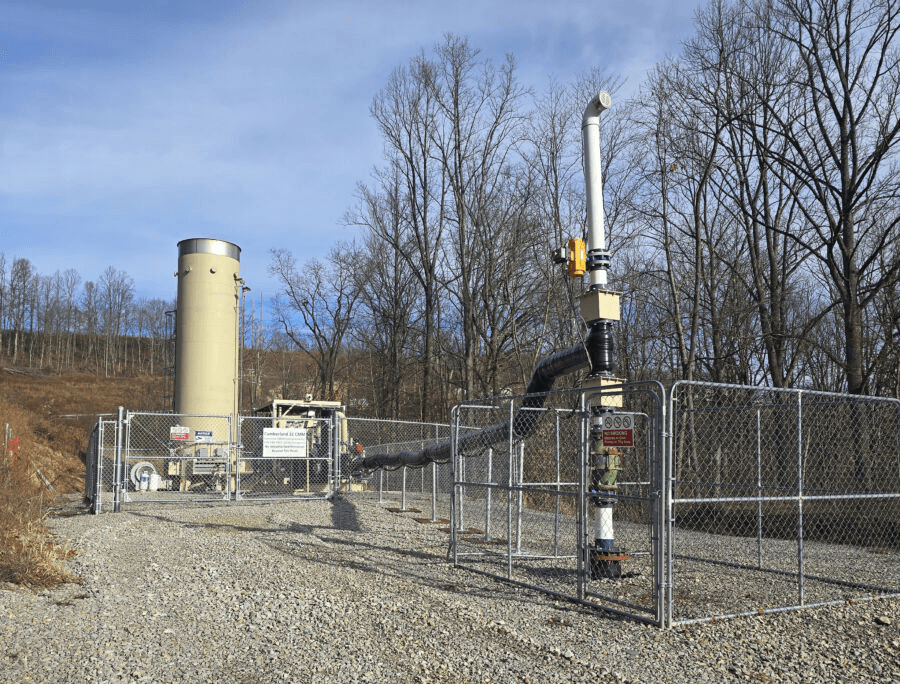
  • Location: Pennsylvania, USA

  • Developer: Perennial

  • Methodology: ACR Mine Methane Capture

  • Project type: Coal mine methane destruction

This project captures methane from a legacy underground coal mine in Pennsylvania and destroys it through an enclosed flare. Methane is roughly 28 times more potent than CO2 over a 100-year period and 81 times more potent over 20 years, so destroying it at source delivers outsized climate benefit per tonne.

Mine methane destruction is a relatively newer Calyx category, but one that consistently delivers top-tier ratings when projects meet conservative measurement standards. The Dent's Run project has also received a AAA rating from BeZero Carbon, making it one of the rare projects that clears the highest bar across multiple rating agencies, a strong signal of cross-methodology integrity.

3. Phlogiston Phase I N2O Abatement (Florida, USA)
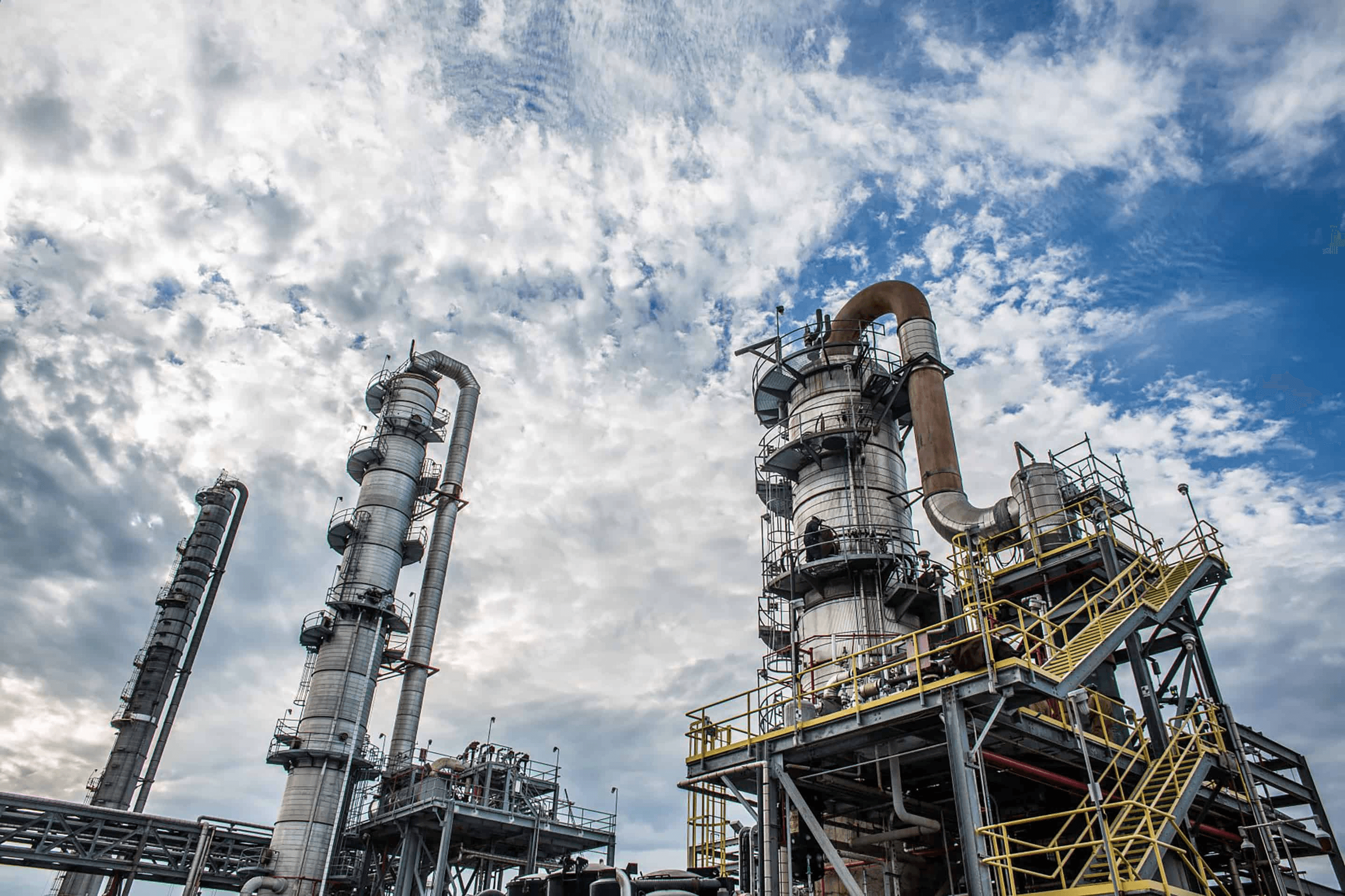
  • Location: Cantonment, Florida, USA

  • Developer: Ascend Performance Materials

  • Methodology: CAR Adipic Acid Production Protocol (CCP-approved)

  • Project type: N2O abatement at an adipic acid plant

The Phlogiston Phase I project captures excess N2O emissions from nylon manufacturing at the Ascend Performance Materials adipic acid plant in Cantonment, Florida. It is the largest voluntary N2O abatement project in North America. Phase I achieves roughly 50% N2O abatement, scaling to near 98% by Phase II. N2O concentrations are monitored continuously, with data stored for ten years.

N2O is one of the most potent greenhouse gases in the carbon market, with a 100-year global warming potential roughly 273 times that of CO2. Catalytic destruction at the point of emission delivers permanent, measurable abatement with none of the permanence risk that forest or soil carbon projects face. Adipic acid N2O methodologies received CCP approval in 2025.

4. Brusque Landfill Gas Project (VCS4138)
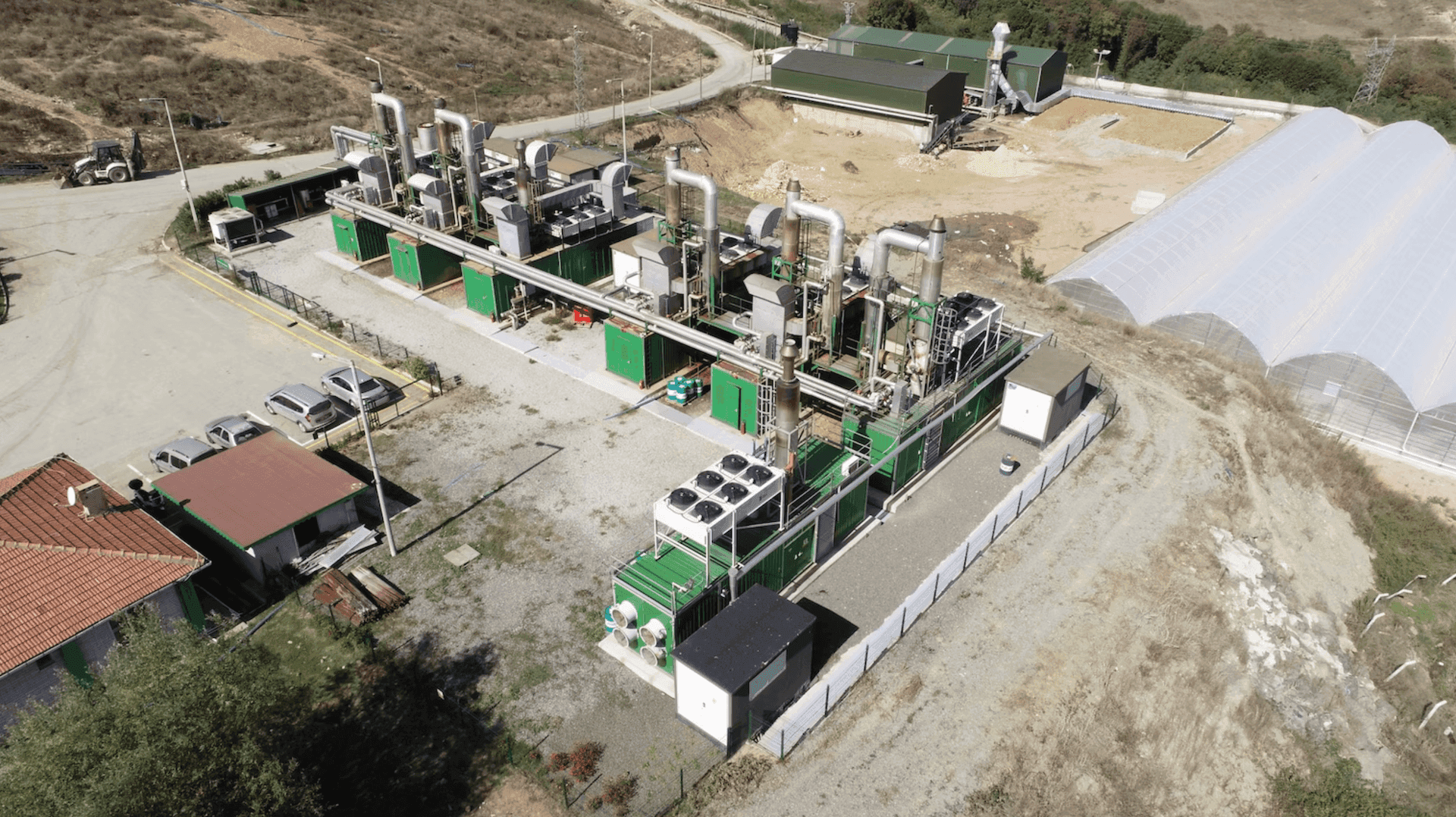
  • Location: Brusque, Brazil

  • Developer: Biofílica Ambipar

  • Methodology: ACM0001 Flaring or Use of Landfill Gas (CCP-approved)

  • Project type: Landfill gas capture and flaring

The Brusque Landfill Gas Project captures methane from a municipal landfill in southern Brazil and converts it into clean energy, preventing more than 200,000 tonnes of CO2-equivalent emissions per year. Methane from decomposing organic waste is roughly 81 times more potent than CO2 over 20 years, making landfill gas capture one of the highest-leverage climate interventions in the waste sector.

Landfill gas was among the first project categories to receive the ICVCM's Core Carbon Principle label. Calyx has noted that LFG projects typically only reach its top tier when they apply conservative oxidation factors and robust monitoring. The Brusque project is one of the first in Latin America to deploy real-time emissions monitoring, making it well positioned on exactly those criteria.

5. Hududgaz Gas Distribution Network Leak Reduction (VCS4531)
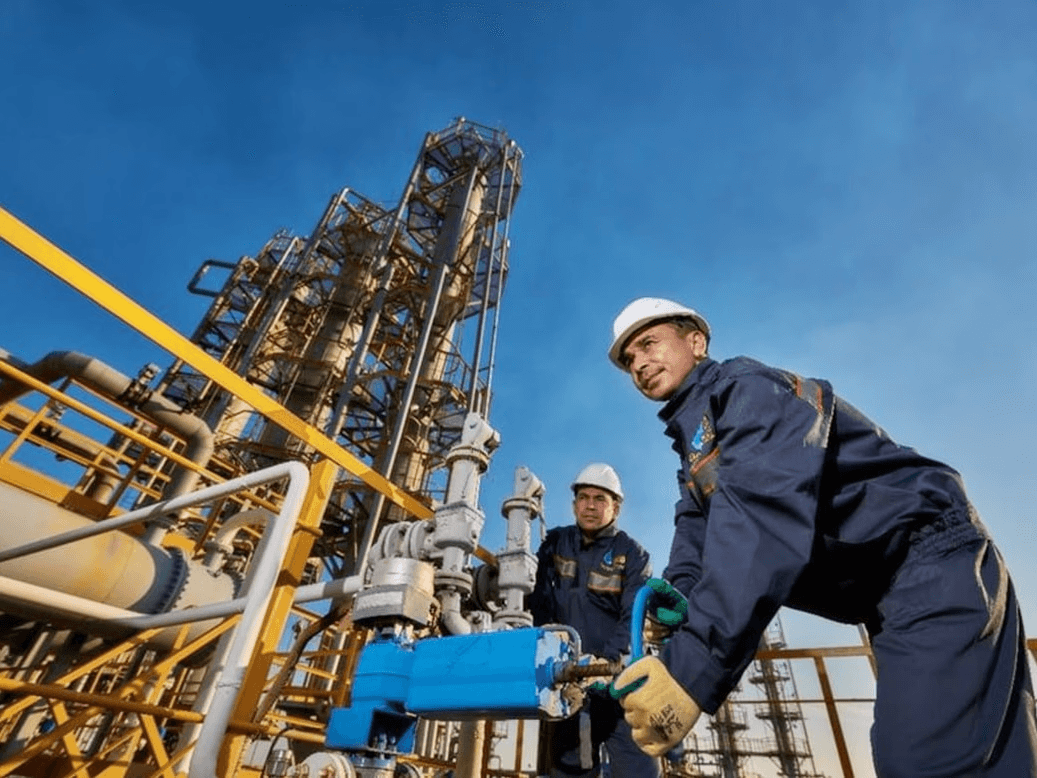
  • Location: Uzbekistan

  • Developer: Hududgaz

  • Methodology: AM0023 Leak Detection and Repair in Gas Distribution (CCP-approved)

  • Project type: Methane leak detection and repair (LDAR)

Methane leaks from aging gas distribution infrastructure are a major but often overlooked source of emissions. The Hududgaz project upgrades gas pipeline infrastructure across Uzbekistan, reducing leaks by up to 90% in targeted sections of the network. It prevents over 100,000 tonnes of CO2-equivalent emissions per year.

Leak detection and repair is one of the newer categories on Calyx's platform, but LDAR projects share the structural features that drive Calyx Tier 1 ratings: point-source emissions, continuous measurement, clear counterfactual, and direct alignment with the Global Methane Pledge. For multinational buyers with supply chain exposure in Central Asia, LDAR projects also deliver a clear geographic and strategic fit.

Comparative analysis

Project Name

Type

Location

Registry ID

Calyx Tier (profile)

Price Range t/CO2e

Tradewater Thailand 6

ODS destruction

Thailand

ACR937

Tier 1

€15-€25

Perennial CMM Dent's Run Flare

Coal mine methane

USA (Pennsylvania)

ACR-registered

Tier 1

€10-€30

Phlogiston Phase I

N2O abatement (adipic acid)

USA (Florida)

CAR-registered

Tier 1

€8-€20

Brusque Landfill Gas

Landfill methane capture

Brazil

VCS4138

Tier 1

€12-€18

Hududgaz Leak Reduction

Methane LDAR

Uzbekistan

VCS4531

Tier 1

€10-€25

a plane flying in the sky with the word go written in it

Explore our Guide: the best Carbon Credit Projects of 2026

Learn about the latest best practices, high-quality projects and strategic options

How Calyx Compares to BeZero and Sylvera

Calyx, BeZero and Sylvera all use an AAA-to-D scale, but the methodologies behind those ratings are different enough that the same project can sit in different tiers depending on which agency you ask.


Calyx Global

BeZero Carbon

Sylvera

Scale

AAA-D

AAA-D

AAA-D

Methodology

Human expert-led, conservative

Remote sensing + ML + expert analysis

Satellite + LiDAR + ML + field data

Ratings volume

1,000+ projects

500+ projects

1,000+ projects

Strongest coverage

Industrial, waste, manufacturing

Broad VCM coverage

Forestry, ARR, REDD+

Co-benefits

Separate SDG rating

Integrated view

Separate co-benefits score

Positioning

Most conservative agency

Market-wide transparency

Geospatial rigor for land-based

Each agency has a sweet spot. For industrial and waste-sector projects, Calyx is the sharper signal: its conservative treatment of baselines and over-crediting pays off most on point-source emissions. For broad market-wide transparency, BeZero provides strong coverage and clear alignment with ICVCM and VCMI frameworks. For forestry, ARR, IFM and REDD+ projects, Sylvera's geospatial methodology, including its proprietary Biomass Atlas, gives buyers a sharper view of on-the-ground biomass and canopy reality.

At Regreener, we do not rely on any single rating. We triangulate across Calyx, BeZero and Sylvera, then layer our own 200+ datapoint model on top to assess country risk, developer track record, financial viability and reputational signals. No single agency captures the full picture.

Boris Bekkering - Commercial Director

How to Evaluate Carbon Credits Beyond Calyx Ratings

A Calyx Tier 1 rating is a strong foundation, not the full picture. Sustainability teams buying credits at scale should layer additional filters:

  • Check both Calyx ratings, not just the GHG one. An AAA on GHG integrity with a low SDG score may not align with an ESG narrative built around community outcomes. Industrial Tier 1 projects often score high on GHG but modestly on SDG, which is fine if buyers are clear about what they are optimising for.

  • Triangulate across agencies. A project rated Tier 1 by Calyx and AA by BeZero is a much stronger signal than one only one agency has rated highly. As Calyx co-founder Donna Lee has put it: "Labels and registries don't guarantee quality" LinkedIn.

  • Account for vintage and methodology version. Older credits may have been issued under methodologies now known to over-credit. Post-2023 vintages using CCP-approved methodologies are the safest default.

  • Avoid over-concentration. Even within Tier 1, diversify across project types (ODS, mine methane, N2O, LFG, LDAR) and geographies to manage operator and political risk.

Price is not always a reliable signal of integrity. Calyx has repeatedly flagged that some of its highest-rated projects (industrial and waste-sector) have historically traded below the price of lower-rated but more charismatic nature-based credits. That mispricing is narrowing, but it still creates real value for buyers who prioritise integrity over optics.

The Future of Calyx Ratings

Calyx is expanding coverage into newer categories including biochar, bio-oil, low-carbon concrete and direct air capture. These will take time to mature into Tier 1, partly because embodied emissions accounting is still inconsistent across registries. In the meantime, Tier 1 will remain concentrated in industrial destruction projects, with a widening price premium over the rest of the market.

ICVCM CCP labels and Calyx's Tier 1 are converging. Landfill gas and ODS were the first project types to receive the CCP label, and adipic acid N2O followed in 2025. For buyers who want one simple rule: if a project has both a Calyx Tier 1 rating and an ICVCM CCP label, it is as close to consensus on high integrity as the voluntary carbon market currently produces.

Next Step, How to Purchase Calyx Tier 1 Credits

  1. Define your integrity bar. Decide whether you need Tier 1 exclusively, or a portfolio that blends Tier 1 anchors with higher-SDG nature-based credits for storytelling balance.

  2. Shortlist projects that clear multiple ratings. Use Calyx to anchor GHG integrity, then cross-check BeZero and Sylvera where available. Projects like Perennial's Dent's Run, which clears top ratings at multiple agencies, are the strongest anchors.

  3. Work with a specialised partner. At Regreener, we handle the full procurement process, from project evaluation and contracting to retirement and reporting. We work with European businesses of all sizes to build portfolios that combine Calyx Tier 1 anchors with carefully selected nature-based projects.

  4. Monitor and report. Track retirement, report against VCMI's Claims Code where relevant, and revisit your portfolio annually as ratings update.

The 5 Highest-Rated Calyx Carbon Credits of 2026

The highest-rated Calyx carbon credits are not rainforests. They are not mangroves, cookstoves or biochar either. They are industrial waste-gas destruction projects, and Calyx Global, the most conservative rating agency in the voluntary carbon market, has a clear reason for putting them at the top.

Of the more than 1,000 projects Calyx has rated to date, only a small fraction reach the top tier. Nature-based projects and household-scale interventions face structural hurdles on additionality, permanence and measurement that industrial destruction projects simply do not.

Direct answer: Which carbon credits receive the highest Calyx rating?

Calyx Global's highest-rated carbon credits (AAA, AA and A in Calyx's Tier 1) are overwhelmingly industrial and waste-sector projects: destruction of ozone-depleting substances (ODS), abatement of nitrous oxide (N2O) at chemical plants, capture and destruction of coal mine methane, landfill gas capture, and leak detection and repair in gas distribution networks. These project types dominate Calyx's top tier because they address point-source emissions with clear counterfactuals, no non-permanence risk, low leakage and straightforward measurement. Nature-based and household-scale projects rarely clear the Tier 1 bar.

What Is Calyx Global and How Does It Rate Carbon Credits?

Calyx Global is an independent carbon credit rating agency covering more than 25 project types and over 1,000 projects to date. In January 2025, Calyx moved to an AAA-to-D scale, grouped into three tiers: Tier 1 (AAA, AA, A), Tier 2 (BBB, BB, B) and Tier 3 (C, D).

Calyx evaluates two things separately: GHG integrity (the risk that a credit does not deliver on its emissions claim) and SDG contribution (the strength of the project's social and environmental co-benefits). Unlike ratings that lean heavily on algorithms, Calyx assessments are led by human experts drawing on project documentation, methodology analysis and country context.

An independent study by Carbon Market Watch concluded that Calyx is "more conservative, with a more reliable way of assessing carbon credit quality" Calyx Global than the other major rating agencies. That conservatism is the point: a AAA or AA rating from Calyx is rarer, and therefore more meaningful, than the same letter from other agencies.

Why Calyx's Top-Rated Projects Are Mostly Industrial

The projects Calyx rates most highly share a set of structural advantages. Emissions are released at a single point, often a flue stack or a canister, rather than scattered across a landscape. The counterfactual (what would have happened without the project) is unambiguous. Destruction is physical, measurable and permanent, so there is no reversal risk. Leakage, the risk that emissions simply move elsewhere, is negligible.

Nature-based projects have none of these advantages. Forests burn, soils release carbon, and measurement across large, dynamic landscapes is hard. Cookstove projects have well-documented over-crediting problems. That does not make nature-based or household projects valueless, but it does mean they face much higher hurdles on Calyx's framework.

The market is starting to reward this distinction. As of early 2025, Tier 1 Calyx-rated credits commanded a 24% price premium over Tier 2 and Tier 3 credits. That gap is expected to widen as buyers treat integrity risk as financial and reputational risk.

Want to know which credits fit your company's climate strategy?

Book a free consultation today

The 5 Highest-Rated Calyx Carbon Credits of 2026

Below are five specifically named projects that sit in, or represent, Calyx's top tier. Each uses a CCP-approved methodology or project type and addresses the kind of point-source emissions Calyx rewards with its highest ratings.

1. Tradewater Thailand 6 (ACR937)

  • Location: Thailand

  • Developer: Tradewater

  • Methodology: ACR Destruction of ODS from International Sources (CCP-approved)

  • Project type: Ozone-depleting substances destruction

The Tradewater Thailand 6 project collects legacy refrigerant gases (CFCs and HCFCs) that would otherwise leak from aging equipment, and destroys them at facilities meeting Montreal Protocol standards with greater than 99.99% destruction efficiency. Every canister is weighed, sampled and analysed by accredited third parties before destruction.

ODS destruction is the single project type Calyx has publicly cited most often as consistently reaching its highest ratings. The reason is structural: the counterfactual (ongoing leakage to atmosphere) is unambiguous, emissions destroyed are measurable to the kilogram, and there is no permanence risk once a refrigerant is incinerated. One kilogram of CFC-11 destroyed equates to roughly 5,000 kilograms of CO2 avoided.

2. Perennial CMM Dent's Run Flare Project (Pennsylvania, USA)

  • Location: Pennsylvania, USA

  • Developer: Perennial

  • Methodology: ACR Mine Methane Capture

  • Project type: Coal mine methane destruction

This project captures methane from a legacy underground coal mine in Pennsylvania and destroys it through an enclosed flare. Methane is roughly 28 times more potent than CO2 over a 100-year period and 81 times more potent over 20 years, so destroying it at source delivers outsized climate benefit per tonne.

Mine methane destruction is a relatively newer Calyx category, but one that consistently delivers top-tier ratings when projects meet conservative measurement standards. The Dent's Run project has also received a AAA rating from BeZero Carbon, making it one of the rare projects that clears the highest bar across multiple rating agencies, a strong signal of cross-methodology integrity.

3. Phlogiston Phase I N2O Abatement (Florida, USA)

  • Location: Cantonment, Florida, USA

  • Developer: Ascend Performance Materials

  • Methodology: CAR Adipic Acid Production Protocol (CCP-approved)

  • Project type: N2O abatement at an adipic acid plant

The Phlogiston Phase I project captures excess N2O emissions from nylon manufacturing at the Ascend Performance Materials adipic acid plant in Cantonment, Florida. It is the largest voluntary N2O abatement project in North America. Phase I achieves roughly 50% N2O abatement, scaling to near 98% by Phase II. N2O concentrations are monitored continuously, with data stored for ten years.

N2O is one of the most potent greenhouse gases in the carbon market, with a 100-year global warming potential roughly 273 times that of CO2. Catalytic destruction at the point of emission delivers permanent, measurable abatement with none of the permanence risk that forest or soil carbon projects face. Adipic acid N2O methodologies received CCP approval in 2025.

4. Brusque Landfill Gas Project (VCS4138)

  • Location: Brusque, Brazil

  • Developer: Biofílica Ambipar

  • Methodology: ACM0001 Flaring or Use of Landfill Gas (CCP-approved)

  • Project type: Landfill gas capture and flaring

The Brusque Landfill Gas Project captures methane from a municipal landfill in southern Brazil and converts it into clean energy, preventing more than 200,000 tonnes of CO2-equivalent emissions per year. Methane from decomposing organic waste is roughly 81 times more potent than CO2 over 20 years, making landfill gas capture one of the highest-leverage climate interventions in the waste sector.

Landfill gas was among the first project categories to receive the ICVCM's Core Carbon Principle label. Calyx has noted that LFG projects typically only reach its top tier when they apply conservative oxidation factors and robust monitoring. The Brusque project is one of the first in Latin America to deploy real-time emissions monitoring, making it well positioned on exactly those criteria.

5. Hududgaz Gas Distribution Network Leak Reduction (VCS4531)

  • Location: Uzbekistan

  • Developer: Hududgaz

  • Methodology: AM0023 Leak Detection and Repair in Gas Distribution (CCP-approved)

  • Project type: Methane leak detection and repair (LDAR)

Methane leaks from aging gas distribution infrastructure are a major but often overlooked source of emissions. The Hududgaz project upgrades gas pipeline infrastructure across Uzbekistan, reducing leaks by up to 90% in targeted sections of the network. It prevents over 100,000 tonnes of CO2-equivalent emissions per year.

Leak detection and repair is one of the newer categories on Calyx's platform, but LDAR projects share the structural features that drive Calyx Tier 1 ratings: point-source emissions, continuous measurement, clear counterfactual, and direct alignment with the Global Methane Pledge. For multinational buyers with supply chain exposure in Central Asia, LDAR projects also deliver a clear geographic and strategic fit.

Comparative analysis

Project Name

Type

Location

Registry ID

Calyx Tier (profile)

Price Range t/CO2e

Tradewater Thailand 6

ODS destruction

Thailand

ACR937

Tier 1

€15-€25

Perennial CMM Dent's Run Flare

Coal mine methane

USA (Pennsylvania)

ACR-registered

Tier 1

€10-€30

Phlogiston Phase I

N2O abatement (adipic acid)

USA (Florida)

CAR-registered

Tier 1

€8-€20

Brusque Landfill Gas

Landfill methane capture

Brazil

VCS4138

Tier 1

€12-€18

Hududgaz Leak Reduction

Methane LDAR

Uzbekistan

VCS4531

Tier 1

€10-€25

a plane flying in the sky with the word go written in it

Explore our Guide: the best Carbon Credit Projects of 2026

Learn about the latest best practices, high-quality projects and strategic options

How Calyx Compares to BeZero and Sylvera

Calyx, BeZero and Sylvera all use an AAA-to-D scale, but the methodologies behind those ratings are different enough that the same project can sit in different tiers depending on which agency you ask.


Calyx Global

BeZero Carbon

Sylvera

Scale

AAA-D

AAA-D

AAA-D

Methodology

Human expert-led, conservative

Remote sensing + ML + expert analysis

Satellite + LiDAR + ML + field data

Ratings volume

1,000+ projects

500+ projects

1,000+ projects

Strongest coverage

Industrial, waste, manufacturing

Broad VCM coverage

Forestry, ARR, REDD+

Co-benefits

Separate SDG rating

Integrated view

Separate co-benefits score

Positioning

Most conservative agency

Market-wide transparency

Geospatial rigor for land-based

Each agency has a sweet spot. For industrial and waste-sector projects, Calyx is the sharper signal: its conservative treatment of baselines and over-crediting pays off most on point-source emissions. For broad market-wide transparency, BeZero provides strong coverage and clear alignment with ICVCM and VCMI frameworks. For forestry, ARR, IFM and REDD+ projects, Sylvera's geospatial methodology, including its proprietary Biomass Atlas, gives buyers a sharper view of on-the-ground biomass and canopy reality.

At Regreener, we do not rely on any single rating. We triangulate across Calyx, BeZero and Sylvera, then layer our own 200+ datapoint model on top to assess country risk, developer track record, financial viability and reputational signals. No single agency captures the full picture.

Boris Bekkering - Commercial Director

How to Evaluate Carbon Credits Beyond Calyx Ratings

A Calyx Tier 1 rating is a strong foundation, not the full picture. Sustainability teams buying credits at scale should layer additional filters:

  • Check both Calyx ratings, not just the GHG one. An AAA on GHG integrity with a low SDG score may not align with an ESG narrative built around community outcomes. Industrial Tier 1 projects often score high on GHG but modestly on SDG, which is fine if buyers are clear about what they are optimising for.

  • Triangulate across agencies. A project rated Tier 1 by Calyx and AA by BeZero is a much stronger signal than one only one agency has rated highly. As Calyx co-founder Donna Lee has put it: "Labels and registries don't guarantee quality" LinkedIn.

  • Account for vintage and methodology version. Older credits may have been issued under methodologies now known to over-credit. Post-2023 vintages using CCP-approved methodologies are the safest default.

  • Avoid over-concentration. Even within Tier 1, diversify across project types (ODS, mine methane, N2O, LFG, LDAR) and geographies to manage operator and political risk.

Price is not always a reliable signal of integrity. Calyx has repeatedly flagged that some of its highest-rated projects (industrial and waste-sector) have historically traded below the price of lower-rated but more charismatic nature-based credits. That mispricing is narrowing, but it still creates real value for buyers who prioritise integrity over optics.

The Future of Calyx Ratings

Calyx is expanding coverage into newer categories including biochar, bio-oil, low-carbon concrete and direct air capture. These will take time to mature into Tier 1, partly because embodied emissions accounting is still inconsistent across registries. In the meantime, Tier 1 will remain concentrated in industrial destruction projects, with a widening price premium over the rest of the market.

ICVCM CCP labels and Calyx's Tier 1 are converging. Landfill gas and ODS were the first project types to receive the CCP label, and adipic acid N2O followed in 2025. For buyers who want one simple rule: if a project has both a Calyx Tier 1 rating and an ICVCM CCP label, it is as close to consensus on high integrity as the voluntary carbon market currently produces.

Next Step, How to Purchase Calyx Tier 1 Credits

  1. Define your integrity bar. Decide whether you need Tier 1 exclusively, or a portfolio that blends Tier 1 anchors with higher-SDG nature-based credits for storytelling balance.

  2. Shortlist projects that clear multiple ratings. Use Calyx to anchor GHG integrity, then cross-check BeZero and Sylvera where available. Projects like Perennial's Dent's Run, which clears top ratings at multiple agencies, are the strongest anchors.

  3. Work with a specialised partner. At Regreener, we handle the full procurement process, from project evaluation and contracting to retirement and reporting. We work with European businesses of all sizes to build portfolios that combine Calyx Tier 1 anchors with carefully selected nature-based projects.

  4. Monitor and report. Track retirement, report against VCMI's Claims Code where relevant, and revisit your portfolio annually as ratings update.

The 5 Highest-Rated Calyx Carbon Credits of 2026

The highest-rated Calyx carbon credits are not rainforests. They are not mangroves, cookstoves or biochar either. They are industrial waste-gas destruction projects, and Calyx Global, the most conservative rating agency in the voluntary carbon market, has a clear reason for putting them at the top.

Of the more than 1,000 projects Calyx has rated to date, only a small fraction reach the top tier. Nature-based projects and household-scale interventions face structural hurdles on additionality, permanence and measurement that industrial destruction projects simply do not.

Direct answer: Which carbon credits receive the highest Calyx rating?

Calyx Global's highest-rated carbon credits (AAA, AA and A in Calyx's Tier 1) are overwhelmingly industrial and waste-sector projects: destruction of ozone-depleting substances (ODS), abatement of nitrous oxide (N2O) at chemical plants, capture and destruction of coal mine methane, landfill gas capture, and leak detection and repair in gas distribution networks. These project types dominate Calyx's top tier because they address point-source emissions with clear counterfactuals, no non-permanence risk, low leakage and straightforward measurement. Nature-based and household-scale projects rarely clear the Tier 1 bar.

What Is Calyx Global and How Does It Rate Carbon Credits?

Calyx Global is an independent carbon credit rating agency covering more than 25 project types and over 1,000 projects to date. In January 2025, Calyx moved to an AAA-to-D scale, grouped into three tiers: Tier 1 (AAA, AA, A), Tier 2 (BBB, BB, B) and Tier 3 (C, D).

Calyx evaluates two things separately: GHG integrity (the risk that a credit does not deliver on its emissions claim) and SDG contribution (the strength of the project's social and environmental co-benefits). Unlike ratings that lean heavily on algorithms, Calyx assessments are led by human experts drawing on project documentation, methodology analysis and country context.

An independent study by Carbon Market Watch concluded that Calyx is "more conservative, with a more reliable way of assessing carbon credit quality" Calyx Global than the other major rating agencies. That conservatism is the point: a AAA or AA rating from Calyx is rarer, and therefore more meaningful, than the same letter from other agencies.

Why Calyx's Top-Rated Projects Are Mostly Industrial

The projects Calyx rates most highly share a set of structural advantages. Emissions are released at a single point, often a flue stack or a canister, rather than scattered across a landscape. The counterfactual (what would have happened without the project) is unambiguous. Destruction is physical, measurable and permanent, so there is no reversal risk. Leakage, the risk that emissions simply move elsewhere, is negligible.

Nature-based projects have none of these advantages. Forests burn, soils release carbon, and measurement across large, dynamic landscapes is hard. Cookstove projects have well-documented over-crediting problems. That does not make nature-based or household projects valueless, but it does mean they face much higher hurdles on Calyx's framework.

The market is starting to reward this distinction. As of early 2025, Tier 1 Calyx-rated credits commanded a 24% price premium over Tier 2 and Tier 3 credits. That gap is expected to widen as buyers treat integrity risk as financial and reputational risk.

Want to know which credits fit your company's climate strategy?

Book a free consultation today

The 5 Highest-Rated Calyx Carbon Credits of 2026

Below are five specifically named projects that sit in, or represent, Calyx's top tier. Each uses a CCP-approved methodology or project type and addresses the kind of point-source emissions Calyx rewards with its highest ratings.

1. Tradewater Thailand 6 (ACR937)

  • Location: Thailand

  • Developer: Tradewater

  • Methodology: ACR Destruction of ODS from International Sources (CCP-approved)

  • Project type: Ozone-depleting substances destruction

The Tradewater Thailand 6 project collects legacy refrigerant gases (CFCs and HCFCs) that would otherwise leak from aging equipment, and destroys them at facilities meeting Montreal Protocol standards with greater than 99.99% destruction efficiency. Every canister is weighed, sampled and analysed by accredited third parties before destruction.

ODS destruction is the single project type Calyx has publicly cited most often as consistently reaching its highest ratings. The reason is structural: the counterfactual (ongoing leakage to atmosphere) is unambiguous, emissions destroyed are measurable to the kilogram, and there is no permanence risk once a refrigerant is incinerated. One kilogram of CFC-11 destroyed equates to roughly 5,000 kilograms of CO2 avoided.

2. Perennial CMM Dent's Run Flare Project (Pennsylvania, USA)

  • Location: Pennsylvania, USA

  • Developer: Perennial

  • Methodology: ACR Mine Methane Capture

  • Project type: Coal mine methane destruction

This project captures methane from a legacy underground coal mine in Pennsylvania and destroys it through an enclosed flare. Methane is roughly 28 times more potent than CO2 over a 100-year period and 81 times more potent over 20 years, so destroying it at source delivers outsized climate benefit per tonne.

Mine methane destruction is a relatively newer Calyx category, but one that consistently delivers top-tier ratings when projects meet conservative measurement standards. The Dent's Run project has also received a AAA rating from BeZero Carbon, making it one of the rare projects that clears the highest bar across multiple rating agencies, a strong signal of cross-methodology integrity.

3. Phlogiston Phase I N2O Abatement (Florida, USA)

  • Location: Cantonment, Florida, USA

  • Developer: Ascend Performance Materials

  • Methodology: CAR Adipic Acid Production Protocol (CCP-approved)

  • Project type: N2O abatement at an adipic acid plant

The Phlogiston Phase I project captures excess N2O emissions from nylon manufacturing at the Ascend Performance Materials adipic acid plant in Cantonment, Florida. It is the largest voluntary N2O abatement project in North America. Phase I achieves roughly 50% N2O abatement, scaling to near 98% by Phase II. N2O concentrations are monitored continuously, with data stored for ten years.

N2O is one of the most potent greenhouse gases in the carbon market, with a 100-year global warming potential roughly 273 times that of CO2. Catalytic destruction at the point of emission delivers permanent, measurable abatement with none of the permanence risk that forest or soil carbon projects face. Adipic acid N2O methodologies received CCP approval in 2025.

4. Brusque Landfill Gas Project (VCS4138)

  • Location: Brusque, Brazil

  • Developer: Biofílica Ambipar

  • Methodology: ACM0001 Flaring or Use of Landfill Gas (CCP-approved)

  • Project type: Landfill gas capture and flaring

The Brusque Landfill Gas Project captures methane from a municipal landfill in southern Brazil and converts it into clean energy, preventing more than 200,000 tonnes of CO2-equivalent emissions per year. Methane from decomposing organic waste is roughly 81 times more potent than CO2 over 20 years, making landfill gas capture one of the highest-leverage climate interventions in the waste sector.

Landfill gas was among the first project categories to receive the ICVCM's Core Carbon Principle label. Calyx has noted that LFG projects typically only reach its top tier when they apply conservative oxidation factors and robust monitoring. The Brusque project is one of the first in Latin America to deploy real-time emissions monitoring, making it well positioned on exactly those criteria.

5. Hududgaz Gas Distribution Network Leak Reduction (VCS4531)

  • Location: Uzbekistan

  • Developer: Hududgaz

  • Methodology: AM0023 Leak Detection and Repair in Gas Distribution (CCP-approved)

  • Project type: Methane leak detection and repair (LDAR)

Methane leaks from aging gas distribution infrastructure are a major but often overlooked source of emissions. The Hududgaz project upgrades gas pipeline infrastructure across Uzbekistan, reducing leaks by up to 90% in targeted sections of the network. It prevents over 100,000 tonnes of CO2-equivalent emissions per year.

Leak detection and repair is one of the newer categories on Calyx's platform, but LDAR projects share the structural features that drive Calyx Tier 1 ratings: point-source emissions, continuous measurement, clear counterfactual, and direct alignment with the Global Methane Pledge. For multinational buyers with supply chain exposure in Central Asia, LDAR projects also deliver a clear geographic and strategic fit.

Comparative analysis

Project Name

Type

Location

Registry ID

Calyx Tier (profile)

Price Range t/CO2e

Tradewater Thailand 6

ODS destruction

Thailand

ACR937

Tier 1

€15-€25

Perennial CMM Dent's Run Flare

Coal mine methane

USA (Pennsylvania)

ACR-registered

Tier 1

€10-€30

Phlogiston Phase I

N2O abatement (adipic acid)

USA (Florida)

CAR-registered

Tier 1

€8-€20

Brusque Landfill Gas

Landfill methane capture

Brazil

VCS4138

Tier 1

€12-€18

Hududgaz Leak Reduction

Methane LDAR

Uzbekistan

VCS4531

Tier 1

€10-€25

a plane flying in the sky with the word go written in it

Explore our Guide: the best Carbon Credit Projects of 2026

Learn about the latest best practices, high-quality projects and strategic options

How Calyx Compares to BeZero and Sylvera

Calyx, BeZero and Sylvera all use an AAA-to-D scale, but the methodologies behind those ratings are different enough that the same project can sit in different tiers depending on which agency you ask.


Calyx Global

BeZero Carbon

Sylvera

Scale

AAA-D

AAA-D

AAA-D

Methodology

Human expert-led, conservative

Remote sensing + ML + expert analysis

Satellite + LiDAR + ML + field data

Ratings volume

1,000+ projects

500+ projects

1,000+ projects

Strongest coverage

Industrial, waste, manufacturing

Broad VCM coverage

Forestry, ARR, REDD+

Co-benefits

Separate SDG rating

Integrated view

Separate co-benefits score

Positioning

Most conservative agency

Market-wide transparency

Geospatial rigor for land-based

Each agency has a sweet spot. For industrial and waste-sector projects, Calyx is the sharper signal: its conservative treatment of baselines and over-crediting pays off most on point-source emissions. For broad market-wide transparency, BeZero provides strong coverage and clear alignment with ICVCM and VCMI frameworks. For forestry, ARR, IFM and REDD+ projects, Sylvera's geospatial methodology, including its proprietary Biomass Atlas, gives buyers a sharper view of on-the-ground biomass and canopy reality.

At Regreener, we do not rely on any single rating. We triangulate across Calyx, BeZero and Sylvera, then layer our own 200+ datapoint model on top to assess country risk, developer track record, financial viability and reputational signals. No single agency captures the full picture.

Boris Bekkering - Commercial Director

How to Evaluate Carbon Credits Beyond Calyx Ratings

A Calyx Tier 1 rating is a strong foundation, not the full picture. Sustainability teams buying credits at scale should layer additional filters:

  • Check both Calyx ratings, not just the GHG one. An AAA on GHG integrity with a low SDG score may not align with an ESG narrative built around community outcomes. Industrial Tier 1 projects often score high on GHG but modestly on SDG, which is fine if buyers are clear about what they are optimising for.

  • Triangulate across agencies. A project rated Tier 1 by Calyx and AA by BeZero is a much stronger signal than one only one agency has rated highly. As Calyx co-founder Donna Lee has put it: "Labels and registries don't guarantee quality" LinkedIn.

  • Account for vintage and methodology version. Older credits may have been issued under methodologies now known to over-credit. Post-2023 vintages using CCP-approved methodologies are the safest default.

  • Avoid over-concentration. Even within Tier 1, diversify across project types (ODS, mine methane, N2O, LFG, LDAR) and geographies to manage operator and political risk.

Price is not always a reliable signal of integrity. Calyx has repeatedly flagged that some of its highest-rated projects (industrial and waste-sector) have historically traded below the price of lower-rated but more charismatic nature-based credits. That mispricing is narrowing, but it still creates real value for buyers who prioritise integrity over optics.

The Future of Calyx Ratings

Calyx is expanding coverage into newer categories including biochar, bio-oil, low-carbon concrete and direct air capture. These will take time to mature into Tier 1, partly because embodied emissions accounting is still inconsistent across registries. In the meantime, Tier 1 will remain concentrated in industrial destruction projects, with a widening price premium over the rest of the market.

ICVCM CCP labels and Calyx's Tier 1 are converging. Landfill gas and ODS were the first project types to receive the CCP label, and adipic acid N2O followed in 2025. For buyers who want one simple rule: if a project has both a Calyx Tier 1 rating and an ICVCM CCP label, it is as close to consensus on high integrity as the voluntary carbon market currently produces.

Next Step, How to Purchase Calyx Tier 1 Credits

  1. Define your integrity bar. Decide whether you need Tier 1 exclusively, or a portfolio that blends Tier 1 anchors with higher-SDG nature-based credits for storytelling balance.

  2. Shortlist projects that clear multiple ratings. Use Calyx to anchor GHG integrity, then cross-check BeZero and Sylvera where available. Projects like Perennial's Dent's Run, which clears top ratings at multiple agencies, are the strongest anchors.

  3. Work with a specialised partner. At Regreener, we handle the full procurement process, from project evaluation and contracting to retirement and reporting. We work with European businesses of all sizes to build portfolios that combine Calyx Tier 1 anchors with carefully selected nature-based projects.

  4. Monitor and report. Track retirement, report against VCMI's Claims Code where relevant, and revisit your portfolio annually as ratings update.

About the Author

Boris Bekkering of Regreener
Boris Bekkering

Boris is Commercial Director at Regreener and joined the company in 2022. He holds a masters degree in Environment & Resource Management and has prior professional experience in energy transition focused venture capital. Boris is passionate about helping companies navigate carbon markets and enjoys supporting businesses in aligning sustainability targets. He believes ambitious targets combined with transparent communication can propel companies to sustainable and commercial progress. In his spare time, Boris enjoys his many hobbies that are all happening on the water or in nature.

TABLE OF CONTENTS

Share Article

Share Article

Greenwashing-proof carbon removal

Get a free consultation with Regreener's carbon removal experts