
The ICVCM's Core Carbon Principles (CCP) label has rapidly become the most widely recognized quality standard in the voluntary carbon market, with over 105 million approved credits across 36+ methodologies. Yet only about 8% of all rated projects currently qualify - making it a genuinely selective benchmark.
Below, we’ve curated the five best CCP-label carbon projects of 2026, each vetted for real-world impact and alignment with global climate goals. Whether you’re a sustainability leader, procurement specialist, or ESG investor, these are the credits we recommend to our clients.
What is the CCP Label and How Does it Work?
The CCP label stands for Core Carbon Principles and was developed by the ICVCM (Integrity Council for the Voluntary Carbon Market), an independent governance body for the voluntary carbon market. The label helps buyers identify carbon credits that meet a science-based quality threshold.
The Core Carbon Principles consist of ten principles that together define what a high-integrity carbon credit looks like. The key requirements:
Additionality — the emissions reduction would not have occurred without the project.
Permanence — the carbon benefits are durable, with buffers against reversals.
Robust quantification — emissions reductions are conservatively calculated to prevent overestimation.
Independent verification — a third party audits the results.
Sustainable development — new projects must deliver positive social and environmental outcomes.
Transparency — full, publicly accessible data on the project and its results.
Beyond these six, the framework includes principles on effective governance, registry management, net-zero compatibility, and avoiding lock-in of carbon-intensive practices.
"💡 Expert Tip: Combine at least two project types in your CCP portfolio — for example, landfill gas (avoidance) and forestry (removal) — to cover both short-term and long-term climate impact."
Bernard de Wit, Founder
How does a credit earn the CCP label?
The ICVCM uses a two-tick system. First, the carbon-crediting program (such as Verra, Gold Standard, or ACR) must be approved as CCP-Eligible. Then, the specific methodology the project uses must be separately assessed and approved as CCP-Approved. Only when both boxes are ticked can the credits carry the CCP label.
As of early 2026, eight programs have been designated CCP-Eligible, including Verra (VCS), Gold Standard, ACR, Climate Action Reserve (CAR), ART (Architecture for REDD+ Transactions), and Isometric. Over 36 methodologies have now been approved, spanning landfill gas capture, ODS destruction, biochar, improved forest management (IFM), REDD+, cookstoves, and direct air capture.
Want to learn more about how Regreener evaluates carbon credits? See our quality framework or take a look at the best carbon credits next to CCP-labeled projects.
"Only about 8% of all rated carbon credit projects currently qualify for the CCP label, making it a genuinely selective benchmark."
Why Choose CCP-Label Carbon Credits in 2026?
The voluntary carbon market is under a microscope. Regulators, media, and consumers are demanding higher standards of credibility from carbon credits. In this context, the ICVCM's CCP label provides a clear quality signal: credits that carry this label have been assessed against the most rigorous science-based criteria the market offers.
In 2026, CCP-labeled credits are especially relevant for companies that want to:
Strengthen ESG reporting with auditable, independently verified offsets.
Mitigate Scope 3 emissions in sectors where direct reduction is difficult, such as logistics, construction, or agriculture.
Meet the VCMI Claims Code requirements, which prescribe the use of CCP-approved credits as a condition for credible corporate climate claims.
Stay ahead of regulation, as the EU and multiple national governments increasingly reference the Core Carbon Principles as a quality benchmark.
CCP-labeled credits also command a price premium over non-labeled credits. This reflects growing buyer confidence — and is turning the CCP label from a nice-to-have into a necessity.
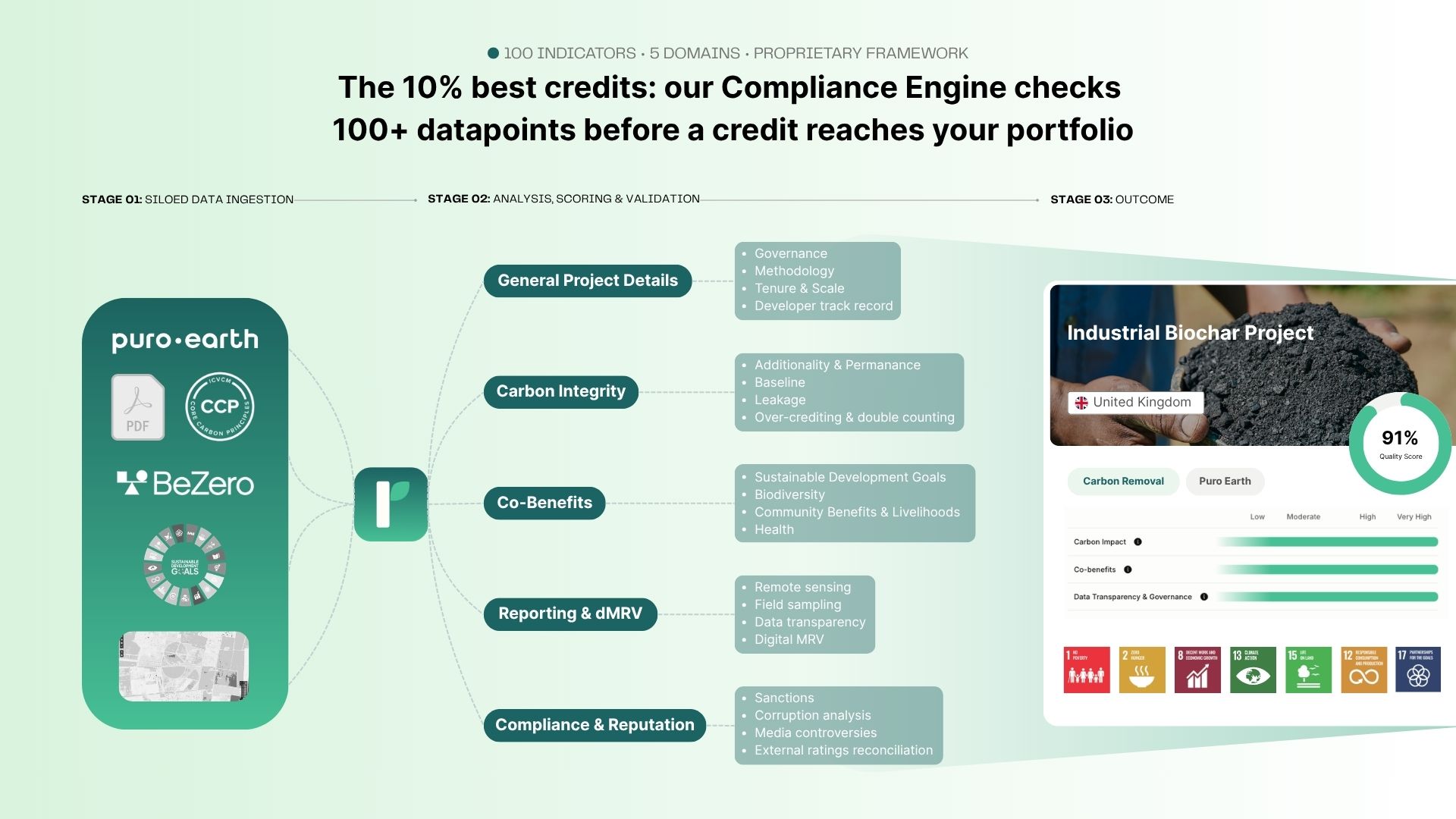
For organizations using Regreener's quality framework, these five projects score in the top 10% of the market. We selected them based on ICVCM approval, our proprietary risk model of 100+ data points, market liquidity, and co-benefits.
Case Studies: learn how companies leverage Regreener's selection of high-quality carbon credits
The 5 Best CCP-Label Carbon Credits of 2026
1. Brusque Landfill Gas Project (VCS4138) - Methane Capture in Brazil
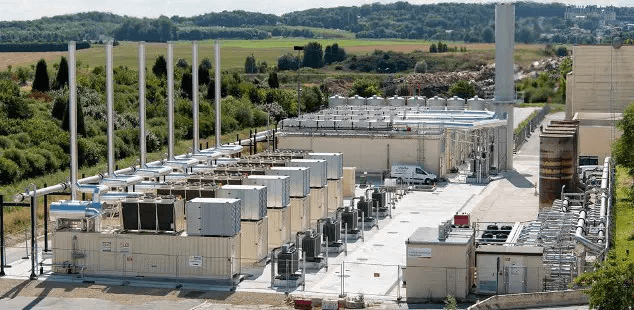
Location: Brusque, Brazil
Developer: Biofílica Ambipar
Methodology: Landfill gas capture and flaring
CCP status: CCP-approved — landfill gas methodologies (ACM0001, AMS-III.G) were among the first categories approved by the ICVCM (June 2024)
The Brusque Landfill Gas Project is a standout in the waste sector, capturing methane from a municipal landfill and converting it into clean energy. Methane, a potent greenhouse gas, is 28 times more harmful than carbon over a 100-year period, making this project a high-impact solution for immediate climate action.
Key benefits:
Reduces over 200,000 tonnes of carbon equivalent annually.
Improves local air quality and reduces health risks for nearby communities.
Generates renewable energy for the grid, displacing fossil fuel-based power.
Why it stands out: This project is one of the first in Latin America to use real-time monitoring technology, ensuring accurate measurement of emissions reductions. It’s ideal for companies with supply chain exposure in Brazil or those prioritizing UN Sustainable Development Goal 7 (Affordable and Clean Energy).
Best for: Retailers, manufacturers, and logistics firms with Scope 3 emissions in the region.
2. Project Loblolly (ISMV093) - Improved Forest Management in the United States
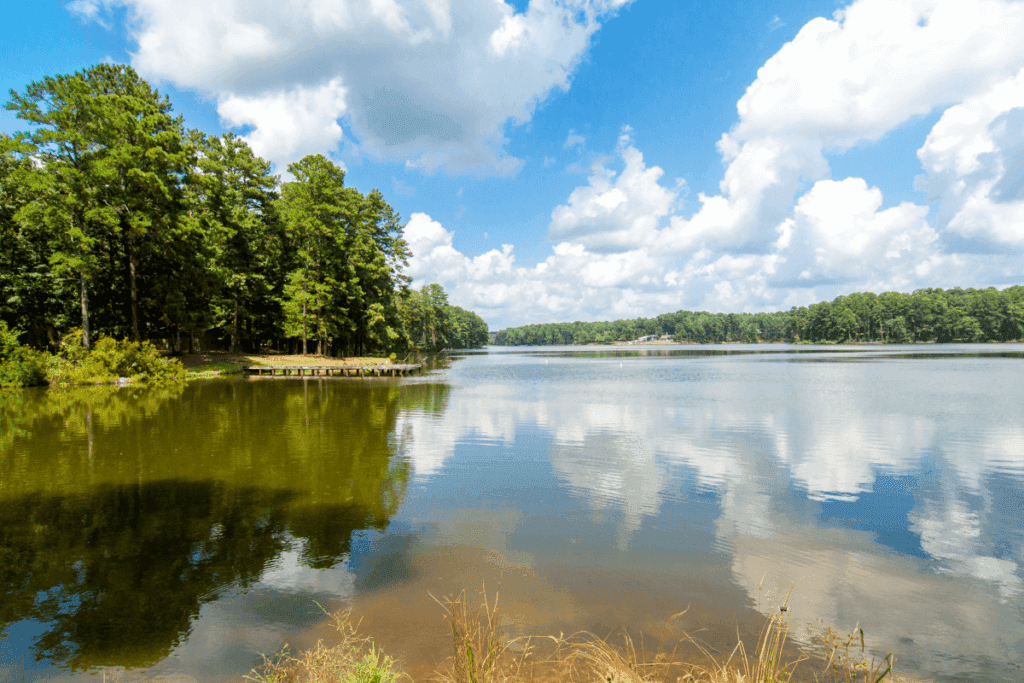
Location: Mississippi, USA
Developer: The Nature Conservancy
Methodology: Improved forest management
CCP status: CCP-approved — IFM methodologies were assessed and approved by the ICVCM in August 2025
Project Loblolly protects and sustainably manages over 10,000 acres of southern pine forest, a critical carbon sink. By preventing deforestation and promoting biodiversity, the project delivers long-term carbon sequestration while supporting local wildlife habitats.
Key benefits:
Sequesters over 500,000 tonnes of carbon equivalent over its lifetime.
Enhances resilience against climate change through sustainable timber practices.
Provides economic opportunities for rural communities.
Why it stands out: The project’s use of LiDAR technology for forest monitoring sets a new standard for transparency in nature-based solutions. It’s a top choice for businesses committed to science-based targets and nature-positive outcomes.
Best for: Corporations with nature-based carbon strategies, such as consumer goods or apparel brands.
3. Laizhou Landfill Gas Power Generation Project (VCS2452) - Landfill Gas Capture in China
Location: Laizhou, China
Developer: China Carbon Asset Management
Methodology: Landfill gas to electricity
CCP status: CCP-approved — landfill gas methodologies have been CCP-approved since June 2024
China’s rapid urbanization has led to a surge in waste-related emissions. The Laizhou project addresses this by capturing landfill gas and converting it into electricity, powering thousands of homes while avoiding methane releases.
Key benefits:
Prevents over 150,000 tonnes of carbon equivalent from entering the atmosphere annually.
Supports China’s national carbon market and regional air quality goals.
Creates jobs in renewable energy and waste management.
Why it stands out: As one of the largest landfill gas projects in Asia, Laizhou offers scalability and compliance with China’s strict environmental regulations. It’s a strategic fit for multinational companies operating in or sourcing from China.
Best for: Tech, automotive, and industrial sectors with operations in Asia.
4. Reducing Gas Leakages in Hududgaz Gas Distribution Networks (VCS4531) - Methane Capture in Uzbekistan
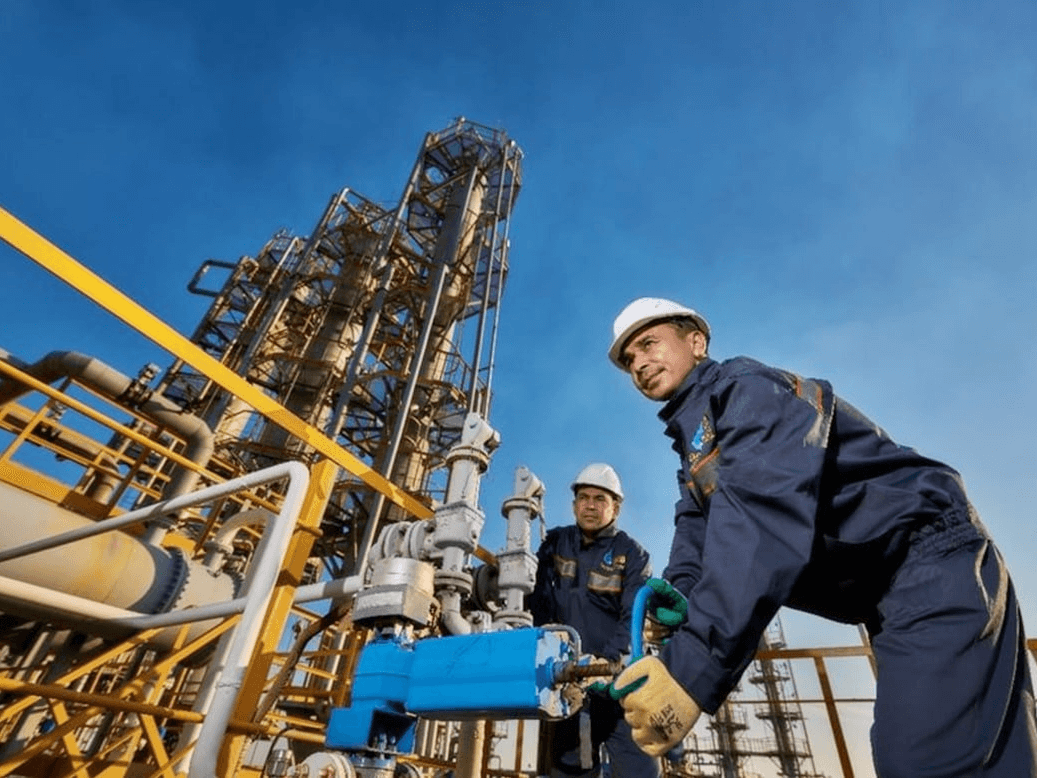
Location: Uzbekistan
Developer: Hududgaz
Methodology: Methane leakage reduction
CCP status: CCP-approved — the methodology for methane leakage reduction in gas distribution (AM0023) is CCP-approved
Methane leaks from gas distribution networks are a major but often overlooked source of emissions. This project upgrades infrastructure across Uzbekistan, cutting leaks by 90% in targeted areas.
Key benefits:
Avoids over 100,000 tonnes of carbon equivalent per year.
Improves energy efficiency and safety for local communities.
Aligns with the Global Methane Pledge, a key initiative for short-term climate action.
Why it stands out: Few projects tackle methane leaks at this scale in Central Asia, making it a unique opportunity for companies with energy-intensive supply chains.
Best for: Oil and gas companies, utilities, and businesses with Scope 3 emissions in Central Asia.
5. Tradewater – Thailand 6 (ACR937) – Collecting Refrigeration Gases
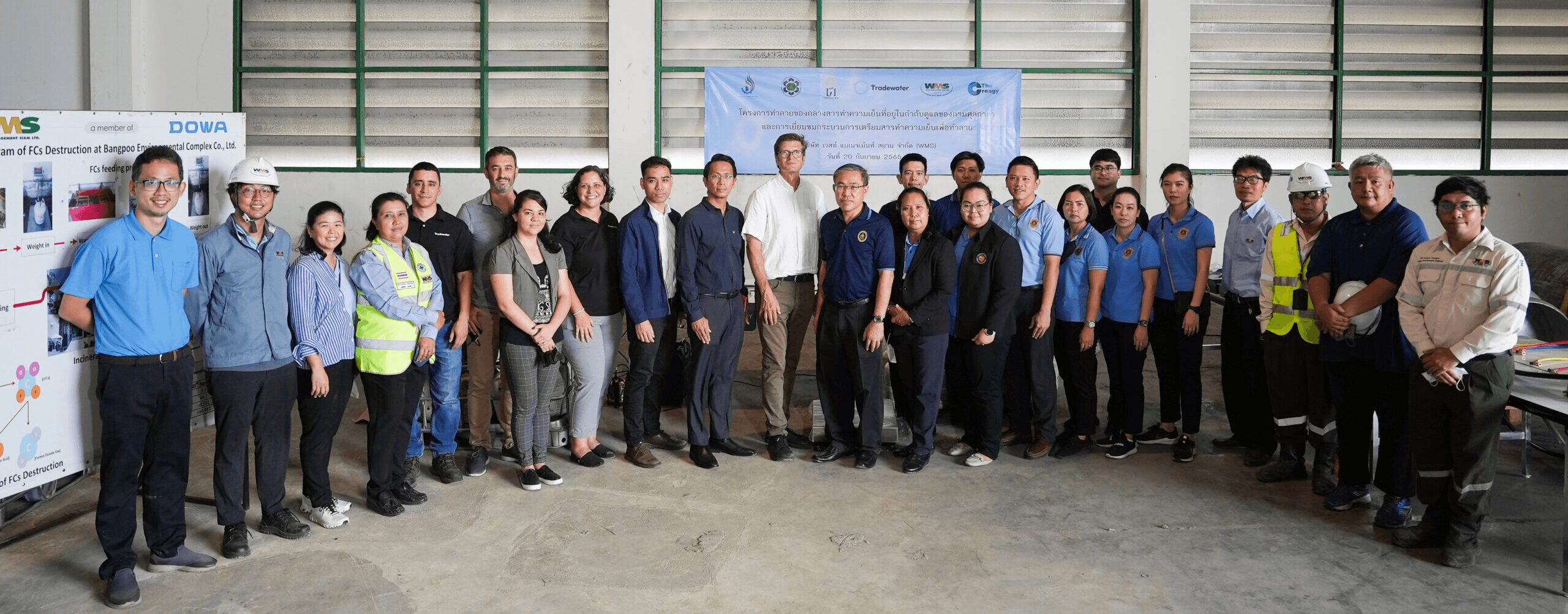
Location: Thailand
Developer: Tradewater
Methodology: Destruction of ozone-depleting substances (ODS)
CCP status: CCP-approved — ODS destruction was among the first categories approved by the ICVCM (June 2024)
Tradewater specializes in collecting and destroying refrigeration gases with extremely high global warming potential. The Thailand 6 project focuses on CFCs and HCFCs, preventing their release into the atmosphere.
Key benefits:
Eliminates the equivalent of 1 million tonnes of carbon over its lifetime.
Directly supports the Kigali Amendment to the Montreal Protocol.
Offers rapid, verifiable impact—ideal for companies with urgent offsetting needs.
Why it stands out: Tradewater’s serial-number tracking system ensures full traceability, from collection to destruction. This project is perfect for businesses seeking high-integrity, short-term carbon reductions.
Best for: Corporations with aggressive 2030 net-zero targets, such as tech giants and financial institutions.
Comparison Table of the Best CCP-labeled Projects of 2026
Project | Location | Type | Methodology | Annual reduction | CCP approval | SDG alignment |
|---|---|---|---|---|---|---|
Brusque Landfill Gas (VCS4138) | Brazil | Landfill gas → energy | ACM0001 | >200,000 tCO2e | June 2024 | SDG 7, 11, 13 |
Project Loblolly (ISMV093) | USA | Improved forest management | IFM (Isometric) | ~500,000 tCO2e (lifetime) | August 2025 | SDG 13, 15 |
Laizhou Landfill Gas (VCS2452) | China | Landfill gas → electricity | AMS-III.G | >150,000 tCO2e | June 2024 | SDG 7, 11, 13 |
Hududgaz Gas Network (VCS4531) | Uzbekistan | Methane leakage reduction | AM0023 | >100,000 tCO2e | June 2024 | SDG 7, 9, 13 |
Tradewater Thailand 6 (ACR937) | Thailand | ODS destruction | ACR ODS | ~1M tCO2e (lifetime) | June 2024 | SDG 9, 12, 13 |
Want to know which CCP-labeled credits fit your company's climate strategy? Book a free consultation Today.
What Do CCP-Labeled Carbon Credits Cost?
CCP-labeled carbon credit prices vary significantly by project type — and that's exactly the point. The voluntary carbon market in 2026 has bifurcated sharply: generic avoidance credits without a quality label have dropped below $1 per tonne, while high-integrity credits carrying the CCP label trade at multiples of that. The price gap reflects not just quality but also the risk buyers face with cheap credits — reputational damage, potential future invalidation, or non-compliance with reporting frameworks.
Within the CCP segment, there are wide differences by category. Landfill gas and methane projects (like Brusque, Laizhou, and Hududgaz in this article) typically trade in the $5–$15 per tonne range — affordable, scalable, and well-suited as the foundation of a portfolio. Improved forest management (IFM) and REDD+ credits tend to sit higher, around $10–$35 per tonne depending on location, vintage, and co-benefits. ODS destruction (like Tradewater) moves in a similar range. At the top end of the market sit tech-based removal credits such as biochar ($100–$200+/tonne) and direct air capture ($300–$1,000+/tonne) — not featured in this overview, but increasingly relevant now that the ICVCM has approved these methodologies as well.
For most companies, a realistic starting budget for a CCP-labeled portfolio is €8–€30 per tonne, depending on the mix of avoidance and removal, desired co-benefits, and vintage. These prices are expected to rise further in the coming years as the supply of high-quality credits fails to keep pace with growing demand. Buying now means locking in relatively favorable price levels. Get in touch with Regreener for a tailored price indication based on your offset volume and climate strategy.
How to Evaluate CCP-Labeled Carbon Credits
The CCP label guarantees that the methodology and program meet rigorous standards — but not all CCP-labeled projects perform equally. To select the right credits for your company, five factors make the difference:
Alignment with your climate strategy. Does the project address emissions sources that are material to your sector? A logistics company with Scope 3 exposure in Asia needs different credits than a tech company targeting net-zero by 2030.
Avoidance vs. removal. The CCP label covers both emissions reductions (avoidance) and carbon removals. For a future-proof portfolio, it's wise to combine both — avoidance for immediate impact, removals for long-term climate debt.
Co-benefits and SDG alignment. Does the project deliver additional social or environmental benefits, such as biodiversity protection, job creation, or improved air quality? Strong co-benefits strengthen your offsetting narrative with stakeholders.
Independent project rating. The CCP label assesses at the methodology level, not the project level. Supplement it with independent rating agencies like Calyx Global or BeZero Carbon for project-specific risk assessments.
Price, liquidity, and vintage. Is the credit competitively priced? Can it be traded if needed? And is the vintage (year of issuance) recent enough for your reporting requirements?
For a deeper dive, explore Regreener’s guide to carbon credit guide or learn more about how Regreener assesses carbon credits in our Quality Framework.
"CCP-labeled credits command a price premium over non-labeled credits, reflecting higher buyer confidence and market integrity."
CCP Label vs. Other Carbon Credit Quality Standards
The CCP label is not the only way to assess carbon credit quality — but it is the only standard that is broadly recognized as a market-wide benchmark. How does it compare to other quality frameworks?
The CCP label (ICVCM) assesses quality at the program and methodology level. It verifies that the rules are sound, but does not evaluate individual projects. Think of the CCP label as a seal on the system: if the methodology and program qualify, all credits issued under that combination can carry the label.
Independent rating agencies like Calyx Global, BeZero Carbon, and Sylvera assess quality at the project level. They assign individual scores based on factors such as additionality risk, permanence, and quantification accuracy. These ratings are a valuable complement to the CCP label, because they differentiate between projects where the CCP label does not.
Verra, Gold Standard, and ACR are the carbon-crediting programs themselves — they develop methodologies, register projects, and issue credits. The CCP label is applied on top of these programs as an additional quality layer.
Regreener's proprietary quality model combines elements from all these approaches. We assess projects on over 100 data points, including CCP status, independent ratings, country risk, co-benefits, and market liquidity. This allows us to build portfolios that don't just check boxes on paper but deliver real-world impact.
The best strategy for buyers? Use the CCP label as a first filter, consult independent ratings for project selection, and work with a specialist who sees the full picture. Get in touch to discuss how we can set this up for your company.
CCP Label Developments in 2026
The CCP label has come a long way in a short time. Where mid-2024 saw only seven approved methodologies — primarily landfill gas and ODS destruction — the landscape in 2026 has fundamentally changed.
Expansion into new project types. The ICVCM has now approved methodologies for biochar (Isometric, Verra VM0044, CAR), improved forest management (Verra VM0045, ACR IFM v2.0/v2.1), REDD+ (Verra VM0048), cookstoves (Verra VM0050), rice methane (Gold Standard), sustainable agriculture (Verra VM0042, CAR Soil Enrichment), and even direct air capture and geological carbon storage via Isometric. This means buyers can now choose from a much broader range of CCP-labeled project types.
Growing volumes. As of early 2026, approximately 105 million credits have been approved for the CCP label, with 52 million available and 53 million already retired. In 2025, CCP retirements doubled from 3% to 7% of total market volume. With existing REDD+ projects transitioning to the new VM0048 methodology, available CCP volumes are expected to grow significantly through 2026.
Milestones. In February 2026, Verra issued the first CCP-labeled cookstove credits under VM0050, for the UpEnergy project in Nigeria. Isometric received approval for five carbon removal protocols, including direct air capture and geological biomass storage — a first. And the ICVCM expanded the number of CCP-Eligible programs to eight.
Regulatory alignment. An increasing number of governments and multilateral institutions are integrating the Core Carbon Principles into their own frameworks. Singapore referenced CCP-approved methodologies in its latest carbon credit tenders. The VCMI Claims Code prescribes the use of CCP-approved credits as a condition for credible corporate climate claims.
For buyers, the takeaway is clear: the CCP label is no longer a niche certification but the standard around which the market is organizing. Investing in CCP-labeled credits today means staying ahead of regulation and building a future-proof portfolio.
Next Steps: Buying Core Carbon Principles Credits in 2026
These five projects demonstrate what the CCP label means in practice: verified impact, rigorous methodological assessment, and transparency on results. They span different project types — from landfill gas capture and forest management to methane leakage reduction and ODS destruction — making them suitable building blocks for a diversified offsetting portfolio.
But choosing the right credits takes more than checking a list. It requires a strategy that fits your sector, your emissions profile, and your reporting obligations. As a B Corp-certified specialist, Regreener advises 200+ companies on building high-quality carbon credit portfolios.
Wondering which CCP-labeled credits fit your climate strategy? Book a free consultation →