have us call you right now.

The 5 Best Carbon Credit Providers in 2026

The 5 Best Carbon Credit Providers in 2026

Last updated:

Apr 29, 2025

Apr 29, 2025

8 minute read

8 minute read

TL;DR

Choosing the right carbon credit provider can make or break your company's climate strategy. With tighter regulations, rising quality standards, and growing greenwashing scrutiny, businesses need a provider that delivers verified impact — not just certificates. We evaluated five leading carbon credit providers in 2026 on project quality, verification rigour, pricing transparency, and strategic support to help you make an informed decision.

The 5 best carbon credit providers of 2026: comparison & buying guide

  • The global carbon credit market is growing fast, offering companies a powerful way to offset emissions and contribute to climate goals.

  • This guide explains what carbon credits are, how the carbon market works, and why carbon offsetting is becoming essential.

  • We compare the 5 best carbon credit providers in 2026.

  • We reviewed Regreener, South Pole, ClimatePartner, Anthesis, and Rabo Carbon Bank based on impact, verification, and innovation.

  • Whether you're just starting or scaling your climate strategy, this guide helps you choose a trusted provider and avoid common pitfalls.

Would you like to start offseting right away? Discover the possibilities here.

Introduction

The fight against climate change requires innovative solutions, with carbon credits playing a crucial role in achieving sustainability goals. These tradable emission rights provide companies and organizations with the opportunity to offset their climate impact and contribute to a greener future.

The carbon credit market is on the brink of significant growth. Experts project that the market value will increase exponentially after 2025, driven by (Precedence):

  • Tighter regulations regarding CO2 emissions

  • Increasing demand for sustainable business practices

  • Growing awareness of climate change

  • Technological innovation: new technologies are driving reductions in greenhouse gas emissions.

Leading players are developing increasingly advanced solutions to help companies offset their emissions. This development strengthens confidence in the carbon credit market and stimulates further growth.

The voluntary carbon market is expected to grow to a value between $7 billion and $35 billion by 2030, with some forecasts projecting up to $250 billion by 2050 (MSCI). This growth reflects the increasing importance of climate action and the essential role that carbon credits play in achieving global climate goals.

"In 2026, the best carbon credit providers differentiate on verification rigour and portfolio transparency — not price alone."

an overview of projections for the voluntary carbon market growth and reasons why it growing

What are carbon credits?

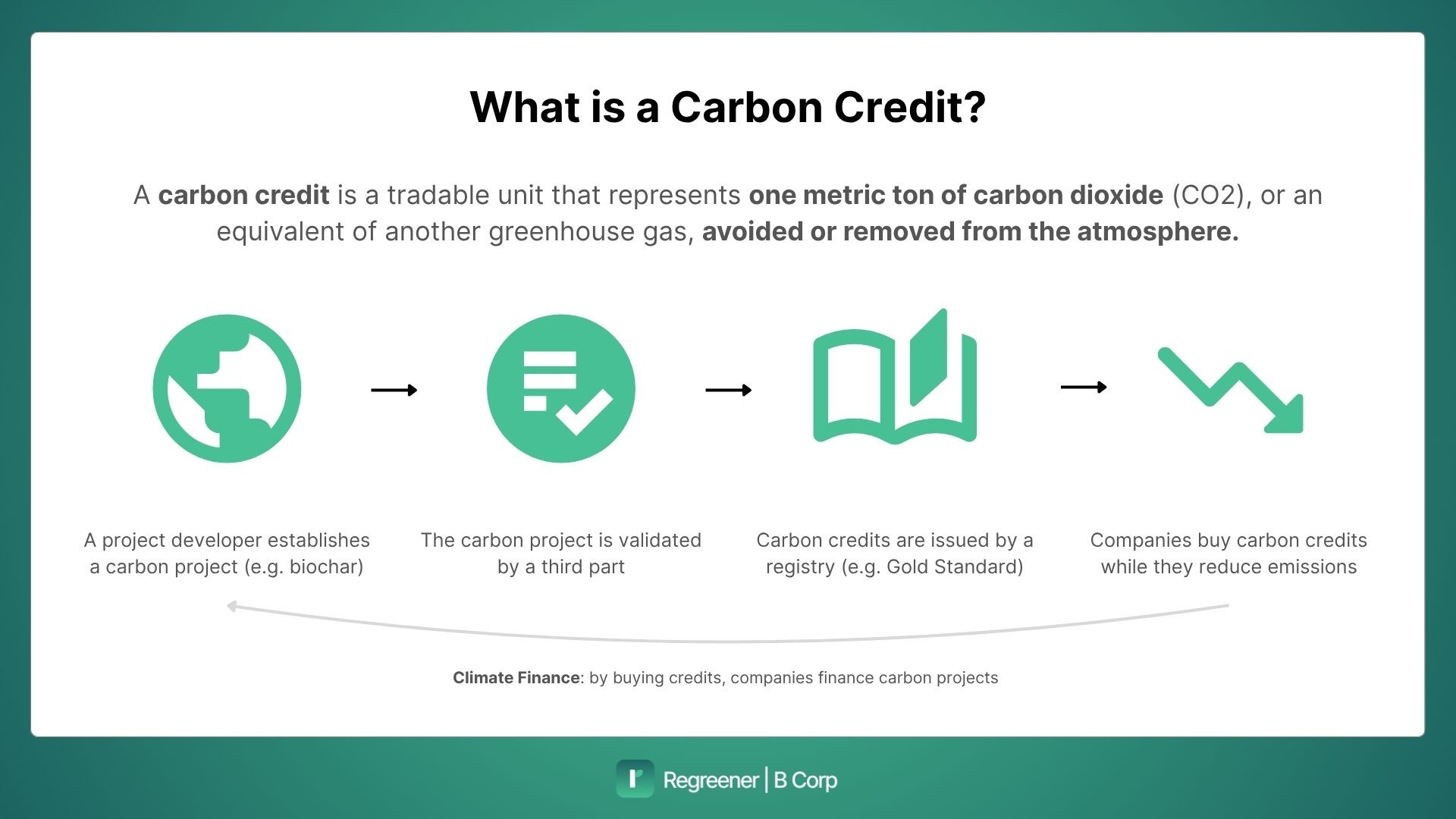
Carbon credits are tradable permits that give companies the right to emit a specific amount of greenhouse gases. One carbon credit is equivalent to one ton of CO2 emissions or the equivalent in other greenhouse gases.

These credits function as a financial instrument within two different market systems:

  • Compliance market: a mandatory system where governments impose emission caps on companies. Organizations that stay below their assigned limit can sell excess credits to companies that exceed their limit.

  • Voluntary market: here, companies and individuals voluntarily purchase carbon credits to offset their emissions. This market encourages innovative projects for emission reduction.

The system works as a cap-and-trade mechanism:

  1. Companies receive or purchase emission rights

  2. They can trade these rights among themselves

  3. At the end of each year, they must have enough credits to cover their emissions

This trading system creates a financial incentive for companies to reduce their emissions. Organizations that operate efficiently and emit little can make a profit by selling their surplus credits to less efficient companies.

There are two types of carbon credits:

  • Carbon removal: actively removing CO2 from the atmosphere

  • Carbon avoidance: preventing new emissions from entering the atmosphere

The importance of carbon offsetting

Carbon offsetting plays a crucial role in reducing the environmental impact of companies and individuals. This strategy allows organizations to compensate for their unavoidable CO2 emissions by investing in projects that remove or prevent greenhouse gases from entering the atmosphere.

Would you like to better understand how offsetting fits into the broader sustainability picture? Read more about the difference between carbon neutral and net zero.

Want to know which credits fit your company's climate strategy?

Book a free consultation today

Why carbon offsetting is more than just compensation

For some companies, carbon offsetting feels like a box to tick. But for businesses that take climate seriously, it’s part of a bigger strategy. One that’s about progress, not perfection.

Carbon offsetting isn’t a license to pollute. It’s a way to take responsibility for the emissions you can’t (yet) avoid, while supporting projects that actively protect or restore the planet.

Done right, offsetting can:

  • Support nature-based solutions like reforestation and regenerative agriculture

  • Fund clean energy access and low-emission technologies in emerging economies

  • Create local jobs and improve livelihoods in climate-vulnerable communities

  • Deliver measurable environmental and social impact, not just abstract claims

It also signals something important to your stakeholders: you’re not just making promises, you’re acting.

Benefits for companies

Companies that apply carbon offsetting experience numerous benefits in various areas. Firstly, they see a significant improvement in their reputation with both customers and key stakeholders. This often translates into a stronger brand and better customer relationships. In addition, carbon offsetting provides a cost-effective way to reduce greenhouse gas emissions, especially compared to direct operational changes.

The measurable results that arise from this are valuable for sustainability reporting and help in achieving ESG objectives. In a market where climate awareness is becoming increasingly important, this gives companies a clear competitive advantage. They can differentiate themselves from competitors and respond to the growing demand for sustainable products and services.

3 reasons to buy carbon credits visualised

Impact on local communities

The impact of carbon offsetting extends to local communities where compensation projects take place. These projects create employment opportunities, protect ecosystems, and promote sustainable development in various regions.

Compliance and voluntary programs

The carbon market consists of two main categories: compliance markets and voluntary markets. These programs form the backbone of the global system for emission reduction.

Compliance markets

Compliance markets are mandatory programs where countries or companies must achieve their emission targets through carbon offsetting. Some key compliance markets include:

  • Clean Development Mechanism (CDM): A UN program that certifies emission reductions in developing countries

  • Regional Greenhouse Gas Initiative (RGGI): A partnership between US states for CO2 reduction

  • EU Emissions Trading System (EU ETS): The largest cap-and-trade system in the world

Voluntary markets

On the other hand, voluntary markets allow companies and individuals to voluntarily purchase carbon offsets, in addition to the required emission reductions. Key players in the voluntary markets include:

  • Verra: Manages the Verified Carbon Standard (VCS) programme with strict certification requirements

  • Gold Standard: Certifies projects with a focus on sustainable development and social impact

  • American Carbon Registry: Specialises in North American projects

  • Oncra: Certifies projects in Europe

  • Puro.earth: Focuses on carbon removal project

Certification bodies that ensure quality

The quality of carbon credits is ensured by independent certification organizations. These entities follow strict protocols for project validation, emission reduction verification, and monitoring of long-term effects. An important aspect of this is the prevention of double-counting, where the same emission reduction cannot be claimed more than once. This systematic approach ensures that the integrity of the carbon credit system is maintained and that companies can rely on the effectiveness of their investments in climate compensation.

The expected growth of carbon credits in 2026 stimulates the development of new certification methods and trading systems. Companies can choose from a wide range of certified projects, ranging from reforestation to renewable energy initiatives.

How we ranked these carbon credit providers

Not all carbon credit providers deliver the same quality, transparency, or support. To create this comparison, we assessed each provider across five weighted criteria:

  1. Project quality & verification (30%) — Are projects certified by recognised standards (Verra VCS, Gold Standard, Puro Earth)? Does the provider screen for additionality, permanence, and co-benefits beyond the registry baseline? Do their projects align with the ICVCM Core Carbon Principles?

  2. Pricing transparency (20%) — Is pricing clearly communicated upfront? Can you see what you're paying per tonne and how the price breaks down between project cost, intermediary margin, and retirement fees?

  3. Portfolio diversity (20%) — Does the provider offer both carbon removal and carbon reduction projects? Is there geographic diversity? Can you build a balanced portfolio across nature-based and technology-based solutions?

  4. Strategic support & reporting (20%) — Does the provider help you integrate offsetting into your wider climate strategy? Do they support CSRD reporting, SBTi alignment, or stakeholder communication?

  5. Innovation & market reputation (10%) — Is the provider investing in new methodologies, better verification technology, or sector-leading thought leadership?

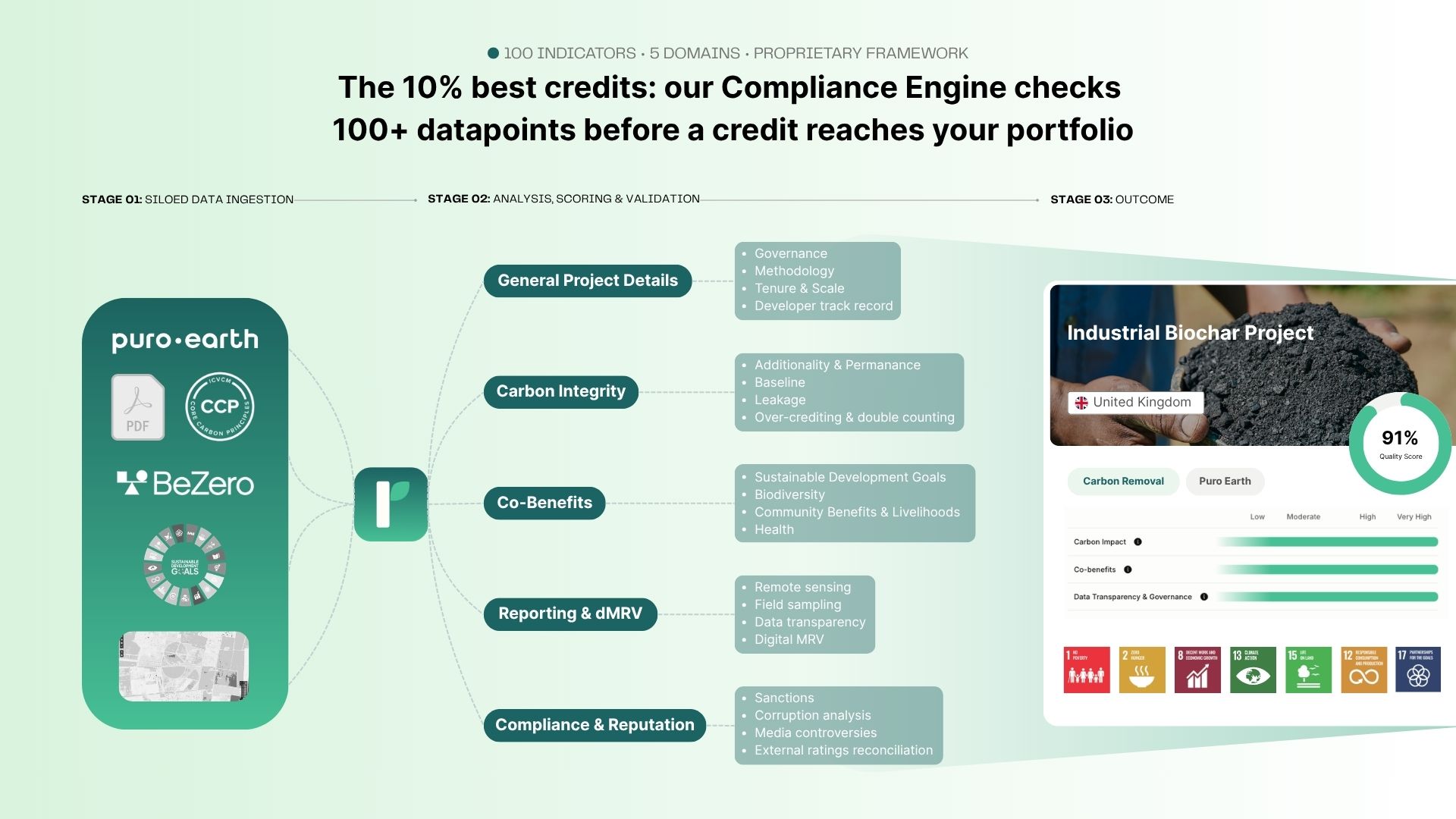
At Regreener, we evaluate every carbon credit project using a proprietary framework of over 100 quality indicators — covering additionality, permanence, governance, co-benefits, and risk factors. That lens informed how we assessed each provider in this guide.

💡 Expert tip: Don't choose a carbon credit provider on price alone. The cheapest credit often carries the highest reputational risk. Focus on verification rigour, portfolio transparency, SBTi alignment and whether the provider can evidence impact under the ICVCM Core Carbon Principles.

Bernard de Wit, Founder

The 5 best carbon credit providers in 2026

The carbon credit market has a number of leading players who stand out for their innovative approach and measurable impact. These providers play a crucial role in connecting companies with sustainable projects and facilitating effective emission reductions.

Provider

Key focus / USP

Best suited for

Regreener

Qualitative and verified climate projects, local and international

SMEs or large companies seeking tangible and validated impact

South Pole

Global net-zero strategy consulting

Large enterprises

ClimatePartner

All-in-one carbon offsetting platform

SMEs and companies looking for a digital, end-to-end solution

Anthesis

Sustainability consultancy & strategy

Large organizations with complex, sector-specific needs

Rabo Carbon Bank

Direct farmer-to-business connection

Companies focused on Dutch agriculture and the food supply chain

Want to know which credits fit your company's climate strategy?

Book a free consultation today

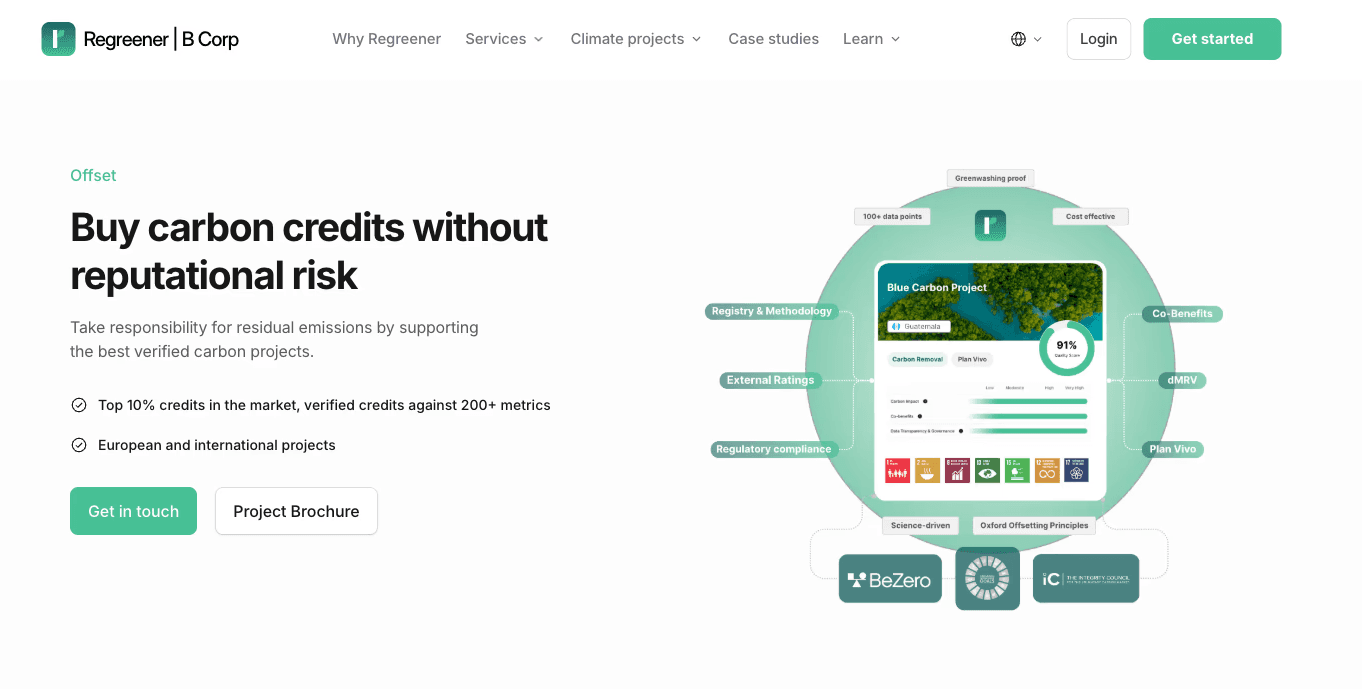
1. Regreener

Screenshot of the Regreener website

Regreener is a B Corp-certified carbon credit provider that combines rigorous project vetting with hands-on strategic support. Unlike marketplace platforms where you self-serve, Regreener acts as an extension of your sustainability team — helping you build a portfolio that's defensible, diversified, and aligned with your climate goals.

Every project in Regreener's portfolio is screened using a proprietary framework of over 100 quality indicators, covering additionality, permanence, social impact, governance, and environmental co-benefits. This makes it one of the most rigorous screening processes in the European voluntary carbon market.
Regreener supports over 200 companies across Europe, including clients in water utilities, manufacturing, and professional services. As a certified B Corp, the company is independently verified for meeting high standards of social and environmental performance.

"Regreener evaluates every project across 200+ quality data points, making it one of the most rigorous screening processes in the European voluntary carbon market."

Key points of Regreener's approach:

The company distinguishes itself by its science-based approach and strict verification processes. Each project is thoroughly evaluated based on:

  • Additionality

  • Permanentness

  • Social impact

  • Environmental benefits

Regreener's project portfolio includes two main categories: carbon removal and carbon reduction projects. Carbon removal focuses on natural solutions such as reforestation initiatives, regenerative agriculture, improved soil carbon storage, and innovative projects involving biochar, direct air capture (DAC), seaweed and mangroves.

Want to know which credits fit your company's climate strategy?

Book a free consultation today

Strengths

  • Proprietary 100+ datapoint quality framework — one of the most thorough in the market

  • B Corp certified — third-party validation of social and environmental standards

  • Hands-on, advisory approach — acts as an extension of your team, not just a transaction platform

  • Balanced portfolio of removal and reduction projects across multiple geographies

  • Strong alignment with ICVCM Core Carbon Principles and emerging quality standards

  • Dutch and European market expertise with international project reach

Best For

Companies that want verified, high-integrity carbon credits with strategic guidance. Particularly strong for European companies that need a provider who understands CSRD reporting requirements and EU regulatory context.

Case Studies: learn how Regreener supports 200+ companies across Europe with verified carbon credit portfolios, including clients in manufacturing, professional services and retail.

2. South Pole

South Pole, based in Switzerland, has developed into a leading player in the global carbon credit market. The company is known for its innovative approach and extensive portfolio of sustainability projects.

Main activities of South Pole:

  • Development of customized climate action strategies

  • Implementation of certified emission reduction projects

  • Guiding companies in their net-zero objectives

South Pole collaborates with various sectors on projects that generate measurable impact. Their projects range from:

  • Protection of tropical rainforests

  • Support for renewable energy projects

  • Implementation of energy-efficient technologies in developing countries

South Pole's expertise in developing high-quality carbon credits makes the company a reliable partner for organizations looking to achieve their climate goals. Their projects not only contribute to CO2 reduction but also create positive impact for local communities.

The company has built a strong network in the European market and is expanding its activities into emerging markets in Asia and Africa. This strategic position strengthens their role as an important facilitator in the growing carbon credit market towards 2026.

3. ClimatePartner

ClimatePartner has established itself as a leading player in the German carbon credit market. The company offers a comprehensive platform for businesses that want to offset their CO2 emissions through certified projects.

Key points of ClimatePartner's approach:

  • Transparent project selection

  • Certified climate protection projects worldwide

  • Digital tools for calculating CO2 footprint

  • Support in achieving climate neutrality

The platform stands out with an end-to-end solution for companies. From the first CO2 calculation to the final compensation, ClimatePartner guides organizations at every step of their sustainability journey.

The technological infrastructure of ClimatePartner enables companies to:

  • Accurately measure their CO2 emissions

  • Implement targeted reduction measures

  • Offset remaining emissions through high-quality projects

  • Communicate transparently about climate actions

The company works with more than 5,000 clients in various sectors, from manufacturing to services. Through this broad approach, ClimatePartner makes a significant contribution to the growth of the voluntary carbon market in Germany and beyond.

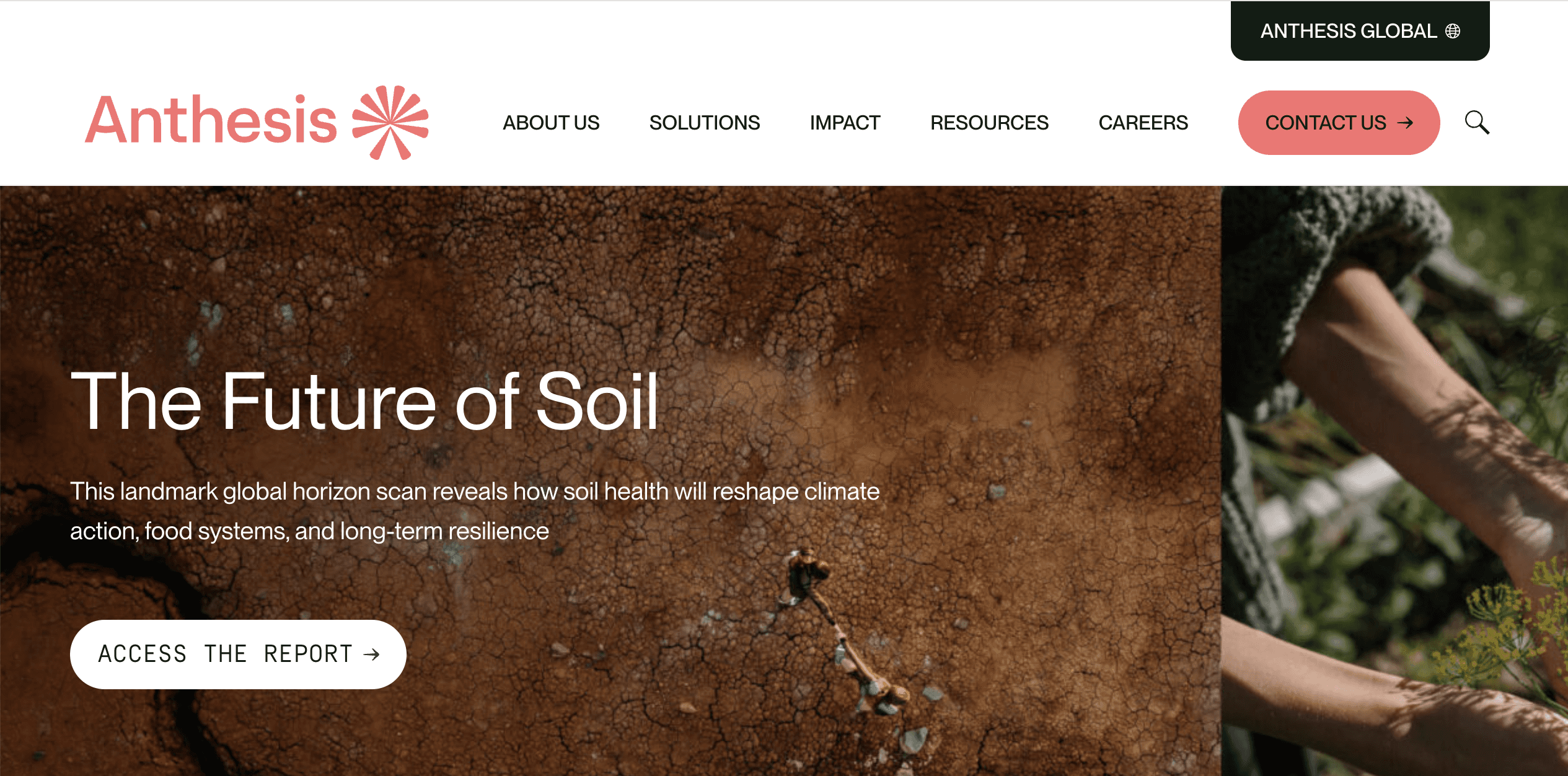
4. Anthesis

Screenshot of Anthesis website

Anthesis is a leading British consultancy organization in the field of sustainability and carbon management. The company provides advanced solutions for businesses navigating the complex world of carbon credits.

Key points of Anthesis:

  • Data-driven decision-making for carbon strategies

  • Comprehensive environmental impact assessments

  • Customised advice for sector-specific challenges

  • Innovative technological solutions for emissions management

The company plays a crucial role in the UK's transition to a net-zero economy by helping businesses with:

  • Identifying cost-effective carbon credit opportunities

  • Developing long-term sustainability strategies

  • Validating and verifying emission reductions

Anthesis's unique approach combines practical business knowledge with in-depth technical expertise. Their consultants work closely with organizations to develop tailored solutions that align with specific industry needs and regulatory requirements.

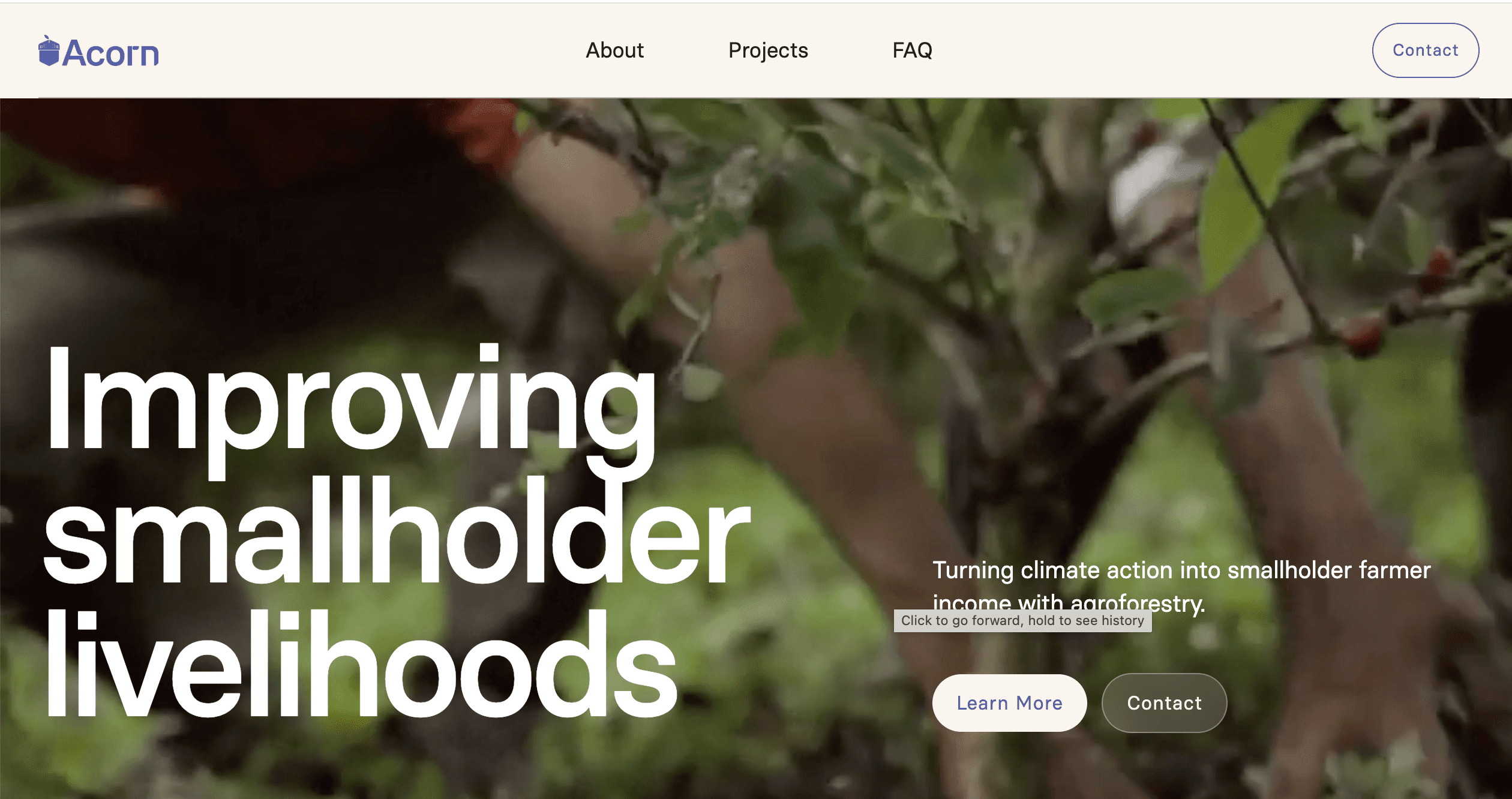
5. Rabo Carbon Bank

Screenshot of Rabo Carbon Bank, Acorn

Rabo Carbon Bank, an initiative of Rabobank Nederland, offers an innovative approach to trading carbon credits. This bank connects farmers directly with companies that want to offset their CO2 emissions, resulting in a transparent and efficient system.

The bank works closely with Verra, a leading certification body that ensures the quality of carbon offset projects through their Verified Carbon Standard (VCS). This provides:

  • Reliable verification of CO2 reduction

  • Strict monitoring of project results

  • Standardized measurement methods

Rabo Carbon Bank distinguishes itself by its focus on regenerative agriculture. Farmers receive financial support for:

  • Implementing sustainable farming practices

  • Increasing carbon storage in the soil

  • Improving biodiversity

The bank employs a unique revenue model where farmers receive up to 80% of the proceeds from carbon credits. This approach encourages the adoption of climate-friendly farming methods and strengthens the position of Dutch farmers in the international carbon market.

Would you like to know more? Discover the opportunities here.

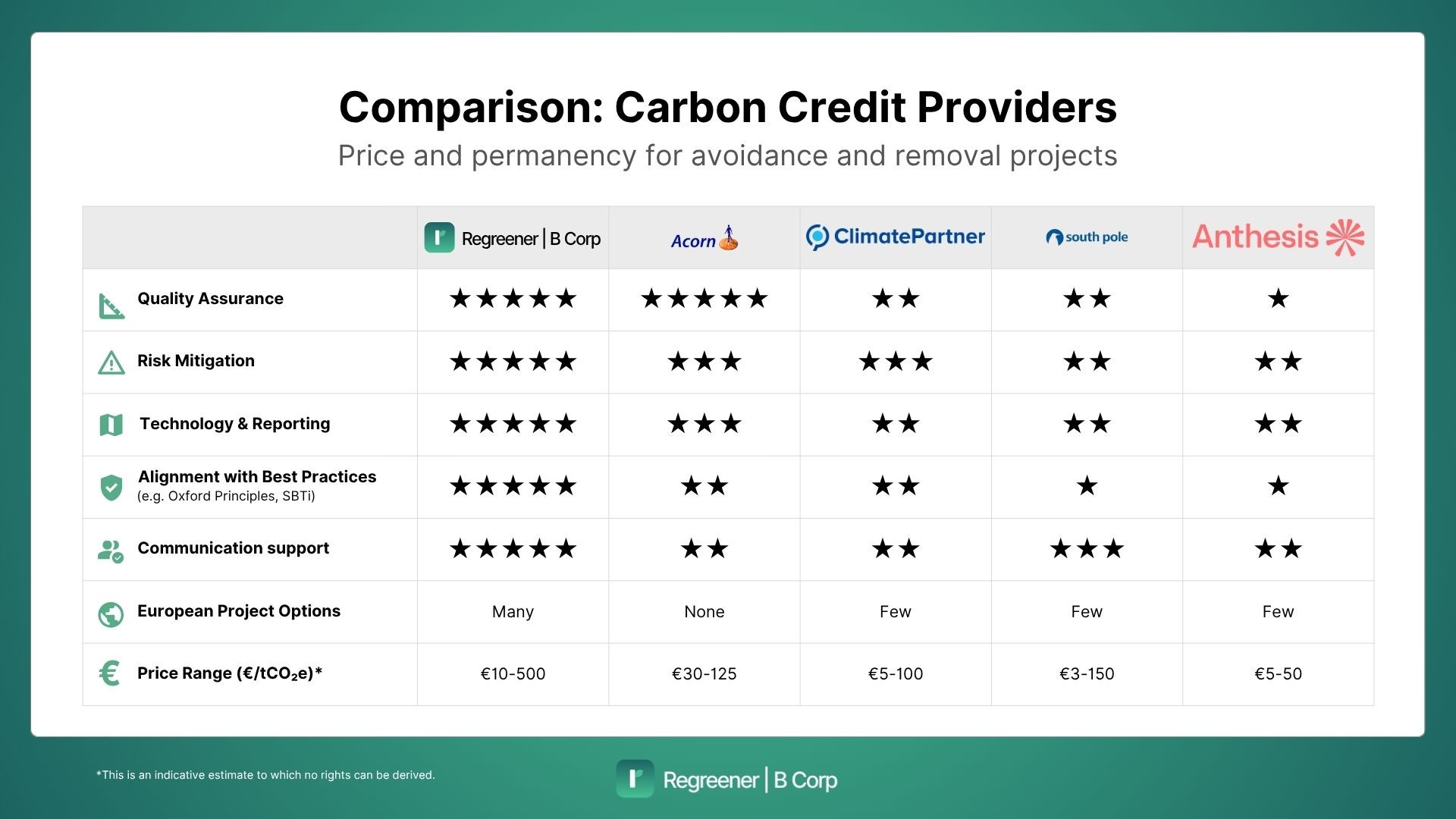
comparison of the best carbon credit provders

Future trends in the CO2 market

The voluntary carbon market is on the brink of explosive growth. Market analyses indicate an expected valuation between $100 billion and $250 billion by 2030. This growth is driven by:

  • Increasing corporate investments in high-quality carbon offset projects

  • Tighter regulations regarding emission reduction

  • Technological innovations in the verification and tracking of carbon credits

The market is evolving towards a more standardized system with improved certification methods. Blockchain technology is being used for transparent transactions, while AI-driven monitoring ensures accurate measurements of project impact. These technological innovations contribute to a more reliable and efficient carbon market.

Companies are increasingly focusing on local offset projects a with direct impact on communities. This trend strengthens the connection between climate action and social development.

The emerging sectors in the CO2 market show promising diversification. Regenerative agriculture is gaining ground as an effective method for carbon sequestration, where farmers are rewarded for sustainable farming practices that retain CO2 in the soil.

Blue carbon projects, aimed at protecting and restoring marine ecosystems such as mangroves and seagrass, demonstrate that oceans play a crucial role in natural carbon storage. In addition, direct CO2 capture from the air is undergoing rapid development, using innovative technologies to remove greenhouse gases directly from the atmosphere and store them permanently.

The prices of carbon credits are expected to rise due to increasing demand and quality requirements. This stimulates investments in new technologies and innovative carbon sequestration projects.

Challenges and risks in the CO2 market

The carbon market faces various complex challenges that can affect the effectiveness of carbon offsetting. A critical issue lies with the verification standards. Validating actual emission reductions remains a technical challenge, with different measurement methods and standards leading to inconsistent results.

The risk of greenwashing is a growing concern within the sector. Companies can use carbon credits as window dressing without making substantial changes to their operations. This undermines the credibility of the entire carbon market.

"The ICVCM's Core Carbon Principles are fast becoming the industry benchmark for credit quality — and not all providers' portfolios meet the threshold."

The market is also facing the problem of low-quality offsets. Projects without permanent CO2 reduction occur regularly, undermining the effectiveness of carbon offsetting. There is also double-counting of emission reductions when multiple parties claim the same reduction.

In addition, many projects suffer from insufficient additionality, meaning they would have been carried out even without the carbon credits. Another significant problem is the lack of transparency in the value chain, making it difficult to verify the actual impact of offsetting projects.

The presence of these low-quality offsets damages trust in the market and reduces the effectiveness of climate action. Stricter regulation and standardization are needed to address these challenges. Innovative technologies such as blockchain can contribute to improved verification and transparency in the sector.

Worried about greenwashing?

Our projects are science-backed and guarantee additionality and stringent verification. Find out more about the Quality Framework we use to validate project impact.

Carbon credit pricing: how much does offsetting cost?

The cost of one carbon credit (one tonne of CO2​ offset) varies widely and is critical to your total investment. Prices generally range between €5 and over €100 per tonne of CO2​, depending on the project quality.

Three factors determine the price:

  1. Project type (Removal vs. Reduction): Projects that actively remove CO2​ from the atmosphere (like Direct Air Capture or certain nature-based solutions) are significantly more expensive than those that reduce future emissions (such as preventing deforestation or funding clean cooking stoves).

  2. Certification and standard: Credits with the highest verification standards (like Gold Standard or Verra’s VCS) are pricier because they offer the highest guarantee of additionality and social impact.

  3. Location and scale: Large-scale projects can be more cost-efficient, but there is a growing trend to invest in local projects (such as those by Regreener or Rabo Carbon Bank) which may command higher prices due to their measurable local impact and transparency.

"Carbon credit prices in 2026 range from €5 to over €100 per tonne, with removal credits commanding a significant premium over reduction credits."

Looking for a personalised Quote?

Request your free carbon credit portfolio proposal

Conclusion

The carbon credit market of 2026 offers unprecedented opportunities for businesses and individuals to actively contribute to climate protection. High-quality carbon credit projects form the backbone of an effective climate strategy.

Investing in quality projects yields concrete benefits. Firstly, it provides a measurable impact on CO2 reduction, with results that can be accurately tracked and quantified. Secondly, it offers a transparent system for verifying results, ensuring the reliability of investments.

In addition, these projects positively contribute to local communities by stimulating employment and social development. Finally, it helps companies strengthen their sustainable business image, which is becoming increasingly important in a market where consumers and stakeholders attach growing importance to environmentally conscious business practices.

The expected growth to a market value of $100-250 billion confirms the growing importance of carbon credits as a tool for climate action.

How to get started:

  1. Calculate your carbon footprint

  2. Choose a reliable provider

  3. Invest in certified projects

  4. Monitor your impact

Start compensating your CO2 emissions today. Discover the opportunities here.

Carbon offsetting should always follow meaningful reduction efforts. Here’s how to build a strong carbon reduction strategy first.

Don’t see the answer to your question here?

Check out our Frequently Asked Questions (FAQ) or contact us.

TL;DR

Choosing the right carbon credit provider can make or break your company's climate strategy. With tighter regulations, rising quality standards, and growing greenwashing scrutiny, businesses need a provider that delivers verified impact — not just certificates. We evaluated five leading carbon credit providers in 2026 on project quality, verification rigour, pricing transparency, and strategic support to help you make an informed decision.

The 5 best carbon credit providers of 2026: comparison & buying guide

  • The global carbon credit market is growing fast, offering companies a powerful way to offset emissions and contribute to climate goals.

  • This guide explains what carbon credits are, how the carbon market works, and why carbon offsetting is becoming essential.

  • We compare the 5 best carbon credit providers in 2026.

  • We reviewed Regreener, South Pole, ClimatePartner, Anthesis, and Rabo Carbon Bank based on impact, verification, and innovation.

  • Whether you're just starting or scaling your climate strategy, this guide helps you choose a trusted provider and avoid common pitfalls.

Would you like to start offseting right away? Discover the possibilities here.

Introduction

The fight against climate change requires innovative solutions, with carbon credits playing a crucial role in achieving sustainability goals. These tradable emission rights provide companies and organizations with the opportunity to offset their climate impact and contribute to a greener future.

The carbon credit market is on the brink of significant growth. Experts project that the market value will increase exponentially after 2025, driven by (Precedence):

  • Tighter regulations regarding CO2 emissions

  • Increasing demand for sustainable business practices

  • Growing awareness of climate change

  • Technological innovation: new technologies are driving reductions in greenhouse gas emissions.

Leading players are developing increasingly advanced solutions to help companies offset their emissions. This development strengthens confidence in the carbon credit market and stimulates further growth.

The voluntary carbon market is expected to grow to a value between $7 billion and $35 billion by 2030, with some forecasts projecting up to $250 billion by 2050 (MSCI). This growth reflects the increasing importance of climate action and the essential role that carbon credits play in achieving global climate goals.

"In 2026, the best carbon credit providers differentiate on verification rigour and portfolio transparency — not price alone."

an overview of projections for the voluntary carbon market growth and reasons why it growing

What are carbon credits?

Carbon credits are tradable permits that give companies the right to emit a specific amount of greenhouse gases. One carbon credit is equivalent to one ton of CO2 emissions or the equivalent in other greenhouse gases.

These credits function as a financial instrument within two different market systems:

  • Compliance market: a mandatory system where governments impose emission caps on companies. Organizations that stay below their assigned limit can sell excess credits to companies that exceed their limit.

  • Voluntary market: here, companies and individuals voluntarily purchase carbon credits to offset their emissions. This market encourages innovative projects for emission reduction.

The system works as a cap-and-trade mechanism:

  1. Companies receive or purchase emission rights

  2. They can trade these rights among themselves

  3. At the end of each year, they must have enough credits to cover their emissions

This trading system creates a financial incentive for companies to reduce their emissions. Organizations that operate efficiently and emit little can make a profit by selling their surplus credits to less efficient companies.

There are two types of carbon credits:

  • Carbon removal: actively removing CO2 from the atmosphere

  • Carbon avoidance: preventing new emissions from entering the atmosphere

The importance of carbon offsetting

Carbon offsetting plays a crucial role in reducing the environmental impact of companies and individuals. This strategy allows organizations to compensate for their unavoidable CO2 emissions by investing in projects that remove or prevent greenhouse gases from entering the atmosphere.

Would you like to better understand how offsetting fits into the broader sustainability picture? Read more about the difference between carbon neutral and net zero.

Want to know which credits fit your company's climate strategy?

Book a free consultation today

Why carbon offsetting is more than just compensation

For some companies, carbon offsetting feels like a box to tick. But for businesses that take climate seriously, it’s part of a bigger strategy. One that’s about progress, not perfection.

Carbon offsetting isn’t a license to pollute. It’s a way to take responsibility for the emissions you can’t (yet) avoid, while supporting projects that actively protect or restore the planet.

Done right, offsetting can:

  • Support nature-based solutions like reforestation and regenerative agriculture

  • Fund clean energy access and low-emission technologies in emerging economies

  • Create local jobs and improve livelihoods in climate-vulnerable communities

  • Deliver measurable environmental and social impact, not just abstract claims

It also signals something important to your stakeholders: you’re not just making promises, you’re acting.

Benefits for companies

Companies that apply carbon offsetting experience numerous benefits in various areas. Firstly, they see a significant improvement in their reputation with both customers and key stakeholders. This often translates into a stronger brand and better customer relationships. In addition, carbon offsetting provides a cost-effective way to reduce greenhouse gas emissions, especially compared to direct operational changes.

The measurable results that arise from this are valuable for sustainability reporting and help in achieving ESG objectives. In a market where climate awareness is becoming increasingly important, this gives companies a clear competitive advantage. They can differentiate themselves from competitors and respond to the growing demand for sustainable products and services.

3 reasons to buy carbon credits visualised

Impact on local communities

The impact of carbon offsetting extends to local communities where compensation projects take place. These projects create employment opportunities, protect ecosystems, and promote sustainable development in various regions.

Compliance and voluntary programs

The carbon market consists of two main categories: compliance markets and voluntary markets. These programs form the backbone of the global system for emission reduction.

Compliance markets

Compliance markets are mandatory programs where countries or companies must achieve their emission targets through carbon offsetting. Some key compliance markets include:

  • Clean Development Mechanism (CDM): A UN program that certifies emission reductions in developing countries

  • Regional Greenhouse Gas Initiative (RGGI): A partnership between US states for CO2 reduction

  • EU Emissions Trading System (EU ETS): The largest cap-and-trade system in the world

Voluntary markets

On the other hand, voluntary markets allow companies and individuals to voluntarily purchase carbon offsets, in addition to the required emission reductions. Key players in the voluntary markets include:

  • Verra: Manages the Verified Carbon Standard (VCS) programme with strict certification requirements

  • Gold Standard: Certifies projects with a focus on sustainable development and social impact

  • American Carbon Registry: Specialises in North American projects

  • Oncra: Certifies projects in Europe

  • Puro.earth: Focuses on carbon removal project

Certification bodies that ensure quality

The quality of carbon credits is ensured by independent certification organizations. These entities follow strict protocols for project validation, emission reduction verification, and monitoring of long-term effects. An important aspect of this is the prevention of double-counting, where the same emission reduction cannot be claimed more than once. This systematic approach ensures that the integrity of the carbon credit system is maintained and that companies can rely on the effectiveness of their investments in climate compensation.

The expected growth of carbon credits in 2026 stimulates the development of new certification methods and trading systems. Companies can choose from a wide range of certified projects, ranging from reforestation to renewable energy initiatives.

How we ranked these carbon credit providers

Not all carbon credit providers deliver the same quality, transparency, or support. To create this comparison, we assessed each provider across five weighted criteria:

  1. Project quality & verification (30%) — Are projects certified by recognised standards (Verra VCS, Gold Standard, Puro Earth)? Does the provider screen for additionality, permanence, and co-benefits beyond the registry baseline? Do their projects align with the ICVCM Core Carbon Principles?

  2. Pricing transparency (20%) — Is pricing clearly communicated upfront? Can you see what you're paying per tonne and how the price breaks down between project cost, intermediary margin, and retirement fees?

  3. Portfolio diversity (20%) — Does the provider offer both carbon removal and carbon reduction projects? Is there geographic diversity? Can you build a balanced portfolio across nature-based and technology-based solutions?

  4. Strategic support & reporting (20%) — Does the provider help you integrate offsetting into your wider climate strategy? Do they support CSRD reporting, SBTi alignment, or stakeholder communication?

  5. Innovation & market reputation (10%) — Is the provider investing in new methodologies, better verification technology, or sector-leading thought leadership?

At Regreener, we evaluate every carbon credit project using a proprietary framework of over 100 quality indicators — covering additionality, permanence, governance, co-benefits, and risk factors. That lens informed how we assessed each provider in this guide.

💡 Expert tip: Don't choose a carbon credit provider on price alone. The cheapest credit often carries the highest reputational risk. Focus on verification rigour, portfolio transparency, SBTi alignment and whether the provider can evidence impact under the ICVCM Core Carbon Principles.

Bernard de Wit, Founder

The 5 best carbon credit providers in 2026

The carbon credit market has a number of leading players who stand out for their innovative approach and measurable impact. These providers play a crucial role in connecting companies with sustainable projects and facilitating effective emission reductions.

Provider

Key focus / USP

Best suited for

Regreener

Qualitative and verified climate projects, local and international

SMEs or large companies seeking tangible and validated impact

South Pole

Global net-zero strategy consulting

Large enterprises

ClimatePartner

All-in-one carbon offsetting platform

SMEs and companies looking for a digital, end-to-end solution

Anthesis

Sustainability consultancy & strategy

Large organizations with complex, sector-specific needs

Rabo Carbon Bank

Direct farmer-to-business connection

Companies focused on Dutch agriculture and the food supply chain

Want to know which credits fit your company's climate strategy?

Book a free consultation today

1. Regreener

Screenshot of the Regreener website

Regreener is a B Corp-certified carbon credit provider that combines rigorous project vetting with hands-on strategic support. Unlike marketplace platforms where you self-serve, Regreener acts as an extension of your sustainability team — helping you build a portfolio that's defensible, diversified, and aligned with your climate goals.

Every project in Regreener's portfolio is screened using a proprietary framework of over 100 quality indicators, covering additionality, permanence, social impact, governance, and environmental co-benefits. This makes it one of the most rigorous screening processes in the European voluntary carbon market.

Regreener supports over 200 companies across Europe, including clients in water utilities, manufacturing, and professional services. As a certified B Corp, the company is independently verified for meeting high standards of social and environmental performance.

"Regreener evaluates every project across 200+ quality data points, making it one of the most rigorous screening processes in the European voluntary carbon market."

Key points of Regreener's approach:

The company distinguishes itself by its science-based approach and strict verification processes. Each project is thoroughly evaluated based on:

  • Additionality

  • Permanentness

  • Social impact

  • Environmental benefits

Regreener's project portfolio includes two main categories: carbon removal and carbon reduction projects. Carbon removal focuses on natural solutions such as reforestation initiatives, regenerative agriculture, improved soil carbon storage, and innovative projects involving biochar, direct air capture (DAC), seaweed and mangroves.

Want to know which credits fit your company's climate strategy?

Book a free consultation today

Strengths

  • Proprietary 100+ datapoint quality framework — one of the most thorough in the market

  • B Corp certified — third-party validation of social and environmental standards

  • Hands-on, advisory approach — acts as an extension of your team, not just a transaction platform

  • Balanced portfolio of removal and reduction projects across multiple geographies

  • Strong alignment with ICVCM Core Carbon Principles and emerging quality standards

  • Dutch and European market expertise with international project reach

Best For

Companies that want verified, high-integrity carbon credits with strategic guidance. Particularly strong for European companies that need a provider who understands CSRD reporting requirements and EU regulatory context.

Case Studies: learn how Regreener supports 200+ companies across Europe with verified carbon credit portfolios, including clients in manufacturing, professional services and retail.

2. South Pole

South Pole, based in Switzerland, has developed into a leading player in the global carbon credit market. The company is known for its innovative approach and extensive portfolio of sustainability projects.

Main activities of South Pole:

  • Development of customized climate action strategies

  • Implementation of certified emission reduction projects

  • Guiding companies in their net-zero objectives

South Pole collaborates with various sectors on projects that generate measurable impact. Their projects range from:

  • Protection of tropical rainforests

  • Support for renewable energy projects

  • Implementation of energy-efficient technologies in developing countries

South Pole's expertise in developing high-quality carbon credits makes the company a reliable partner for organizations looking to achieve their climate goals. Their projects not only contribute to CO2 reduction but also create positive impact for local communities.

The company has built a strong network in the European market and is expanding its activities into emerging markets in Asia and Africa. This strategic position strengthens their role as an important facilitator in the growing carbon credit market towards 2026.

3. ClimatePartner

ClimatePartner has established itself as a leading player in the German carbon credit market. The company offers a comprehensive platform for businesses that want to offset their CO2 emissions through certified projects.

Key points of ClimatePartner's approach:

  • Transparent project selection

  • Certified climate protection projects worldwide

  • Digital tools for calculating CO2 footprint

  • Support in achieving climate neutrality

The platform stands out with an end-to-end solution for companies. From the first CO2 calculation to the final compensation, ClimatePartner guides organizations at every step of their sustainability journey.

The technological infrastructure of ClimatePartner enables companies to:

  • Accurately measure their CO2 emissions

  • Implement targeted reduction measures

  • Offset remaining emissions through high-quality projects

  • Communicate transparently about climate actions

The company works with more than 5,000 clients in various sectors, from manufacturing to services. Through this broad approach, ClimatePartner makes a significant contribution to the growth of the voluntary carbon market in Germany and beyond.

4. Anthesis

Screenshot of Anthesis website

Anthesis is a leading British consultancy organization in the field of sustainability and carbon management. The company provides advanced solutions for businesses navigating the complex world of carbon credits.

Key points of Anthesis:

  • Data-driven decision-making for carbon strategies

  • Comprehensive environmental impact assessments

  • Customised advice for sector-specific challenges

  • Innovative technological solutions for emissions management

The company plays a crucial role in the UK's transition to a net-zero economy by helping businesses with:

  • Identifying cost-effective carbon credit opportunities

  • Developing long-term sustainability strategies

  • Validating and verifying emission reductions

Anthesis's unique approach combines practical business knowledge with in-depth technical expertise. Their consultants work closely with organizations to develop tailored solutions that align with specific industry needs and regulatory requirements.

5. Rabo Carbon Bank

Screenshot of Rabo Carbon Bank, Acorn

Rabo Carbon Bank, an initiative of Rabobank Nederland, offers an innovative approach to trading carbon credits. This bank connects farmers directly with companies that want to offset their CO2 emissions, resulting in a transparent and efficient system.

The bank works closely with Verra, a leading certification body that ensures the quality of carbon offset projects through their Verified Carbon Standard (VCS). This provides:

  • Reliable verification of CO2 reduction

  • Strict monitoring of project results

  • Standardized measurement methods

Rabo Carbon Bank distinguishes itself by its focus on regenerative agriculture. Farmers receive financial support for:

  • Implementing sustainable farming practices

  • Increasing carbon storage in the soil

  • Improving biodiversity

The bank employs a unique revenue model where farmers receive up to 80% of the proceeds from carbon credits. This approach encourages the adoption of climate-friendly farming methods and strengthens the position of Dutch farmers in the international carbon market.

Would you like to know more? Discover the opportunities here.

comparison of the best carbon credit provders

Future trends in the CO2 market

The voluntary carbon market is on the brink of explosive growth. Market analyses indicate an expected valuation between $100 billion and $250 billion by 2030. This growth is driven by:

  • Increasing corporate investments in high-quality carbon offset projects

  • Tighter regulations regarding emission reduction

  • Technological innovations in the verification and tracking of carbon credits

The market is evolving towards a more standardized system with improved certification methods. Blockchain technology is being used for transparent transactions, while AI-driven monitoring ensures accurate measurements of project impact. These technological innovations contribute to a more reliable and efficient carbon market.

Companies are increasingly focusing on local offset projects a with direct impact on communities. This trend strengthens the connection between climate action and social development.

The emerging sectors in the CO2 market show promising diversification. Regenerative agriculture is gaining ground as an effective method for carbon sequestration, where farmers are rewarded for sustainable farming practices that retain CO2 in the soil.

Blue carbon projects, aimed at protecting and restoring marine ecosystems such as mangroves and seagrass, demonstrate that oceans play a crucial role in natural carbon storage. In addition, direct CO2 capture from the air is undergoing rapid development, using innovative technologies to remove greenhouse gases directly from the atmosphere and store them permanently.

The prices of carbon credits are expected to rise due to increasing demand and quality requirements. This stimulates investments in new technologies and innovative carbon sequestration projects.

Challenges and risks in the CO2 market

The carbon market faces various complex challenges that can affect the effectiveness of carbon offsetting. A critical issue lies with the verification standards. Validating actual emission reductions remains a technical challenge, with different measurement methods and standards leading to inconsistent results.

The risk of greenwashing is a growing concern within the sector. Companies can use carbon credits as window dressing without making substantial changes to their operations. This undermines the credibility of the entire carbon market.

"The ICVCM's Core Carbon Principles are fast becoming the industry benchmark for credit quality — and not all providers' portfolios meet the threshold."

The market is also facing the problem of low-quality offsets. Projects without permanent CO2 reduction occur regularly, undermining the effectiveness of carbon offsetting. There is also double-counting of emission reductions when multiple parties claim the same reduction.

In addition, many projects suffer from insufficient additionality, meaning they would have been carried out even without the carbon credits. Another significant problem is the lack of transparency in the value chain, making it difficult to verify the actual impact of offsetting projects.

The presence of these low-quality offsets damages trust in the market and reduces the effectiveness of climate action. Stricter regulation and standardization are needed to address these challenges. Innovative technologies such as blockchain can contribute to improved verification and transparency in the sector.

Worried about greenwashing?

Our projects are science-backed and guarantee additionality and stringent verification. Find out more about the Quality Framework we use to validate project impact.

Carbon credit pricing: how much does offsetting cost?

The cost of one carbon credit (one tonne of CO2​ offset) varies widely and is critical to your total investment. Prices generally range between €5 and over €100 per tonne of CO2​, depending on the project quality.

Three factors determine the price:

  1. Project type (Removal vs. Reduction): Projects that actively remove CO2​ from the atmosphere (like Direct Air Capture or certain nature-based solutions) are significantly more expensive than those that reduce future emissions (such as preventing deforestation or funding clean cooking stoves).

  2. Certification and standard: Credits with the highest verification standards (like Gold Standard or Verra’s VCS) are pricier because they offer the highest guarantee of additionality and social impact.

  3. Location and scale: Large-scale projects can be more cost-efficient, but there is a growing trend to invest in local projects (such as those by Regreener or Rabo Carbon Bank) which may command higher prices due to their measurable local impact and transparency.

"Carbon credit prices in 2026 range from €5 to over €100 per tonne, with removal credits commanding a significant premium over reduction credits."

Looking for a personalised Quote?

Request your free carbon credit portfolio proposal

Conclusion

The carbon credit market of 2026 offers unprecedented opportunities for businesses and individuals to actively contribute to climate protection. High-quality carbon credit projects form the backbone of an effective climate strategy.

Investing in quality projects yields concrete benefits. Firstly, it provides a measurable impact on CO2 reduction, with results that can be accurately tracked and quantified. Secondly, it offers a transparent system for verifying results, ensuring the reliability of investments.

In addition, these projects positively contribute to local communities by stimulating employment and social development. Finally, it helps companies strengthen their sustainable business image, which is becoming increasingly important in a market where consumers and stakeholders attach growing importance to environmentally conscious business practices.

The expected growth to a market value of $100-250 billion confirms the growing importance of carbon credits as a tool for climate action.

How to get started:

  1. Calculate your carbon footprint

  2. Choose a reliable provider

  3. Invest in certified projects

  4. Monitor your impact

Start compensating your CO2 emissions today. Discover the opportunities here.

Carbon offsetting should always follow meaningful reduction efforts. Here’s how to build a strong carbon reduction strategy first.

Don’t see the answer to your question here?

Check out our Frequently Asked Questions (FAQ) or contact us.

TL;DR

Choosing the right carbon credit provider can make or break your company's climate strategy. With tighter regulations, rising quality standards, and growing greenwashing scrutiny, businesses need a provider that delivers verified impact — not just certificates. We evaluated five leading carbon credit providers in 2026 on project quality, verification rigour, pricing transparency, and strategic support to help you make an informed decision.

The 5 best carbon credit providers of 2026: comparison & buying guide

  • The global carbon credit market is growing fast, offering companies a powerful way to offset emissions and contribute to climate goals.

  • This guide explains what carbon credits are, how the carbon market works, and why carbon offsetting is becoming essential.

  • We compare the 5 best carbon credit providers in 2026.

  • We reviewed Regreener, South Pole, ClimatePartner, Anthesis, and Rabo Carbon Bank based on impact, verification, and innovation.

  • Whether you're just starting or scaling your climate strategy, this guide helps you choose a trusted provider and avoid common pitfalls.

Would you like to start offseting right away? Discover the possibilities here.

Introduction

The fight against climate change requires innovative solutions, with carbon credits playing a crucial role in achieving sustainability goals. These tradable emission rights provide companies and organizations with the opportunity to offset their climate impact and contribute to a greener future.

The carbon credit market is on the brink of significant growth. Experts project that the market value will increase exponentially after 2025, driven by (Precedence):

  • Tighter regulations regarding CO2 emissions

  • Increasing demand for sustainable business practices

  • Growing awareness of climate change

  • Technological innovation: new technologies are driving reductions in greenhouse gas emissions.

Leading players are developing increasingly advanced solutions to help companies offset their emissions. This development strengthens confidence in the carbon credit market and stimulates further growth.

The voluntary carbon market is expected to grow to a value between $7 billion and $35 billion by 2030, with some forecasts projecting up to $250 billion by 2050 (MSCI). This growth reflects the increasing importance of climate action and the essential role that carbon credits play in achieving global climate goals.

"In 2026, the best carbon credit providers differentiate on verification rigour and portfolio transparency — not price alone."

an overview of projections for the voluntary carbon market growth and reasons why it growing

What are carbon credits?

Carbon credits are tradable permits that give companies the right to emit a specific amount of greenhouse gases. One carbon credit is equivalent to one ton of CO2 emissions or the equivalent in other greenhouse gases.

These credits function as a financial instrument within two different market systems:

  • Compliance market: a mandatory system where governments impose emission caps on companies. Organizations that stay below their assigned limit can sell excess credits to companies that exceed their limit.

  • Voluntary market: here, companies and individuals voluntarily purchase carbon credits to offset their emissions. This market encourages innovative projects for emission reduction.

The system works as a cap-and-trade mechanism:

  1. Companies receive or purchase emission rights

  2. They can trade these rights among themselves

  3. At the end of each year, they must have enough credits to cover their emissions

This trading system creates a financial incentive for companies to reduce their emissions. Organizations that operate efficiently and emit little can make a profit by selling their surplus credits to less efficient companies.

There are two types of carbon credits:

  • Carbon removal: actively removing CO2 from the atmosphere

  • Carbon avoidance: preventing new emissions from entering the atmosphere

The importance of carbon offsetting

Carbon offsetting plays a crucial role in reducing the environmental impact of companies and individuals. This strategy allows organizations to compensate for their unavoidable CO2 emissions by investing in projects that remove or prevent greenhouse gases from entering the atmosphere.

Would you like to better understand how offsetting fits into the broader sustainability picture? Read more about the difference between carbon neutral and net zero.

Want to know which credits fit your company's climate strategy?

Book a free consultation today

Why carbon offsetting is more than just compensation

For some companies, carbon offsetting feels like a box to tick. But for businesses that take climate seriously, it’s part of a bigger strategy. One that’s about progress, not perfection.

Carbon offsetting isn’t a license to pollute. It’s a way to take responsibility for the emissions you can’t (yet) avoid, while supporting projects that actively protect or restore the planet.

Done right, offsetting can:

  • Support nature-based solutions like reforestation and regenerative agriculture

  • Fund clean energy access and low-emission technologies in emerging economies

  • Create local jobs and improve livelihoods in climate-vulnerable communities

  • Deliver measurable environmental and social impact, not just abstract claims

It also signals something important to your stakeholders: you’re not just making promises, you’re acting.

Benefits for companies

Companies that apply carbon offsetting experience numerous benefits in various areas. Firstly, they see a significant improvement in their reputation with both customers and key stakeholders. This often translates into a stronger brand and better customer relationships. In addition, carbon offsetting provides a cost-effective way to reduce greenhouse gas emissions, especially compared to direct operational changes.

The measurable results that arise from this are valuable for sustainability reporting and help in achieving ESG objectives. In a market where climate awareness is becoming increasingly important, this gives companies a clear competitive advantage. They can differentiate themselves from competitors and respond to the growing demand for sustainable products and services.

3 reasons to buy carbon credits visualised

Impact on local communities

The impact of carbon offsetting extends to local communities where compensation projects take place. These projects create employment opportunities, protect ecosystems, and promote sustainable development in various regions.

Compliance and voluntary programs

The carbon market consists of two main categories: compliance markets and voluntary markets. These programs form the backbone of the global system for emission reduction.

Compliance markets

Compliance markets are mandatory programs where countries or companies must achieve their emission targets through carbon offsetting. Some key compliance markets include:

  • Clean Development Mechanism (CDM): A UN program that certifies emission reductions in developing countries

  • Regional Greenhouse Gas Initiative (RGGI): A partnership between US states for CO2 reduction

  • EU Emissions Trading System (EU ETS): The largest cap-and-trade system in the world

Voluntary markets

On the other hand, voluntary markets allow companies and individuals to voluntarily purchase carbon offsets, in addition to the required emission reductions. Key players in the voluntary markets include:

  • Verra: Manages the Verified Carbon Standard (VCS) programme with strict certification requirements

  • Gold Standard: Certifies projects with a focus on sustainable development and social impact

  • American Carbon Registry: Specialises in North American projects

  • Oncra: Certifies projects in Europe

  • Puro.earth: Focuses on carbon removal project

Certification bodies that ensure quality

The quality of carbon credits is ensured by independent certification organizations. These entities follow strict protocols for project validation, emission reduction verification, and monitoring of long-term effects. An important aspect of this is the prevention of double-counting, where the same emission reduction cannot be claimed more than once. This systematic approach ensures that the integrity of the carbon credit system is maintained and that companies can rely on the effectiveness of their investments in climate compensation.

The expected growth of carbon credits in 2026 stimulates the development of new certification methods and trading systems. Companies can choose from a wide range of certified projects, ranging from reforestation to renewable energy initiatives.

How we ranked these carbon credit providers

Not all carbon credit providers deliver the same quality, transparency, or support. To create this comparison, we assessed each provider across five weighted criteria:

  1. Project quality & verification (30%) — Are projects certified by recognised standards (Verra VCS, Gold Standard, Puro Earth)? Does the provider screen for additionality, permanence, and co-benefits beyond the registry baseline? Do their projects align with the ICVCM Core Carbon Principles?

  2. Pricing transparency (20%) — Is pricing clearly communicated upfront? Can you see what you're paying per tonne and how the price breaks down between project cost, intermediary margin, and retirement fees?

  3. Portfolio diversity (20%) — Does the provider offer both carbon removal and carbon reduction projects? Is there geographic diversity? Can you build a balanced portfolio across nature-based and technology-based solutions?

  4. Strategic support & reporting (20%) — Does the provider help you integrate offsetting into your wider climate strategy? Do they support CSRD reporting, SBTi alignment, or stakeholder communication?

  5. Innovation & market reputation (10%) — Is the provider investing in new methodologies, better verification technology, or sector-leading thought leadership?

At Regreener, we evaluate every carbon credit project using a proprietary framework of over 100 quality indicators — covering additionality, permanence, governance, co-benefits, and risk factors. That lens informed how we assessed each provider in this guide.

💡 Expert tip: Don't choose a carbon credit provider on price alone. The cheapest credit often carries the highest reputational risk. Focus on verification rigour, portfolio transparency, SBTi alignment and whether the provider can evidence impact under the ICVCM Core Carbon Principles.

Bernard de Wit, Founder

The 5 best carbon credit providers in 2026

The carbon credit market has a number of leading players who stand out for their innovative approach and measurable impact. These providers play a crucial role in connecting companies with sustainable projects and facilitating effective emission reductions.

Provider

Key focus / USP

Best suited for

Regreener

Qualitative and verified climate projects, local and international

SMEs or large companies seeking tangible and validated impact

South Pole

Global net-zero strategy consulting

Large enterprises

ClimatePartner

All-in-one carbon offsetting platform

SMEs and companies looking for a digital, end-to-end solution

Anthesis

Sustainability consultancy & strategy

Large organizations with complex, sector-specific needs

Rabo Carbon Bank

Direct farmer-to-business connection

Companies focused on Dutch agriculture and the food supply chain

Want to know which credits fit your company's climate strategy?

Book a free consultation today

1. Regreener

Screenshot of the Regreener website

Regreener is a B Corp-certified carbon credit provider that combines rigorous project vetting with hands-on strategic support. Unlike marketplace platforms where you self-serve, Regreener acts as an extension of your sustainability team — helping you build a portfolio that's defensible, diversified, and aligned with your climate goals.

Every project in Regreener's portfolio is screened using a proprietary framework of over 100 quality indicators, covering additionality, permanence, social impact, governance, and environmental co-benefits. This makes it one of the most rigorous screening processes in the European voluntary carbon market.

Regreener supports over 200 companies across Europe, including clients in water utilities, manufacturing, and professional services. As a certified B Corp, the company is independently verified for meeting high standards of social and environmental performance.

"Regreener evaluates every project across 200+ quality data points, making it one of the most rigorous screening processes in the European voluntary carbon market."

Key points of Regreener's approach:

The company distinguishes itself by its science-based approach and strict verification processes. Each project is thoroughly evaluated based on:

  • Additionality

  • Permanentness

  • Social impact

  • Environmental benefits

Regreener's project portfolio includes two main categories: carbon removal and carbon reduction projects. Carbon removal focuses on natural solutions such as reforestation initiatives, regenerative agriculture, improved soil carbon storage, and innovative projects involving biochar, direct air capture (DAC), seaweed and mangroves.

Want to know which credits fit your company's climate strategy?

Book a free consultation today

Strengths

  • Proprietary 100+ datapoint quality framework — one of the most thorough in the market

  • B Corp certified — third-party validation of social and environmental standards

  • Hands-on, advisory approach — acts as an extension of your team, not just a transaction platform

  • Balanced portfolio of removal and reduction projects across multiple geographies

  • Strong alignment with ICVCM Core Carbon Principles and emerging quality standards

  • Dutch and European market expertise with international project reach

Best For

Companies that want verified, high-integrity carbon credits with strategic guidance. Particularly strong for European companies that need a provider who understands CSRD reporting requirements and EU regulatory context.

Case Studies: learn how Regreener supports 200+ companies across Europe with verified carbon credit portfolios, including clients in manufacturing, professional services and retail.

2. South Pole

South Pole, based in Switzerland, has developed into a leading player in the global carbon credit market. The company is known for its innovative approach and extensive portfolio of sustainability projects.

Main activities of South Pole:

  • Development of customized climate action strategies

  • Implementation of certified emission reduction projects

  • Guiding companies in their net-zero objectives

South Pole collaborates with various sectors on projects that generate measurable impact. Their projects range from:

  • Protection of tropical rainforests

  • Support for renewable energy projects

  • Implementation of energy-efficient technologies in developing countries

South Pole's expertise in developing high-quality carbon credits makes the company a reliable partner for organizations looking to achieve their climate goals. Their projects not only contribute to CO2 reduction but also create positive impact for local communities.

The company has built a strong network in the European market and is expanding its activities into emerging markets in Asia and Africa. This strategic position strengthens their role as an important facilitator in the growing carbon credit market towards 2026.

3. ClimatePartner

ClimatePartner has established itself as a leading player in the German carbon credit market. The company offers a comprehensive platform for businesses that want to offset their CO2 emissions through certified projects.

Key points of ClimatePartner's approach:

  • Transparent project selection

  • Certified climate protection projects worldwide

  • Digital tools for calculating CO2 footprint

  • Support in achieving climate neutrality

The platform stands out with an end-to-end solution for companies. From the first CO2 calculation to the final compensation, ClimatePartner guides organizations at every step of their sustainability journey.

The technological infrastructure of ClimatePartner enables companies to:

  • Accurately measure their CO2 emissions

  • Implement targeted reduction measures

  • Offset remaining emissions through high-quality projects

  • Communicate transparently about climate actions

The company works with more than 5,000 clients in various sectors, from manufacturing to services. Through this broad approach, ClimatePartner makes a significant contribution to the growth of the voluntary carbon market in Germany and beyond.

4. Anthesis

Screenshot of Anthesis website

Anthesis is a leading British consultancy organization in the field of sustainability and carbon management. The company provides advanced solutions for businesses navigating the complex world of carbon credits.

Key points of Anthesis:

  • Data-driven decision-making for carbon strategies

  • Comprehensive environmental impact assessments

  • Customised advice for sector-specific challenges

  • Innovative technological solutions for emissions management

The company plays a crucial role in the UK's transition to a net-zero economy by helping businesses with:

  • Identifying cost-effective carbon credit opportunities

  • Developing long-term sustainability strategies

  • Validating and verifying emission reductions

Anthesis's unique approach combines practical business knowledge with in-depth technical expertise. Their consultants work closely with organizations to develop tailored solutions that align with specific industry needs and regulatory requirements.

5. Rabo Carbon Bank

Screenshot of Rabo Carbon Bank, Acorn

Rabo Carbon Bank, an initiative of Rabobank Nederland, offers an innovative approach to trading carbon credits. This bank connects farmers directly with companies that want to offset their CO2 emissions, resulting in a transparent and efficient system.

The bank works closely with Verra, a leading certification body that ensures the quality of carbon offset projects through their Verified Carbon Standard (VCS). This provides:

  • Reliable verification of CO2 reduction

  • Strict monitoring of project results

  • Standardized measurement methods

Rabo Carbon Bank distinguishes itself by its focus on regenerative agriculture. Farmers receive financial support for:

  • Implementing sustainable farming practices

  • Increasing carbon storage in the soil

  • Improving biodiversity

The bank employs a unique revenue model where farmers receive up to 80% of the proceeds from carbon credits. This approach encourages the adoption of climate-friendly farming methods and strengthens the position of Dutch farmers in the international carbon market.

Would you like to know more? Discover the opportunities here.

comparison of the best carbon credit provders

Future trends in the CO2 market

The voluntary carbon market is on the brink of explosive growth. Market analyses indicate an expected valuation between $100 billion and $250 billion by 2030. This growth is driven by:

  • Increasing corporate investments in high-quality carbon offset projects

  • Tighter regulations regarding emission reduction

  • Technological innovations in the verification and tracking of carbon credits

The market is evolving towards a more standardized system with improved certification methods. Blockchain technology is being used for transparent transactions, while AI-driven monitoring ensures accurate measurements of project impact. These technological innovations contribute to a more reliable and efficient carbon market.

Companies are increasingly focusing on local offset projects a with direct impact on communities. This trend strengthens the connection between climate action and social development.

The emerging sectors in the CO2 market show promising diversification. Regenerative agriculture is gaining ground as an effective method for carbon sequestration, where farmers are rewarded for sustainable farming practices that retain CO2 in the soil.

Blue carbon projects, aimed at protecting and restoring marine ecosystems such as mangroves and seagrass, demonstrate that oceans play a crucial role in natural carbon storage. In addition, direct CO2 capture from the air is undergoing rapid development, using innovative technologies to remove greenhouse gases directly from the atmosphere and store them permanently.

The prices of carbon credits are expected to rise due to increasing demand and quality requirements. This stimulates investments in new technologies and innovative carbon sequestration projects.

Challenges and risks in the CO2 market

The carbon market faces various complex challenges that can affect the effectiveness of carbon offsetting. A critical issue lies with the verification standards. Validating actual emission reductions remains a technical challenge, with different measurement methods and standards leading to inconsistent results.

The risk of greenwashing is a growing concern within the sector. Companies can use carbon credits as window dressing without making substantial changes to their operations. This undermines the credibility of the entire carbon market.

"The ICVCM's Core Carbon Principles are fast becoming the industry benchmark for credit quality — and not all providers' portfolios meet the threshold."

The market is also facing the problem of low-quality offsets. Projects without permanent CO2 reduction occur regularly, undermining the effectiveness of carbon offsetting. There is also double-counting of emission reductions when multiple parties claim the same reduction.

In addition, many projects suffer from insufficient additionality, meaning they would have been carried out even without the carbon credits. Another significant problem is the lack of transparency in the value chain, making it difficult to verify the actual impact of offsetting projects.

The presence of these low-quality offsets damages trust in the market and reduces the effectiveness of climate action. Stricter regulation and standardization are needed to address these challenges. Innovative technologies such as blockchain can contribute to improved verification and transparency in the sector.

Worried about greenwashing?

Our projects are science-backed and guarantee additionality and stringent verification. Find out more about the Quality Framework we use to validate project impact.

Carbon credit pricing: how much does offsetting cost?

The cost of one carbon credit (one tonne of CO2​ offset) varies widely and is critical to your total investment. Prices generally range between €5 and over €100 per tonne of CO2​, depending on the project quality.

Three factors determine the price:

  1. Project type (Removal vs. Reduction): Projects that actively remove CO2​ from the atmosphere (like Direct Air Capture or certain nature-based solutions) are significantly more expensive than those that reduce future emissions (such as preventing deforestation or funding clean cooking stoves).

  2. Certification and standard: Credits with the highest verification standards (like Gold Standard or Verra’s VCS) are pricier because they offer the highest guarantee of additionality and social impact.

  3. Location and scale: Large-scale projects can be more cost-efficient, but there is a growing trend to invest in local projects (such as those by Regreener or Rabo Carbon Bank) which may command higher prices due to their measurable local impact and transparency.

"Carbon credit prices in 2026 range from €5 to over €100 per tonne, with removal credits commanding a significant premium over reduction credits."

Looking for a personalised Quote?

Request your free carbon credit portfolio proposal

Conclusion

The carbon credit market of 2026 offers unprecedented opportunities for businesses and individuals to actively contribute to climate protection. High-quality carbon credit projects form the backbone of an effective climate strategy.

Investing in quality projects yields concrete benefits. Firstly, it provides a measurable impact on CO2 reduction, with results that can be accurately tracked and quantified. Secondly, it offers a transparent system for verifying results, ensuring the reliability of investments.

In addition, these projects positively contribute to local communities by stimulating employment and social development. Finally, it helps companies strengthen their sustainable business image, which is becoming increasingly important in a market where consumers and stakeholders attach growing importance to environmentally conscious business practices.

The expected growth to a market value of $100-250 billion confirms the growing importance of carbon credits as a tool for climate action.

How to get started:

  1. Calculate your carbon footprint

  2. Choose a reliable provider

  3. Invest in certified projects

  4. Monitor your impact

Start compensating your CO2 emissions today. Discover the opportunities here.

Carbon offsetting should always follow meaningful reduction efforts. Here’s how to build a strong carbon reduction strategy first.

Don’t see the answer to your question here?

Check out our Frequently Asked Questions (FAQ) or contact us.

About the Author

bernard de wit of regreener
Bernard de Wit

Bernard is the Founder of Regreener, starting in 2020 after studying Law in Leiden (the Netherlands) and Oxford (United Kingdom). Passionate about climate action, sustainability, and carbon credit markets, he helps companies take trustworthy, impactful climate action by sharing insights and best practices. When he’s not writing or advising businesses on their sustainability goals, you might find Bernard on the tennis court or catching up with friends.

TABLE OF CONTENTS

Share Article

FAQs

What are the best carbon credit providers in 2026?

In 2026, top carbon credit providers include Regreener, South Pole, ClimatePartner, Anthesis, and Rabo Carbon Bank. These companies stand out for their verified impact, transparency, and project quality across both carbon removal and carbon reduction initiatives.

How do I know if a carbon credit is high-quality?

Look for certifications from trusted standards like Verra, Gold Standard, or Plan Vivo. High-quality credits are measurable, permanent, additional (wouldn’t happen without funding), and independently verified.

What are ICVCM Core Carbon Principles?

The Core Carbon Principles (CCPs) are a global benchmark set by the Integrity Council for the Voluntary Carbon Market. Credits meeting CCP criteria have been independently assessed for additionality, permanence, and robust quantification — giving buyers higher confidence in credit quality. In 2026, CCP alignment is increasingly expected by corporate buyers and stakeholders.

What’s the difference between carbon avoidance and carbon removal carbon credits?

Carbon avoidance projects prevents new emissions (e.g., switching to renewable energy), while carbon removal pulls CO₂ directly from the atmosphere (e.g., reforestation, soil carbon storage). Both types of credits play a role in offsetting emissions and many providers offer a combination of the two.

Do CCP-labeled credits cost more?

Not always, but often this is the case. CCP-labeled credits typically command a price premium over non-labeled credits. This reflects buyers' willingness to pay more for the higher quality assurance and independent assessment the label provides.

Greenwashing-proof carbon removal

Get a free consultation with Regreener's carbon removal experts