
Introduction
The Netherlands is taking important steps for climate action, with goals to reduce greenhouse gas emissions by 49% by 2030 and achieve climate neutrality by 2050. Meeting these goals requires more than policy, it takes projects on the ground. Dutch carbon credit initiatives are standing out internationally, not just for sequestering carbon, but also for their operating model - involving the countries' many local farmers, restoring ecosystems, and delivering results.
In this article, we highlight five of the best Dutch carbon credit projects of 2026 - each selected for their measurable impact, additionality, and alignment with the United Nations Sustainable Development Goals (SDGs). Whether you’re a business looking to compensate for emissions or an individual passionate about climate action, these initiatives offer high-integrity opportunities to make a difference.
What is a Carbon Credit?
A carbon credit represents one metric ton of carbon dioxide or its equivalent that has been removed from the atmosphere or prevented from being emitted. These credits are generated by projects that reduce, avoid, or sequester emissions—such as reforestation, renewable energy, or regenerative agriculture. By purchasing carbon credits, companies, governments, and individuals can finance sustainable development while compensating for their own emissions.
In the Netherlands, carbon credits play an important role in supporting the country’s climate ambitions. The Dutch government actively promotes carbon removal and offsetting through subsidies, research, and partnerships, ensuring that projects meet rigorous standards for transparency and environmental integrity. For a deeper dive into how carbon credits work, visit Regreener’s carbon credits FAQ.
Why Focus on Dutch Carbon Credit Projects?
The Netherlands is a leader in sustainable innovation, with a strong focus on circular economy principles, renewable energy, and regenerative agriculture. Dutch carbon projects stand out for several reasons:
Innovation: The Netherlands is home to cutting-edge technologies in carbon farming, nature-based solutions, and renewable energy.
Regulation and Trust: Dutch projects often adhere to international standards such as Verra’s Verified Carbon Standard (VCS) and Gold Standard, as well as local certification bodies like ONCRA and Stichting Nationale Koolstofmarkt (SNK). These organizations ensure that carbon credits are rigorously verified, transparent, and aligned with national climate goals.
Community and Biodiversity: Many projects deliver co-benefits, such as improving soil health, enhancing biodiversity, and supporting local economies-aligning with multiple SDGs.
By supporting Dutch carbon projects, buyers can contribute to both global climate goals and local sustainability efforts.
Dutch Certification Bodies
The integrity of Dutch carbon credits is upheld by specialized certification bodies. ONCRA (Independent Carbon Removal Assessment) provides independent verification and certification for carbon removal projects, ensuring that credits are additional, permanent, and accurately measured.
Stichting Nationale Koolstofmarkt (SNK) is another key player, developing standards and frameworks for the Dutch carbon market, including the certification of carbon credits from agricultural and construction projects. These bodies play a crucial role in maintaining trust and credibility in the Dutch voluntary carbon market, making it easier for buyers to invest with confidence.
The 5 Best Dutch Carbon Credit Projects of 2026
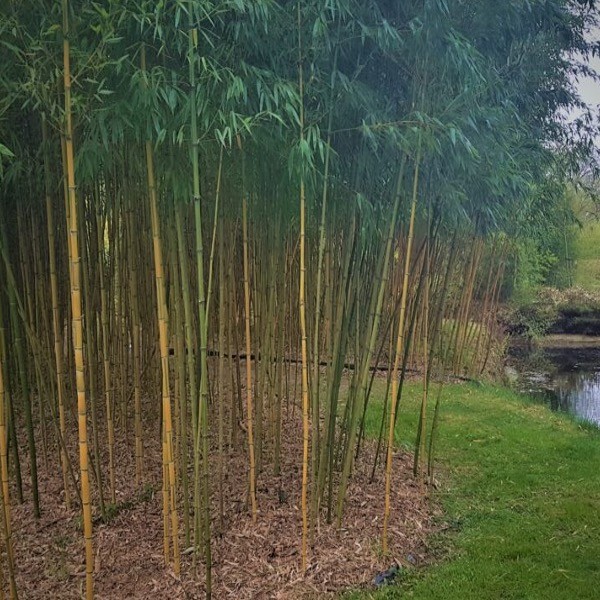
1. ONCRA-Certified Bamboo Plantation for Carbon Sequestration
Overview
This project focuses on large-scale bamboo cultivation in the Netherlands, leveraging bamboo’s rapid growth and high carbon sequestration capacity. Bamboo absorbs carbon at a faster rate than most trees and can be harvested sustainably for various uses, including construction materials and bioenergy.
Location: Southern Netherlands (Brabant/Limburg).
Annual Impact: About 600 tons of carbon sequestered per project annually, with additional benefits for soil health and biodiversity.
Key Benefits
Climate: Bamboo sequesters carbon quickly and can be harvested without killing the plant, ensuring continuous carbon capture.
Community: Provides sustainable biomass for local industries and creates green jobs.
Biodiversity: Enhances local ecosystems and supports pollinators.
SDGs: Aligns with SDG 13 (Climate Action) and SDG 15 (Life on Land).
Why It Stands Out
Bamboo is one of the fastest-growing plants on Earth, capable of absorbing up to 12 tons of carbon per hectare annually. - far exceeding the capacity of traditional forests. This project not only maximizes carbon sequestration but also creates a circular economy by transforming bamboo into durable products like flooring, textiles, and bioenergy. By involving local farmers and businesses, the project ensures economic resilience while restoring degraded lands. Its scalability and adaptability to different soil types make it a model for carbon farming in Europe, demonstrating how agricultural innovation can drive both climate and economic benefits.
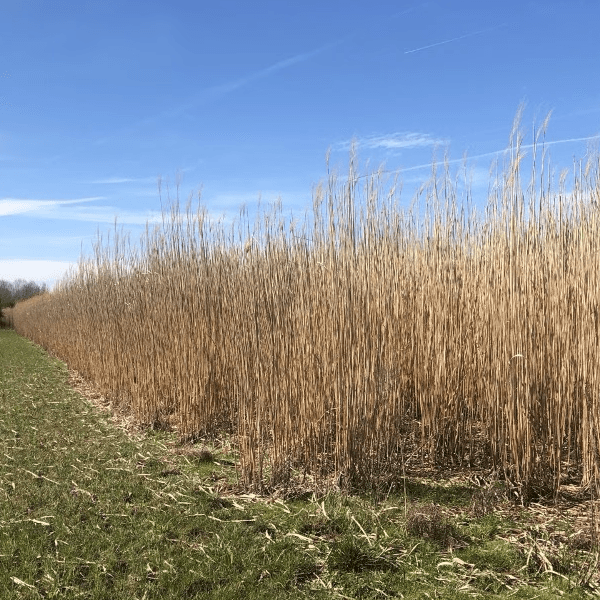
2. ONCRA-Certified Miscanthus for Bioenergy and Carbon Storage
Overview
Miscanthus, a perennial grass, is cultivated for its high biomass yield and deep root system, which stores carbon in the soil. This project supports farmers in transitioning to miscanthus production, providing a sustainable feedstock for bioenergy and bioproducts.
Location: Eastern Netherlands (Gelderland/Overijssel).
Annual Impact: Dependent on project type, around 500 tons of carbon stored in soils and biomass per project, with potential for biofuel and green building materials.
Key Benefits
Climate: Miscanthus captures carbon in both biomass and soil, reducing the need for fossil fuels.
Community: Offers farmers a low-maintenance, high-value crop that improves soil structure.
Biodiversity: Provides habitat for wildlife and reduces soil erosion.
SDGs: Supports SDG 7 (Affordable and Clean Energy) and SDG 13 (Climate Action).
Why It Stands Out
Miscanthus requires minimal inputs such as fertilizers or pesticides, making it an environmentally friendly alternative to conventional crops. Its deep root system enhances soil organic matter, improving long-term carbon storage and water retention. The project’s integration with local bioenergy plants ensures a closed-loop system, where miscanthus is converted into heat, electricity, or biochar, further reducing emissions. By focusing on marginal lands, the project avoids competition with food production, making it a sustainable and scalable solution for rural communities.
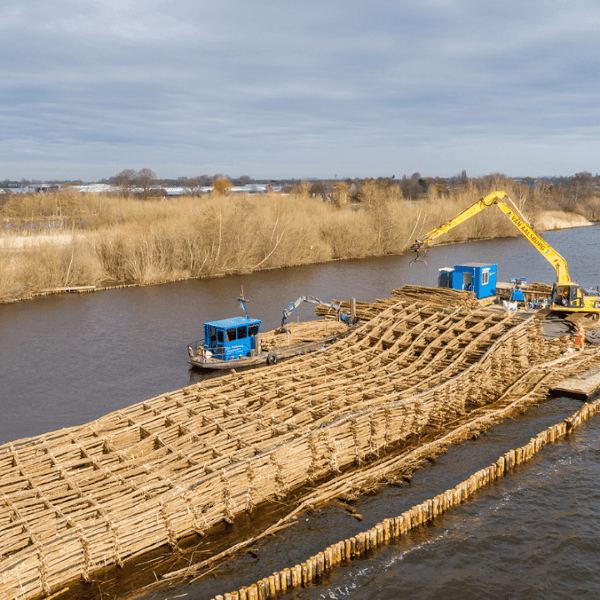
3. ONCRA-Certified Willow Plantations for Biomass and Carbon Capture
Overview
Fast-growing willow trees are planted in short-rotation coppice systems, providing a renewable source of biomass for construction while sequestering carbon in the soil and woody biomass. This project is ideal for wet or degraded lands, offering additional water management benefits.
Location: Northern Netherlands (Friesland/Groningen).
Annual Impact: Significant carbon storage in biomass and soil, with regular harvests ensuring continuous carbon cycling.
Key Benefits
Climate: Willow plantations capture carbon efficiently and can be used for various construction purposes, replacing e.g. steel
Community: Creates local employment in biomass production and processing.
Biodiversity: Supports bird and insect populations.
SDGs: Aligns with SDG 7 (Affordable and Clean Energy) and SDG 15 (Life on Land).
Why It Stands Out
Willow’s ability to thrive in wet conditions makes it uniquely suited to the Dutch landscape, where waterlogged or peat soils are common. The project not only sequesters carbon but also helps restore these fragile ecosystems by stabilizing soils and improving water quality. Its short rotation cycles (3–5 years) allow for frequent harvests, providing a steady supply of biomass for various construction purposes while maintaining high levels of carbon storage. The project’s collaboration with local municipalities ensures that benefits are shared across the region, fostering community engagement and long-term sustainability.
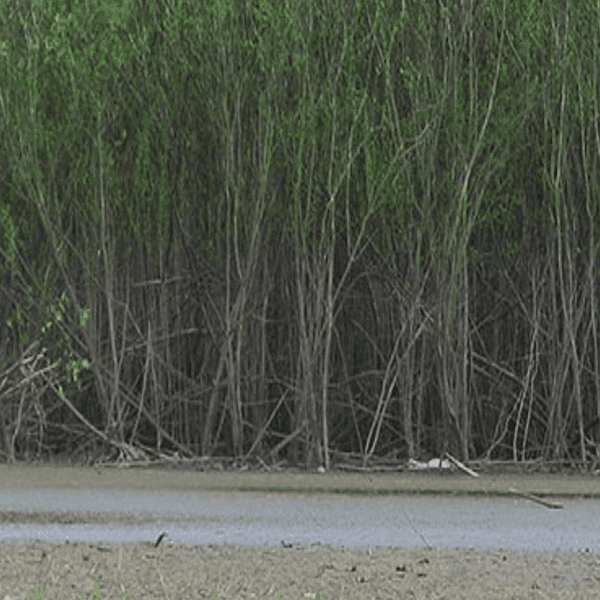
4. SNK-Certified New Forest Creation (ARK Natuurontwikkeling)
Overview
Managed by ARK Natuurontwikkeling, this project focuses on planting new native forests in the Netherlands, restoring biodiversity and capturing carbon in trees and soils. The forests are designed to be resilient, using a mix of species adapted to local conditions.
Location: Multiple sites across the Netherlands, including Gelderland and Brabant.
Annual Impact: Thousands of tons of carbon stored in new forests, with long-term benefits for ecosystems and climate resilience.
Key Benefits
Climate: Forests act as carbon sinks, removing carbon from the atmosphere for decades.
Community: Provides recreational spaces and supports eco-tourism.
Biodiversity: Restores habitats for native flora and fauna.
SDGs: Supports SDG 13 (Climate Action) and SDG 15 (Life on Land).
Why It Stands Out
ARK Natuurontwikkeling takes a landscape-scale approach, connecting fragmented habitats to create ecological corridors that enhance biodiversity and climate resilience. The project prioritizes native species, ensuring that new forests are adapted to local conditions and require minimal maintenance. By involving schools, volunteers, and local businesses in tree-planting activities, the project fosters a sense of ownership and environmental stewardship. Its focus on creating "wild" forests—where natural processes drive ecosystem development - sets it apart from traditional reforestation efforts, offering a blueprint for nature-led climate solutions.
5. SNK-Certified Nature Recovery in Peat Meadows (Staatsbosbeheer)
Overview
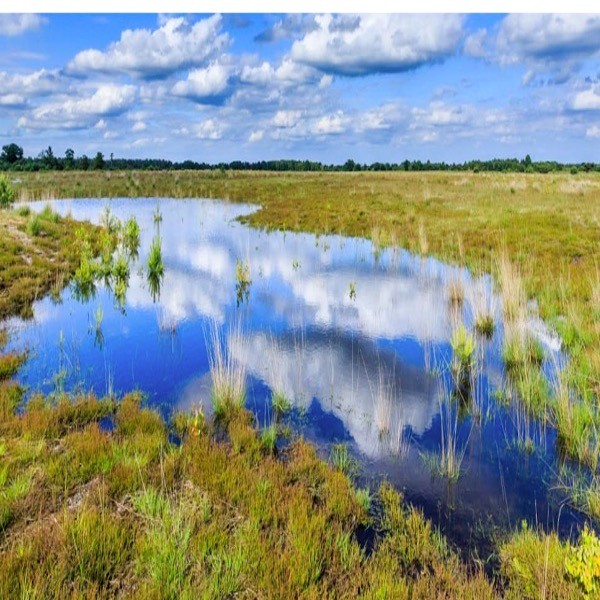
This project restores peat meadows by raising water levels, reducing carbon emissions from drained peatlands, and enhancing biodiversity. The restored wetlands store carbon in peat and support a variety of plant and animal species.
Location: Friesland and Utrecht.
Annual Impact: Prevents the release of stored carbon from peat soils and sequesters additional carbon through wetland vegetation.
Key Benefits
Climate: Wet peatlands are among the most effective carbon sinks, preventing emissions from degraded soils.
Community: Improves water quality and reduces flood risks.
Biodiversity: Revives unique wetland ecosystems.
SDGs: Aligns with SDG 6 (Clean Water and Sanitation) and SDG 15 (Life on Land).
Why It Stands Out
Peatlands are the Netherlands’ largest terrestrial carbon store, but decades of drainage for agriculture have turned them into a major source of emissions. This project reverses that trend by rewetting peat meadows, which not only stops carbon loss but also reactivates peat formation - a process that can lock away carbon for millennia. The restored wetlands act as natural water filters, improving water quality and reducing the need for artificial drainage systems. The project’s collaboration with farmers to adopt paludiculture (wetland farming) ensures that agricultural activities can continue sustainably, demonstrating how climate action and food production can coexist.
Comparative Analysis
Project Name | Type | Annual Carbon Impact | Key SDGs | Key Characteristic |
|---|---|---|---|---|
ONCRA Bamboo Plantation | Carbon Farming | Hundreds of tons | 13, 15 | Rapid growth, versatile uses |
ONCRA Miscanthus | Carbon Farming | Thousands of tons | 7, 13, 15 | High biomass yield, soil carbon storage |
ONCRA Willow Plantations | Biomass & Carbon Capture | Thousands of tons | 7, 13, 15 | Adaptable to wet lands |
SNK New Forest Creation (ARK) | Reforestation | Thousands of tons | 13, 15 | Biodiversity and climate resilience |
SNK Peat Meadow Restoration | Wetland Recovery | Thousands of tons | 6, 13, 15 | Prevents peat emissions, enhances nature |
How to Procure Dutch Carbon Credits
For organizations and individuals looking to invest in Dutch carbon projects, several pathways are available:
Direct Purchase: Buy credits directly from project developers or through platforms like Regreener.
Expert Guidance: Work with advisors to tailor a carbon offsetting strategy to your needs. Contact Regreener for personalized advice.
Retirement: Once purchased, credits are retired in your name, ensuring transparency and preventing double-counting.
Tip: Diversify your portfolio by supporting multiple projects across different sectors and regions.
Our client BDO has incorporated a Dutch climate project in their impact portfolio, you can learn more about their approach to offsetting in a short Case Study.
Risks and Considerations
Price Volatility
Carbon credit prices can fluctuate due to market demand, regulatory changes, or economic conditions. These fluctuations may impact long-term budgeting for offsetting strategies.
Reversals and Project Risks
Nature-based projects, such as reforestation or wetland restoration, are vulnerable to reversals from extreme weather, pests, or policy changes. To mitigate these risks, projects use buffer pools and rigorous monitoring. All projects offered by Regreener have been vetted using our quality framework that helps us identify project risk factors.
Additionality & MRV
All five projects are subject to strict additionality requirements, meaning the climate outcomes depend directly on carbon credit financing. Independent MRV processes - monitoring, reporting, and verification - ensure that every issued credit corresponds to real, measurable reduction in emissions.
Ethical Considerations
Carbon credits should complement - not replace - direct emissions reductions. Prioritize reducing your own carbon footprint before relying on offsets.
Local Market Challenges
The Netherlands faces unique challenges in balancing carbon projects with competing land uses, such as housing, agriculture, and nature conservation. Innovative solutions, like agroforestry, can help reconcile these tensions. Engaging local stakeholders ensures that projects align with broader societal goals and minimize conflicts over land use.
Standardization is another challenge. With multiple certification bodies - ONCRA, SNK, and international standards like Verra running in parallel - buyers can struggle to compare projects on a like-for-like basis. A clearer national framework would help the market mature faster.
Finally, price signals remain uncertain. Dutch voluntary carbon credits are still finding their level, and without longer-term price stability, it's harder for project developers to secure the upfront investment that large-scale nature restoration demands.
Conclusion
The five projects highlighted above represent the best of Dutch carbon credit initiatives in 2026. By supporting these efforts, organizations and individuals can advance their climate goals while contributing to sustainable development, biodiversity, and local economies.
Ready to take the next step? We would be happy to advise you on how to form a high-impact Dutch offsetting portfolio, talk to one of our colleagues!