
France runs one of Europe's most rigorous voluntary carbon certification schemes: the Label Bas Carbone (LBC), launched in 2018 by the Ministry of Ecological Transition. More than 600 projects are now certified - mostly in forestry and agriculture - and the system was substantially reformed in 2025 to align with the EU's Corporate Sustainability Reporting Directive (CSRD) and the upcoming Carbon Removals Certification Framework (CRCF). For corporate buyers seeking domestic European credits that hold up under audit, the best French carbon credit projects of 2026 sit at the intersection of national rigour, EU policy alignment, and growing institutional capital. Below are the five we rate highest for procurement-grade buyers this year.
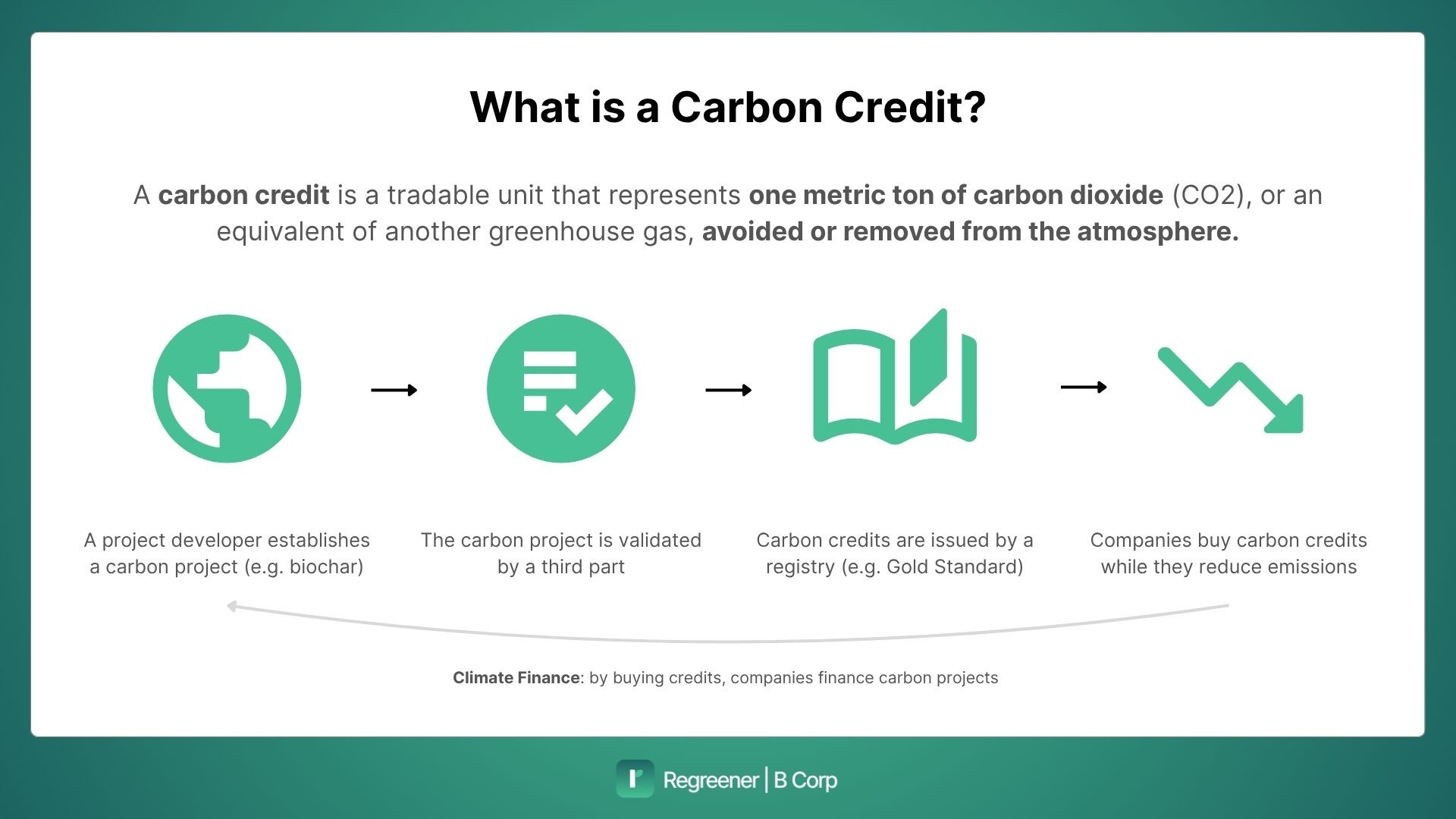
What is a Carbon Credit?
A carbon credit represents one metric tonne of CO₂ (or CO₂ equivalent) that has been removed from the atmosphere or prevented from being emitted. Credits are serialised, tracked in a public registry, and retired in the buyer's name to prevent double-counting. Corporate buyers use credits to compensate for genuinely irreducible residual emissions after direct reductions - and under frameworks like CSRD's ESRS E1 standard, the project type, registry, vintage and standard must all be disclosed separately from operational reductions. For a deeper dive, see Regreener's carbon credits FAQ guide.
What is the Label Bas Carbone?
The Label Bas Carbone (LBC), often translated as the Low Carbon Label, is France's official voluntary carbon certification scheme, launched by the Ministry of Ecological Transition in November 2018 (Decree 2018-1043). It certifies emission reductions and carbon sequestration projects on French territory - covering forestry, agriculture, building, transport and marine sectors via 13 approved methodologies. As of 2026, more than 600 forestry projects have been certified, with average credit prices around €32 per tonne CO₂e (source: INFCC) - a clear premium over generic international credits, justified by local audit rigour, transparent public registry tracking, and direct alignment with France's national climate targets.
The LBC was substantially reformed in 2025 to add explicit CSRD compatibility, a structured retirement mechanism, and a "final beneficiary" designation that gives credits a clear end-of-life event. This makes LBC credits directly disclosable under ESRS E1 without ambiguity - one of the few national voluntary schemes in Europe to offer that level of audit-ready structure. The official Label Bas Carbone registry publishes every certified project with location, vintage, expected reductions, and funder identification.
Why Focus on French Carbon Credit Projects?
Three reasons stand out for European corporate buyers in 2026:
Regulation and trust: French projects sit under direct national audit by the Ministry of Ecological Transition, with public registry tracking. International projects within the same portfolios (Reforest'Action, France Valley) additionally carry Verra VCS or Gold Standard certification.
CSRD and CRCF alignment: The LBC's 2025 reforms make French credits audit-ready under CSRD's ESRS E1. The Label Bas Carbone is widely cited by Carbon Gap and I4CE as a design template for the EU Carbon Removals Certification Framework (CRCF), meaning today's LBC projects are well-positioned for future CRCF eligibility.
Co-benefits: Many projects deliver measurable additional environmental and social value: biodiversity restoration, rural employment, soil health, and direct contributions to France's Stratégie Nationale Bas-Carbone (SNBC), the national low-carbon strategy.
At Regreener, we screen every French carbon credit project through our proprietary 100+ datapoint quality framework before it enters a client portfolio. The five projects below are the highest-rated French options for 2026.
The 5 Best French Carbon Credit Projects of 2026
1. Reforest'Action - Label Bas Carbone Reforestation
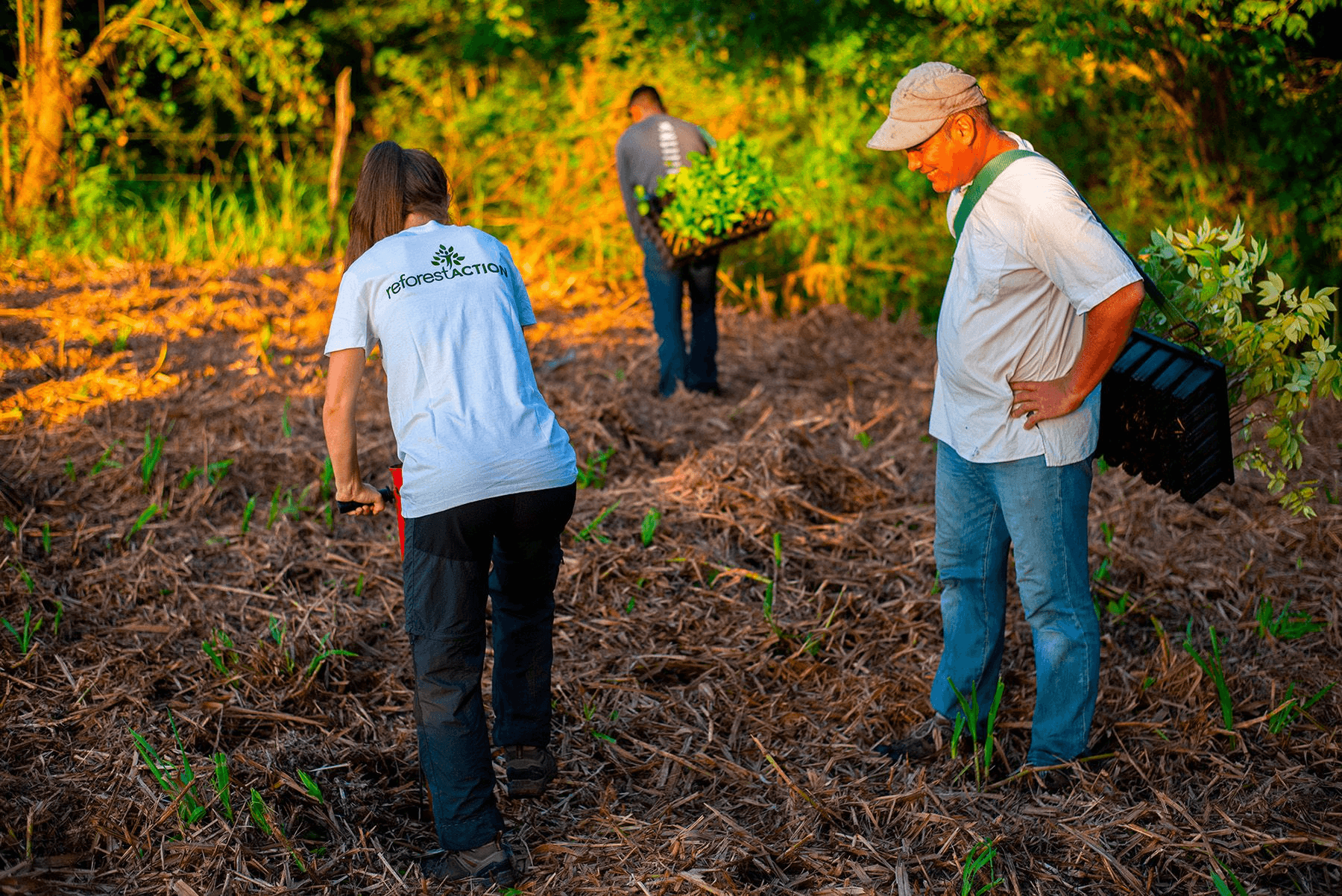
Project type: Reforestation and afforestation Certification: Label Bas Carbone (domestic France) + Verra VCS / Gold Standard / CCB (international portfolio) Location: Nationwide France, with international projects across South America, Africa and Asia Indicative price: EUR 25-40 per tonne CO₂e for LBC credits
Overview
Reforest'Action is a leading French platform offering certified reforestation and afforestation projects under the Label Bas Carbone in metropolitan France, alongside an international portfolio of REDD+ and ARR projects certified under Verra VCS and Gold Standard with additional CCB (Climate, Community and Biodiversity) certification. Its French projects focus on degraded forests, post-fire restoration, and urban renaturation - areas where additionality is well-established under LBC methodology.
Key benefits
Climate: Restores degraded French forests and creates long-term domestic carbon sinks under direct ministerial audit.
Community: Supports local employment in rural and peri-urban France.
Biodiversity: Plants native species adapted to climate-stressed conditions (post-scolytus attacks, drought-damaged stands).
SDGs: Aligns with SDG 13 (Climate Action) and SDG 15 (Life on Land).
Why it stands out
Reforest'Action's dual-track approach combines Label Bas Carbone domestic credits with internationally certified VCS / Gold Standard credits in the same procurement portfolio. For buyers managing CSRD-disclosable European exposure alongside Beyond Value Chain Mitigation under SBTi, this dual-track structure makes audit trail construction significantly cleaner than single-standard alternatives.
2. Terra Fertilis - Puro.earth-Certified Biochar Carbon Removal
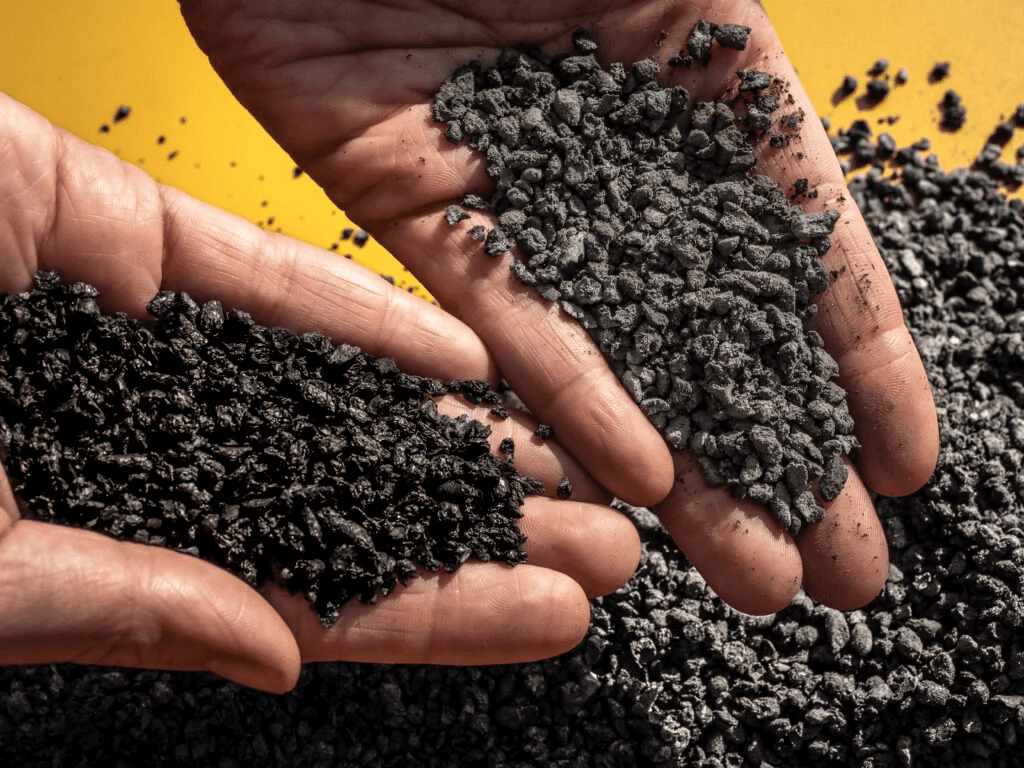
Project type: Biochar carbon removal Certification: Puro.earth CORC, Biochar Methodology v2.0 (ICROA-endorsed) Operator: SLB Groupe Location: Argentan, Normandy, France Indicative price: EUR 100-200 per tonne CO₂e Status: Operational since October 2021
Overview
Terra Fertilis is the first Puro.earth-certified biochar facility in France, audited at its Argentan plant in Normandy under the Puro.earth CO2 Removal Marketplace v2.0 Biochar Methodology. The biochar is produced from 100% wood sourced from PEFC-certified, sustainably managed French forests near Reims, then applied as a soil amendment to permanently sequester carbon for centuries.
Each tonne of biochar sequesters approximately 2.5 to 2.9 tonnes of CO₂ equivalent, with production capacity scaling toward an annual removal target of up to 75,000 tonnes CO₂e by 2026.
Key benefits
Climate: Provides high-permanence carbon removal (durability measured in centuries) - ideal for net-zero residual emissions and SBTi-aligned removal portfolios.
Community: Supports French circular economy initiatives and local agricultural soil enhancement.
Biodiversity: Improves soil health, water retention and nutrient efficiency on application sites.
SDGs: Aligns with SDG 7 (Affordable and Clean Energy - via pyrolysis co-generation) and SDG 13 (Climate Action).
Why it stands out
Terra Fertilis credits are certified under the same Puro.earth Biochar Methodology used by Microsoft, Shopify and Zurich Insurance Group for their global biochar removal procurement - meaning a French buyer gets the same methodological rigour as the world's most demanding corporate net-zero programmes, with the added geographical proximity advantage for CSRD localisation. For more on Puro.earth-certified removals, see our guide to the best Puro.earth carbon credit removal projects.
3. France Valley - €200 Million European Carbon and Biodiversity Fund
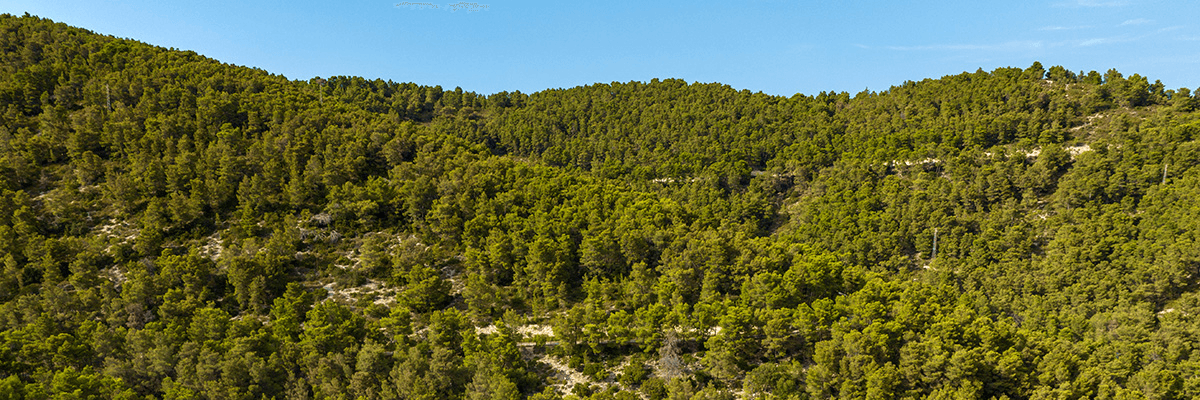
Project type: Afforestation, reforestation and revegetation (ARR) Certification: Verra VCS, Gold Standard, Label Bas Carbone Location: France and pan-European: partnerships in Estonia, Ireland, Latvia, Lithuania, Spain, Germany Indicative price: EUR 30-50 per tonne CO₂e Fund status: Launched January 2025 (€200 million hard cap)
Overview
France Valley has launched a €200 million Carbon and Biodiversity Fund dedicated to afforestation, reforestation and revegetation projects across Europe, with a strong focus on French sites and integration into the Ecobase pan-European afforestation programme - the first VCS-certified afforestation project of its kind in Europe. The fund owns the underlying land, plants the trees, and sells carbon credits to corporate buyers and intermediaries, with an institutional investor net IRR target of 10%.
France Valley's portfolio spans 50,000 hectares across 450 forests in Europe and was ranked among the Top 3 European Timberland Investment Managers in the IPE Natural Capital Managers 2026 ranking.
Key benefits
Climate: Creates new permanent forest carbon sinks on degraded or unused land, with audit-controlled measurement.
Community: Engages local foresters in nine European countries; minimises land-use conflict by avoiding agricultural land.
Biodiversity: Promotes mixed native species (Scots pine, oak, larch, sycamore) rather than monocultures.
SDGs: Supports SDG 13 (Climate Action) and SDG 15 (Life on Land).
Why it stands out
France Valley's structural advantage is land ownership: by purchasing degraded plots directly rather than contracting with landowners, the fund eliminates lease-renewal risk and tenure disputes - two of the most common reversal triggers in European reforestation. For institutional buyers planning multi-decade CSRD-aligned removal portfolios, that durability matters.
4. ONF (Office National des Forêts) - Label Bas Carbone Reforestation Portfolio
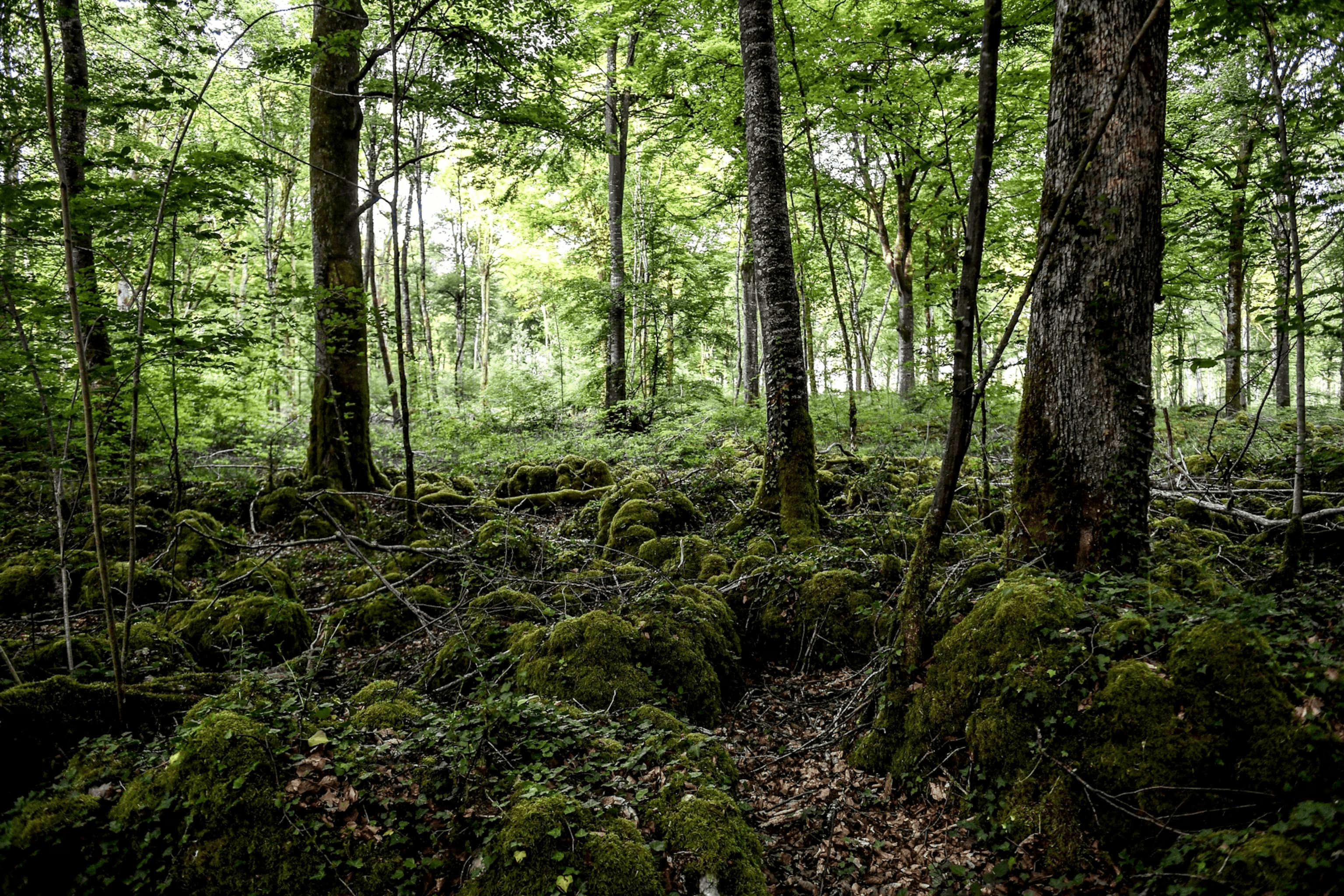
Project type: Reforestation of degraded public forests Certification: Label Bas Carbone Location: Public and communal forests across France Indicative price: EUR 30-45 per tonne CO₂e Status: 50+ certified projects active
Overview
The Office National des Forêts (ONF), France's national forestry agency, operates a portfolio of more than 50 Label Bas Carbone-certified reforestation projects across public and communal forests, focused on restoring stands damaged by scolytus beetle outbreaks, drought, and post-storm dieback. Each project is audited by independent third parties and registered on the public LBC registry.
Per-project volumes typically range between 80 and 1,000 tonnes CO₂e over 25- to 30-year vintages, depending on hectarage and species mix. For context, France's total forest carbon sink reaches approximately 90 million tonnes CO₂e per year - but only a small fraction of this is monetised as voluntary carbon credits under the LBC.
Key benefits
Climate: Provides measurable, audit-tracked carbon removal under direct ministerial oversight.
Community: Supports French rural forestry jobs and municipal forest budgets.
Biodiversity: Replaces climate-stressed monocultures with mixed-species plantings adapted to changing French climates.
SDGs: Aligns with SDG 13 (Climate Action) and SDG 15 (Life on Land).
Named corporate financiers
Public LBC registry data shows ONF projects have been financed by Vinci (650 tCO₂e at Forêt de la Cantinière), La Poste, Amaury Sport Organisation (Tour de France), Engie Solutions, Fédération Française de Tennis, Vicat, Ciments Calcia, Neuflize OBC, WeNow, E.Leclerc, and Dim, among others. Few French carbon credit projects can match this breadth of named domestic corporate buyer signal.
Why it stands out
ONF projects sit under the Stratégie Nationale Bas-Carbone (SNBC), backed by France's full ministerial audit infrastructure. For European corporates needing maximum domestic provenance and public-sector trust signals in their portfolio, ONF is the benchmark.
5. France Carbon Agri Association - Agricultural Emission Reductions (Carbon Agri Methodology)
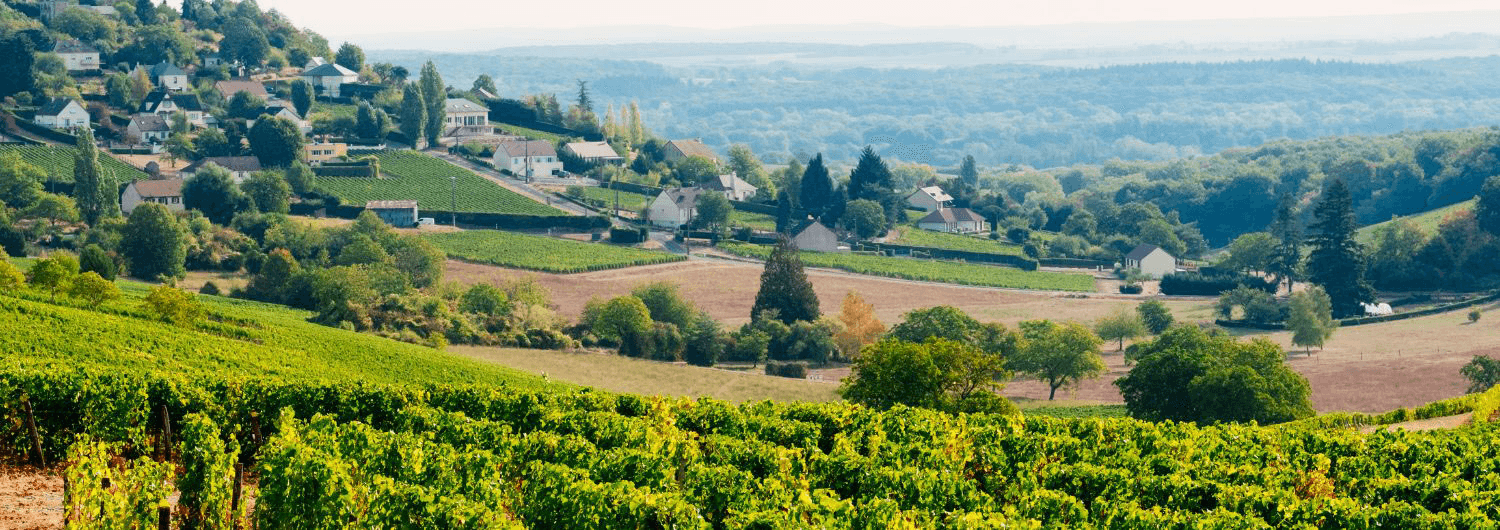
Project type: Livestock and arable crop emission reductions (multi-lever methodology) Certification: Label Bas Carbone, Carbon Agri methodology Methodology approved: 30 September 2019 by the Ministry of Ecological Transition Indicative price: EUR 40-50 per tonne CO₂e final (approximately EUR 32 returned to the farmer) Status: Operational, 500+ farms enrolled, expanding via EU LIFE Sustainable Cattle programme
Overview
France Carbon Agri Association (FCAA) is the national aggregator for agricultural Label Bas Carbone projects, founded in 2019 by the four French livestock federations (FNPL, FNB, FNO, FNEC) together with Institut de l'Élevage, CNIEL, Interbev, and I4CE. It uses the Carbon Agri methodology, a multi-lever LBC method that quantifies emission reductions across manure management, animal feeding, fertiliser optimisation, soil carbon storage, and on-farm energy use - measured via the rigorous CAP'2ER tool developed by Institut de l'Élevage.
Each project runs on a five-year cycle with baseline diagnostic, mid-term audit, and final third-party verification. In March 2024, FCAA launched Carbioz in partnership with Crédit Agricole Group - the first complete digital transaction platform for French agricultural LBC credits.
Key benefits
Climate: Reduces methane, nitrous oxide and energy-related CO₂ across French livestock and arable systems; increases soil and biomass carbon storage on enrolled farms.
Community: Direct income for French farmers - approximately EUR 32 per tonne returned to the producer, versus EUR 7-8 per tonne typical for international VCS or Gold Standard credits.
Biodiversity: Integrated co-benefit assessment under the LBC framework (legume rotations, hedgerow management, prairie preservation).
SDGs: Aligns with SDG 2 (Zero Hunger), SDG 13 (Climate Action) and SDG 15 (Life on Land).
Named corporate financiers
Publicly disclosed FCAA / Carbon Agri financiers include Paris 2024 Olympics, Mairie de Paris, Nestlé France, Caisse des Dépôts et Consignations (CDC), écomiam, and Crédit Agricole Group (via Carbioz). The Carbon Agri methodology has been cited by the European Commission's DG Clima as a reference model for European carbon farming guidance under the CRCF.
Why it stands out
FCAA is the cleanest entry point for corporate buyers who want their agricultural carbon credits to sit in their value chain rather than outside it - which is increasingly relevant under SBTi's value chain mitigation rules and VCMI's Claims Code. Note that Carbon Agri credits are emission reductions, not removals, and should be classified as such in CSRD ESRS E1 disclosure.Comparative Analysis
Comparative Analysis
Project | Type | Certification | Indicative Price (EUR/tCO₂e) | Key Buyers |
|---|---|---|---|---|
Reforest'Action | Reforestation (FR + international) | Label Bas Carbone, Verra VCS, Gold Standard, CCB | 25-40 | Diversified corporate base |
Terra Fertilis | Biochar carbon removal | Puro.earth CORC v2.0 | 100-200 | Methodology used by Microsoft, Shopify, Zurich Re |
France Valley | Pan-European ARR | Verra VCS, Gold Standard, LBC | 30-50 | Institutional fund - Top 3 IPE 2026 |
ONF | Public forest reforestation | Label Bas Carbone | 30-45 | Vinci, La Poste, Tour de France, Engie Solutions, FFT, Vicat |
France Carbon Agri | Agricultural emission reductions | Label Bas Carbone (Carbon Agri) | 40-50 | Paris 2024, Mairie de Paris, Nestlé France, CDC, Crédit Agricole |
How French Carbon Credits Align with the EU CRCF
The EU Carbon Removals and Carbon Farming Regulation - the CRCF (Regulation EU 2024/3012) - came into force on 6 December 2024 and will start certifying projects in late 2026. France's Label Bas Carbone is widely cited by Carbon Gap and the Institute for Climate Economics (I4CE) as a design template for the CRCF, particularly its registry transparency, audit rules, and "final beneficiary" retirement structure.
For corporate buyers, this matters in two ways. First, well-structured LBC projects today are likely candidates for future CRCF cross-recognition - giving French carbon credits a defensible CSRD audit trail through 2030 and beyond. Second, the FCAA Carbon Agri methodology is one of the few existing national agricultural methodologies that the European Commission has publicly cited as a reference for the CRCF's carbon farming module.
"French Label Bas Carbone credits are some of the few European voluntary credits that come with full government-backed audit trails and a public registry, making them increasingly defensible under CSRD's ESRS E1 reporting. For buyers preparing 2026 disclosures, prioritise LBC projects with named third-party auditors over generic VCS forestry credits."
Boris Bekkering, Commercial Director, Regreener
How Much Do French Carbon Credits Cost?
French Label Bas Carbone forestry credits average around EUR 32 per tonne CO₂e (source: INFCC market data), with forestry credits trading at a premium versus other LBC sectors. European afforestation and reforestation (ARR) credits more broadly trade between EUR 30 and EUR 45 per tonne. Puro.earth-certified biochar credits from French operators like Terra Fertilis price significantly higher - typically EUR 100 to 200 per tonne - reflecting the multi-century permanence of biochar carbon storage and tighter supply. Agricultural Carbon Agri credits trade between EUR 40 and EUR 50 per tonne, with the majority of that price returned to the participating farmer.
This is structurally higher than the international voluntary market average. For context, generic VCS or Gold Standard forestry credits from outside Europe trade at EUR 7 to 8 per tonne. The premium for French credits reflects three things: local audit rigour, full traceability under a public registry, and direct CSRD compatibility - all factors that informed B2B buyers now treat as procurement requirements rather than nice-to-haves.
How to Procure French Carbon Credits
For organisations looking to invest in French carbon projects, three pathways are available:
Direct purchase through a specialist trader: Work with a trader like Regreener that sources directly from project developers and provides full CSRD documentation, registry serial numbers, and retirement certificates.
Expert procurement strategy: For multi-year or portfolio-level decisions, work with advisors to design a balanced French portfolio across LBC forestry, biochar removal, and agricultural reductions. Contact Regreener for tailored guidance.
Retirement and disclosure: Ensure every credit is retired transparently in your name on the relevant registry (Label Bas Carbone, Puro Registry, Verra Registry, or Gold Standard) and disclosed separately from operational reductions under CSRD ESRS E1.
For a broader European view across all five EU project categories, see our guide to the best EU carbon credit projects of 2026. For pure-permanence removal options, see our guide to the best Puro.earth carbon credit removal projects. To understand how we evaluate every project before it reaches your portfolio, see our quality framework.
Risks and Considerations
Price volatility: Carbon credit prices fluctuate with market demand and regulatory developments. CRCF methodology adoption in late 2026 may compress price ranges for newly-certified projects.
Reversal risk: Nature-based projects face risks from extreme weather, pest attacks (scolytus, droughts) and policy shifts. Robust monitoring and buffer pools mitigate but do not eliminate these risks.
Removal versus reduction: Only Terra Fertilis (biochar) and the ARR components of France Valley and ONF produce credits that qualify as "removals" under the strictest SBTi and CRCF definitions. Reforest'Action's avoidance components and FCAA's Carbon Agri credits are emission reductions and should be disclosed as such.
Carbon credits are not a substitute for reduction: Under SBTi, VCMI's Claims Code, and the Oxford Offsetting Principles, credits should fund Beyond Value Chain Mitigation and neutralise genuinely residual emissions - not replace internal decarbonisation. For more on pricing dynamics and 2026 market direction, see our market overview.
Land use tensions: Even in Europe, large-scale ARR projects can create competition with food production. France Valley's policy of using only degraded or unused land is one mitigation; others rely on stakeholder consultation.