
The Verified Carbon Standard (VCS or Verra) registry lists over 2,300 projects - but only a handful consistently hold up under serious buyer scrutiny. This guide covers the five best VCS carbon credit projects of 2026, selected by Regreener’s team based on validation quality, additionality strength, co-benefits, and 2026 market availability. Whether you are building a first carbon portfolio or tightening the quality bar on an existing one, these are the projects worth knowing.
Buy through Regreener
Want these Verra projects in your portfolio?
Regreener can source the projects in this article, as well as other high-integrity projects. Tell us your volume and timing and you’ll get availability and indicative pricing within 1 working day.
No obligation · Reply within 1 working day

The Role of Verra or VCS
Verra administers the Verified Carbon Standard (VCS) - the world’s most widely used voluntary carbon crediting program, with over 2,300 registered projects and more than one billion tonnes of emissions reduced or removed to date. Every VCS credit represents one tonne of CO₂e that has been independently verified by an accredited third party. The standard covers a wide range of project types, from REDD+ forest protection and mangrove restoration to tech-based solutions like carbon mineralisation in concrete.
In 2026, Verra’s VCS is also designated as a CCP-Eligible program under the ICVCM’s Core Carbon Principles benchmark - meaning projects using approved methodologies can carry the CCP label, the market’s emerging quality standard for corporate buyers.
What Makes a Carbon Credit High Quality?
Not all credits are equal. High-integrity credits must meet these criteria:
Additionality: The project wouldn’t happen without carbon finance (e.g., a mangrove restoration that’s not legally required).
Permanence: Carbon storage is guaranteed for 20+ years (e.g., peatland protection vs. short-lived tree planting).
No double-counting: Credits are retired in a public registry (e.g., Verra’s VCS Project Database) to prevent resale.
Co-benefits: Projects should deliver social or environmental bonuses, like biodiversity protection or job creation.
Transparency: Full access to monitoring reports, validation documents, and community impact data.
Two additional developments are reshaping what “high quality” means for buyers in 2026. First, Verra launched VCS Version 5 - a significant update to the standard that strengthens safeguards around community rights, baseline setting, and independent auditor oversight, and which all new projects must now comply with. Second, the ICVCM’s Core Carbon Principles (CCP) label has emerged as an additional quality filter on top of VCS certification.
The ICVCM operates a two-tick system: the crediting program (such as VCS) must be approved as CCP-Eligible, and the specific methodology the project uses must separately receive CCP-Approved status. Only when both conditions are met can credits carry the CCP label. Verra’s VCS is CCP-Eligible, but not all VCS methodologies have been approved
How We Selected the 5 Best VCS Projects of 2026
Not every project on the Verra registry meets the bar for a credible corporate buyer. As of 2026, over 2,300 projects are registered under VCS - and quality varies enormously.
Regreener evaluated candidates using our CO2 risk rating framework, which assesses projects across 97 indicators in five domains: validation quality, additionality strength, permanence and reversal risk, country risk, and co-benefits. Projects were only considered if they met all of the following criteria:
Active and recently verified - last verification cycle within 3 years, with no suspension or investigation flags on the Verra registry
Strong additionality case - conservative baseline methodology, no credible third-party challenges to the additionality claim
CCP-eligible methodology - the project uses a methodology that is either already CCP-approved under the ICVCM benchmark, or assessed as likely to qualify
Independently rated - project has a published rating from BeZero Carbon, Sylvera, or equivalent, or has been assessed directly by Regreener’s team
Meaningful co-benefits - beyond carbon, the project delivers verifiable social or biodiversity impact, backed by monitoring data
The five projects below represent different project types, regions, and price points - so buyers can build a diversified portfolio rather than concentrating in a single asset class.
The 5 Best VCS Projects of 2026
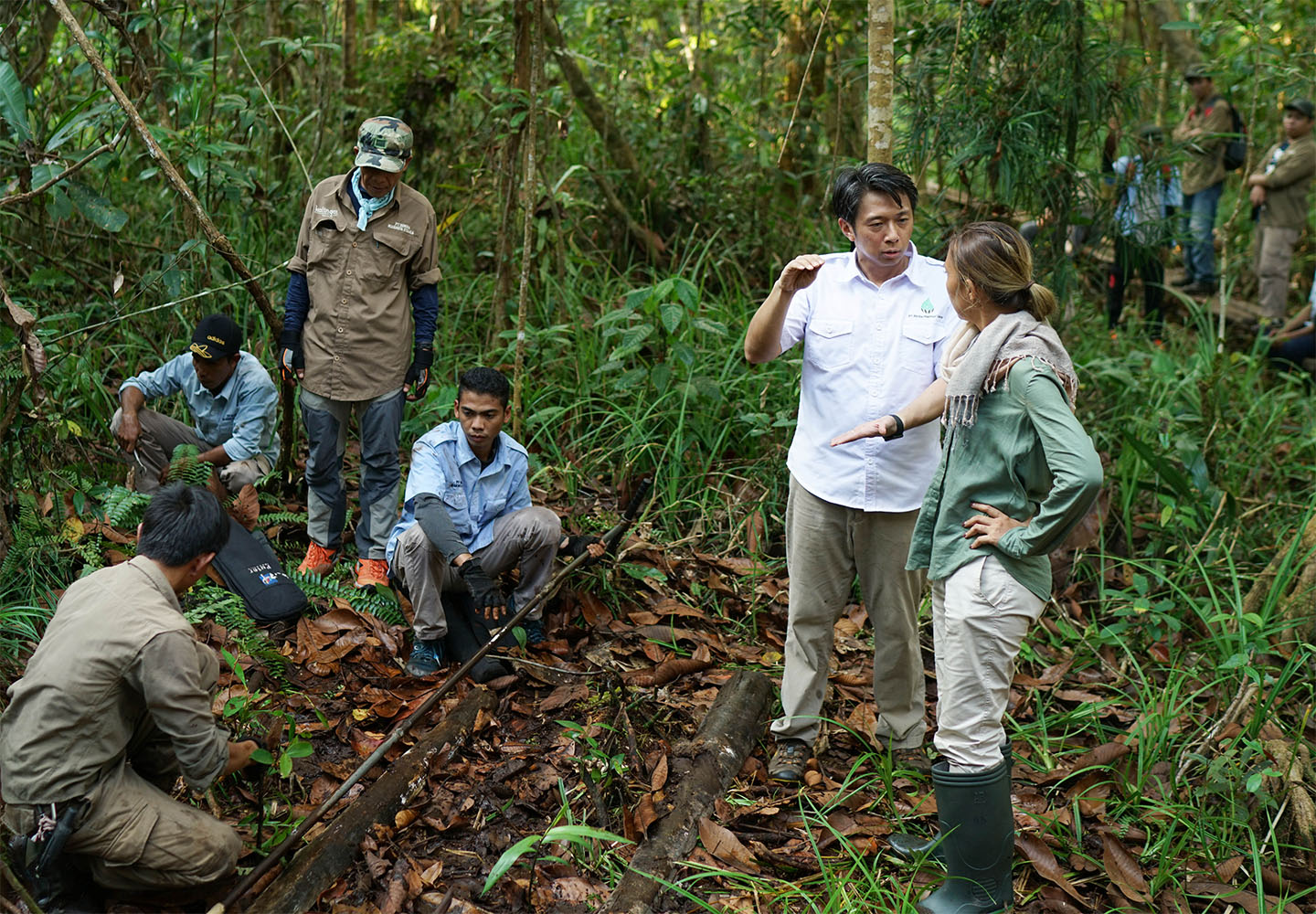
1. Katingan Peatland Restoration and Conservation Project (Indonesia)
Project Type: Nature-Based Avoidance (REDD+/Wetland)
Location: Central Kalimantan, Indonesia
Bought by: Volkswagen, Boeing and various Regreener clients
Status: Operational
The Katingan Project protects 149,800 hectares of peatland, avoiding 7.4 million metric tons of CO₂e emissions annually. Validated by SCS Global Services under the VM0007 methodology, it supports sustainable livelihoods for 34 villages through agroforestry and eco-tourism.
Key Benefits:
Climate: Prevents 7.4M tCO₂e emissions yearly by preserving peat swamps, which store 20x more carbon than tropical forests.
Social: Improves livelihoods for 34 villages through agroforestry, eco-tourism, and sustainable agriculture.
Biodiversity: Restores habitat for critically endangered species, including orangutans and clouded leopards.
SDGs: Advances SDG 13 (Climate Action), SDG 15 (Life on Land), and SDG 10 (Reduced Inequalities).
2. Sumatra Merang Peatland Project (Indonesia)
Project Type: Nature-Based Avoidance / Restoration (REDD+ / WRC)
Location: Musi Banyuasin District, South Sumatra, Indonesia
Funded/bought by: AXA
Status: Operational
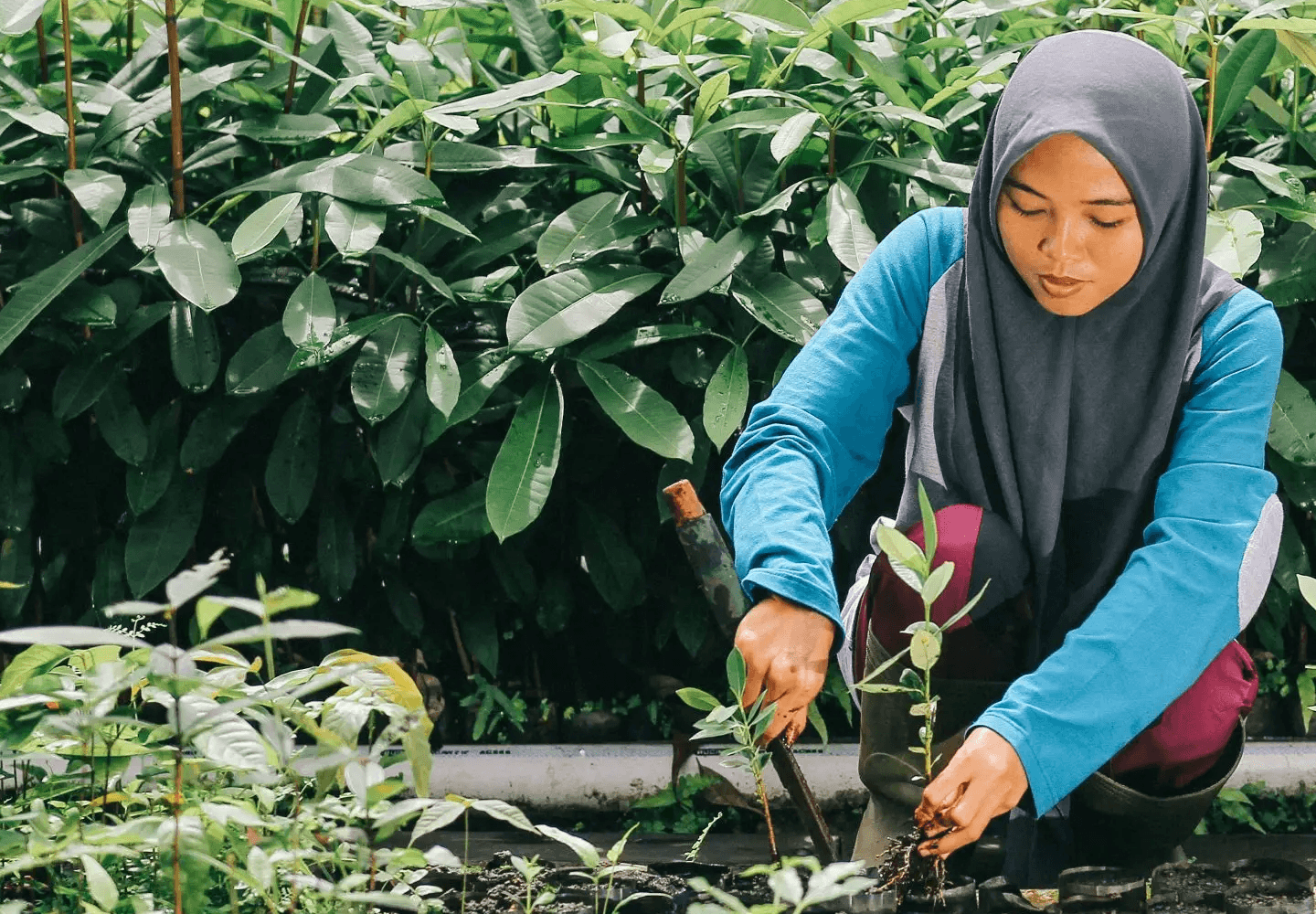
The Sumatra Merang Peatland Project (SMPP) protects and restores 22,922 hectares of critical peat swamp forest in the Merang-Kepayang peat dome, one of the largest and deepest peat dome areas in South Sumatra - an area more than 3.5 times the size of Manhattan. Developed by Forest Carbon in partnership with PT Global Alam Lestari and supported by the Althelia Climate Fund, the project tackles a landscape that was commercially logged throughout the 1990s and devastated by major fires in 2004, 2006, and 2015.
Active restoration includes the construction of over 200 compaction dams to rewet drained peat, daily forest patrols, and assisted natural regeneration - resulting in forest cover growth from 1.4% to 23% between 2016 and 2020. The project generates approximately 1.2 million tCO₂e in verified credits annually, backed by buyers including AXA and Mirova.
Key Benefits:
Climate: Avoids approximately 1.2M tCO₂e annually by preventing peatland drainage, fire, and conversion to industrial plantation - peatlands store up to 10 times more carbon per hectare than tropical forests.
Social: Employs over 40 local residents directly, supports health services for 2,400+ people, and provides education programmes for 210 children - with a community development fund co-directed by surrounding villages.
Biodiversity: Protects habitat for 100+ endangered species including the Sumatran tiger (fewer than 400 remaining in the wild), sun bear, Malay tapir, and Rhinoceros hornbill within a key biodiversity corridor.
SDGs: Supports SDG 13 (Climate Action), SDG 15 (Life on Land), SDG 3 (Good Health and Wellbeing), and SDG 8 (Decent Work and Economic Growth).
3. TIST Program in Kenya
Project Type: Nature-Based Removal (ARR)
Location: Kenya
Funded/bought by: Freshfields Bruckhaus Deringer
Status: Operational
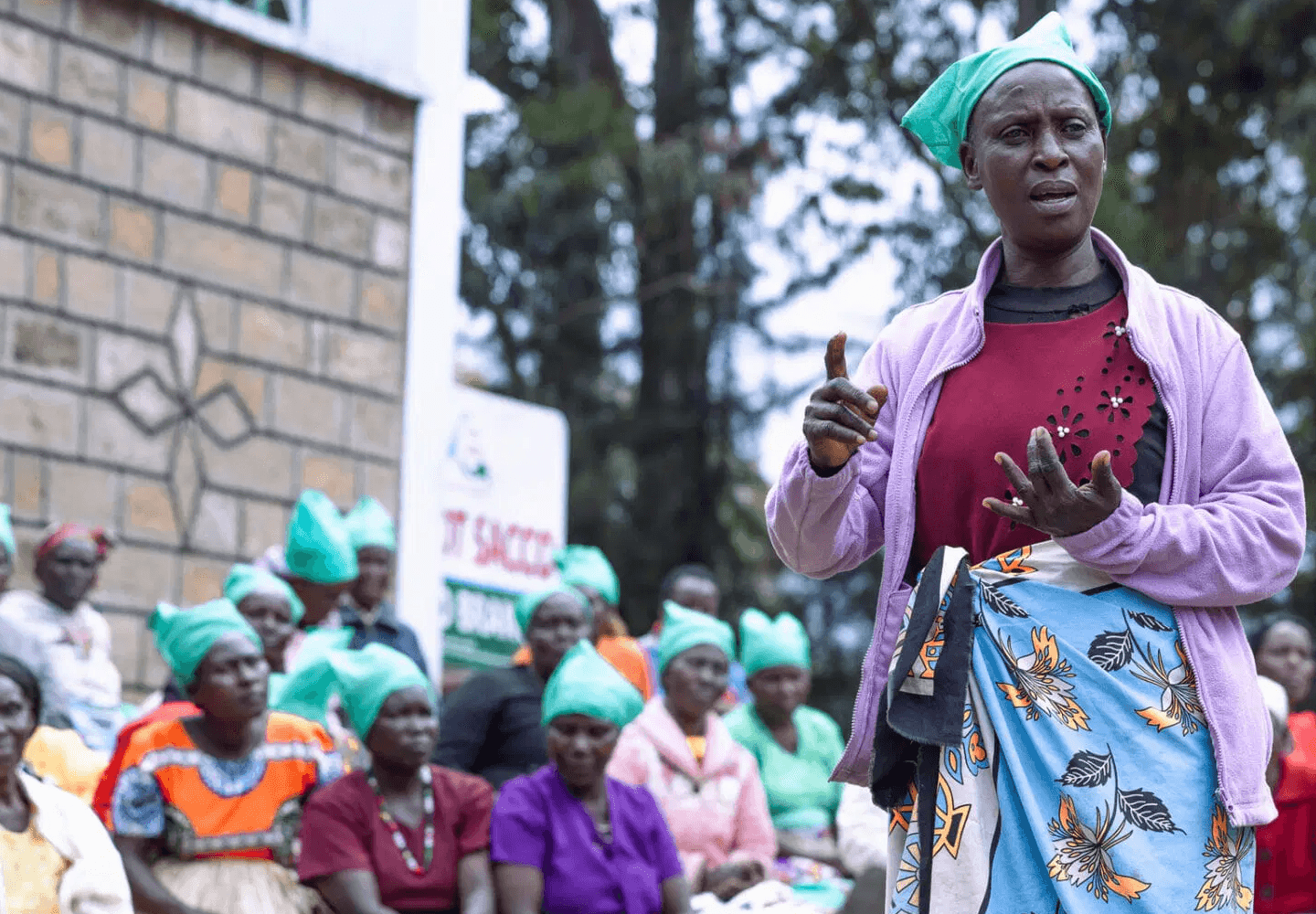
The TIST Program focuses on reforestation and sustainable land use, removing 93,619 metric tons of CO₂e annually. Validated by AENOR CONFIA using the AR-AMS0007 methodology, it empowers smallholder farmers with a focus on gender equity.
Key Benefits:
Climate: Sequesters 93K tCO₂e annually through community-led reforestation.
Social: Provides income and training for thousands of farmers, with a focus on women’s leadership.
Biodiversity: Restores degraded landscapes, improving soil health and water retention.
SDGs: Supports SDG 5 (Gender Equality), SDG 13 (Climate Action), and SDG 2 (Zero Hunger).
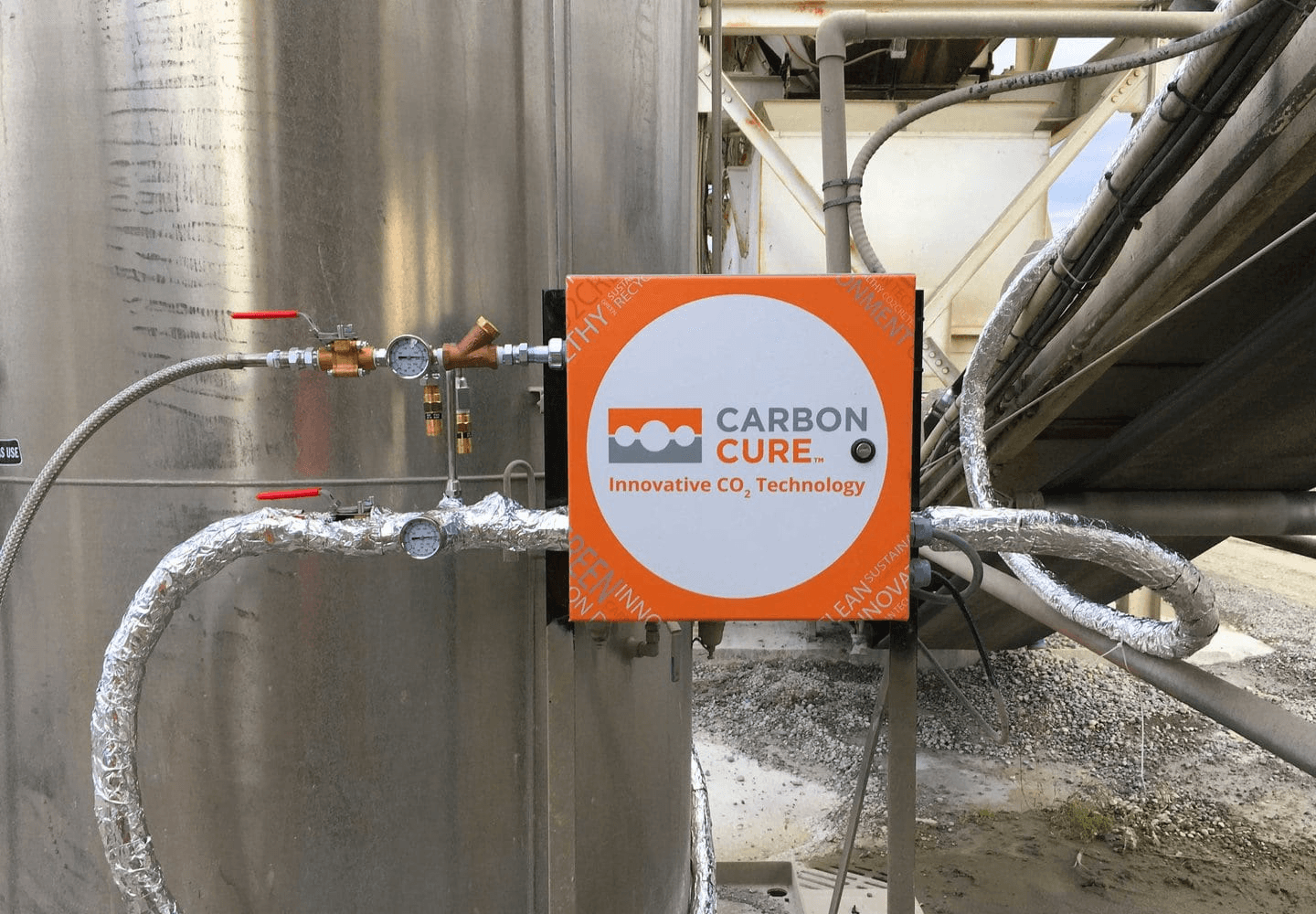
4. CO₂ Utilization in Concrete – CarbonCure (U.S.)
Project Type: Tech-Based Removal
Location: Georgia, U.S.
Funded/bought by: Deloitte, Shopify, Microsoft, Amazon and various Regreener clients
Status: Operational
CarbonCure’s innovative approach utilizes captured CO₂ in concrete production, reducing the need for carbon-intensive Portland cement. With an annual reduction of 32,027 metric tons of CO₂e, this project is ideal for industrial buyers seeking scalable solutions.
Key Benefits:
Climate: Cuts 32K tCO₂e annually by repurposing CO₂ as a building material.
Social: Supports green jobs in the construction sector and reduces urban carbon footprints.
Biodiversity: Lowers demand for virgin materials, reducing habitat destruction from mining.
SDGs: Contributes to SDG 9 (Industry, Innovation, and Infrastructure) and SDG 11 (Sustainable Cities and Communities).
5. Brusque Landfill Gas Project (Brazil)
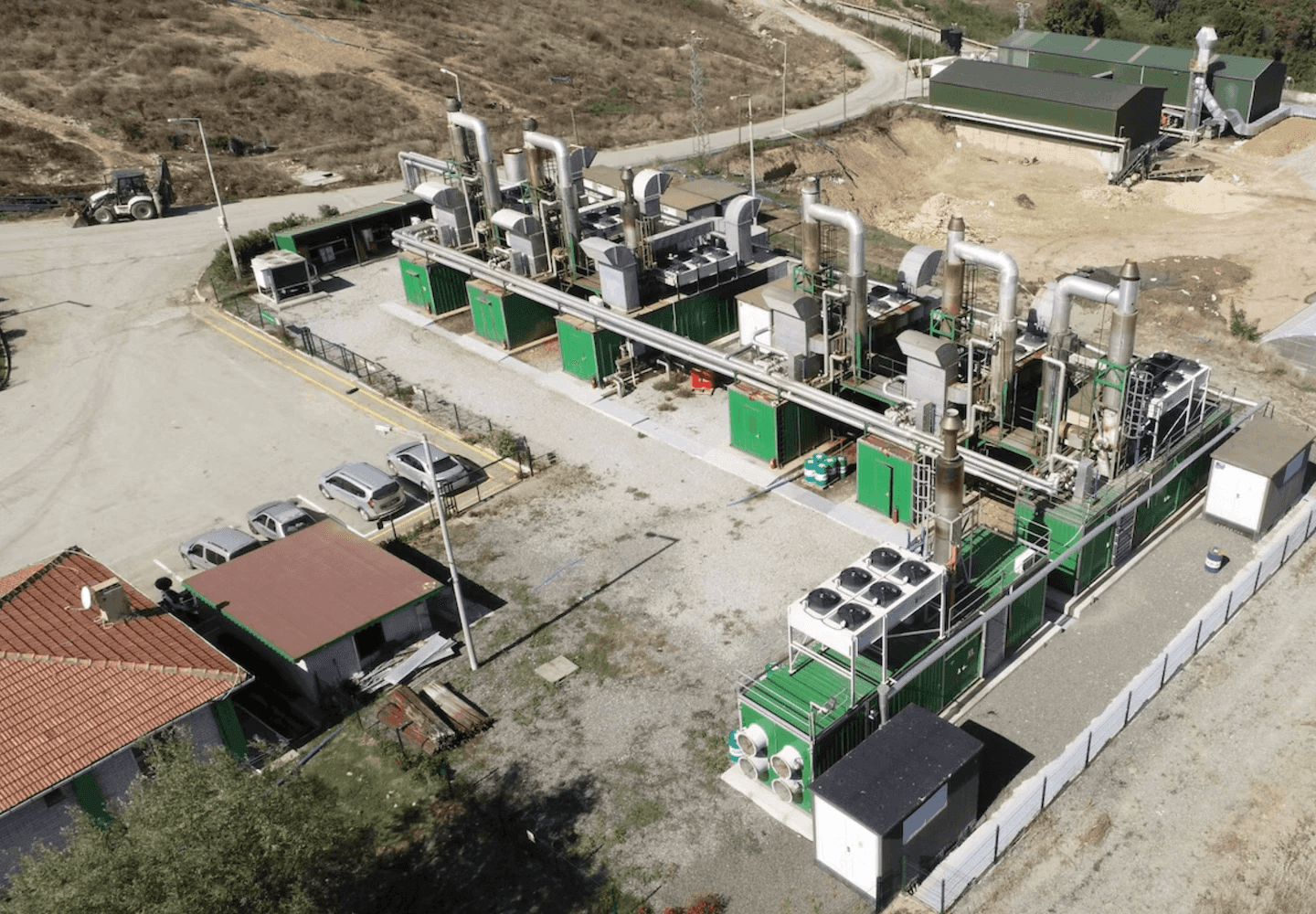
Project Type: Waste - Methane Avoidance
Location: Brusque, Santa Catarina, Brazil
Funded/bought by: various Regreener clients
Status: Operational
The Brusque Landfill Gas Project captures methane released by decomposing waste at a well-managed municipal landfill in southern Brazil, operated by Recicle Catarinense de Resíduos LTDA since 2009. Captured gas is destroyed via a high-temperature enclosed flare and converted into electricity through a 4.56 MW generation infrastructure - displacing fossil fuel power from the Brazilian national grid.
The project uses the ACM0001 methodology, one of the first landfill gas methodologies to receive CCP approval from the ICVCM, making Brusque one of the most integrity-assured waste projects available to buyers in 2026. Annual emission reductions exceed 200,000 tCO₂e, driven primarily by preventing methane - a greenhouse gas 28 times more potent than CO₂ over a 100-year period - from entering the atmosphere.
Key Benefits:
Climate: Avoids over 200K tCO₂e annually through methane capture and flaring, with additional reductions from fossil fuel displacement on the grid.
Social: Reduces odour and health risks for communities near the landfill site; generates local employment in operations, maintenance, and environmental monitoring.
Biodiversity: Limits landfill gas migration into surrounding soil and groundwater, reducing contamination risk to local ecosystems in Santa Catarina State.
SDGs: Supports SDG 7 (Affordable and Clean Energy), SDG 13 (Climate Action), and SDG 11 (Sustainable Cities and Communities).
Comparison: Which Project Fits Your Goals?
Project | Type | Annual Reductions | Price range | Co-Benefits | Best For |
|---|---|---|---|---|---|
Katingan Peatland (VCS1477) | Nature-Based Avoidance | 7.4M tCO₂e | €15 - €25 | Peatland conservation | Long-term carbon storage |
Sumatra Merang (VCS1899) | Nature-Based Avoidance | 1.2M tCO₂e | €10 - €25 | Sumatran tiger habitat, community development | Companies with biodiversity and social impact goals |
TIST Kenya (VCS2338) | Nature-Based Removal | 93K tCO₂e | €15 - €30 | Poverty alleviation | Social impact portfolios |
CarbonCure (VCS3207) | Tech-Based Removal | 32K tCO₂e | €60 - €90 | Low-carbon materials | Industrial ESG strategies |
Brusque Landfill Gas (VCS4138) | Waste - Methane Avoidance | 200K+ tCO₂e | €10 - €25 | CCP-labeled, clean energy | Companies with Brazilian supply chain exposure |
Buy through Regreener
Want these Verra projects in your portfolio?
Regreener can source the projects in this article, as well as other high-integrity projects. Tell us your volume and timing and you’ll get availability and indicative pricing within 1 working day.
No obligation · Reply within 1 working day
How to Evaluate VCS Project Quality: What to Look For and What to Watch Out For
With over 2,300 projects on the Verra registry, not all VCS credits carry the same level of integrity. Here is what to look for — and what to avoid — when evaluating any VCS project for procurement.
What to look for:
Recently verified, active project - the project has completed a verification cycle within the last three years and shows no suspension or investigation flags on the Verra registry. Gaps in verification are a leading indicator of project failure.
Conservative baseline and no third-party credibility challenges - the project’s carbon accounting does not rely on self-selected reference areas or inflated deforestation threat scenarios. Independent ratings from BeZero Carbon, Sylvera, or Calyx Global provide a useful second opinion on additionality and over-crediting risk.
Verified co-benefits - social and biodiversity claims are backed by monitoring data, not just project documentation. CCB Gold or Triple Gold certification from Verra is a meaningful indicator here.
Approved methodology with a clean assessment track record - the project uses a methodology that has been independently reviewed and is not subject to credibility challenges or known quantification disputes. CCP-Approved status under the ICVCM framework is one useful signal, but not the only one.
Country risk is manageable - political stability, sanctions exposure, and land tenure security all affect whether project activities can continue and whether credits remain credible to your stakeholders. Regreener evaluates country risk as a formal domain within our CO2 risk rating framework.
In 2026, the strongest VCS projects combine independently verified additionality with a strict baseline, CCP approval and strong co-benefits - without these, a credit carries reputation risk for the buyer.”
What to watch out for:
No independent third-party rating - if a project has never been assessed by BeZero, Sylvera, Calyx Global, or an equivalent, there is no external check on the validity of the carbon accounting beyond the VVB that the project developer itself commissioned.
Vintage older than 10 years with no recent reverification - old credits from a project that has not been re-verified against current standards may not reflect the project’s actual ongoing performance.
Vague or unverified community benefit claims - co-benefit language that consists of general statements without supporting monitoring reports, community agreements, or third-party validation is a greenwashing risk for buyers who need to evidence social impact.
Methodology under active credibility dispute - some VCS methodologies have attracted serious academic or journalistic scrutiny around baseline inflation or over-crediting. Check whether the project’s methodology has been independently reviewed and whether any requantification is required.
High country risk with no mitigation - projects in countries with active sanctions regimes, weak rule of law, or ongoing land disputes require additional due diligence. A VCS registration does not automatically resolve country-level risk.
How to Buy These Credits for Your Organization
For organizations aiming to buy high-integrity Verra carbon credits, several procurement pathways are available to ensure alignment with your sustainability goals.
You can purchase credits with the help of a specialized advisors who can provide tailored support, helping you design a custom carbon offsetting strategy that matches your specific needs, whether you prioritize climate impact, community benefits, or innovation. Alternatively, you can buy from a carbon credit marketplace.
For those seeking expert guidance, companies like Regreener offer end-to-end support, from strategy development to project selection and credit procurement. Their team of experts ensures that your investments not only meet your climate and social impact goals but also adhere to the highest standards of integrity.
Once purchased, credits are retired in your organization’s name, guaranteeing transparency and preventing double-counting. This step is critical for maintaining the credibility of your offsetting efforts. Companies like Sparkoptimus and BDO Netherlands have sourced VCS credits through Regreener’s portfolio.
“💡 Expert Tip: Combine at least two project types to form an offsetting portfolio - for example, landfill gas (avoidance) and direct air capture (removal) - to cover both short-term and long-term climate impact.”
Boris Bekkering, Commercial Director
Risks and Considerations: What to Know Before Purchasing
While carbon credits offer significant benefits, they also come with risks that organizations must carefully manage. Market volatility can lead to price fluctuations, making it essential to lock in multi-year contracts or use price hedging strategies to mitigate financial uncertainty.
Reversal risks are another critical concern, particularly for forestry projects vulnerable to natural disasters like wildfires. To address this, prioritize projects with buffer pools, such as Rimba Raya, which holds 3.8 million buffer credits to account for potential losses.
Greenwashing remains a persistent risk in the carbon market. Low-quality credits can damage an organization’s reputation, so it’s crucial to select projects with strong additionality and transparent validation processes. Verra’s Climate, Community & Biodiversity (CCB) Label is a useful indicator of high-integrity projects that deliver triple-bottom-line benefits.
Finally, additionality debates continue to challenge the credibility of some projects. To avoid controversy, favor projects with conservative carbon accounting and peer-reviewed methodologies, such as those used by the Katingan Project.
Red flags to avoid include projects that are older than 10 years, as they may lack up-to-date validation, and those with vague community benefits or no public monitoring data, such as satellite imagery for forest projects.
Next Steps: Onboarding Verra Credits In Your Portfolio
Procuring VCS credits can be done through Regreener. Regreener sources high-quality credits by subjecting projects to a stringent rating framework, assessing 100+ indicators across validation quality, additionality, permanence, country risk, and co-benefits - so you know exactly what you are buying and why.
Nature-based and tech-based VCS projects can be a great option to reduce your residual emissions footprint while supporting biodiversity, local communities, and climate innovation. Regreener would advise working with a balanced portfolio of project types - combining avoidance and removal credits across different regions and methodologies reduces concentration risk and strengthens your position under CSRD and SBTi reporting frameworks.
Once purchased, credits are retired in your organisation’s name on the Verra registry, guaranteeing transparency and preventing double-counting. If you’d like to learn more about setting up an effective carbon offsetting strategy, we would be happy to have a chat.
VCS projects represent some of the most established and scalable options in the voluntary carbon market - from large-scale peatland protection to tech-based removal in concrete and waste. By investing in verified, high-integrity projects, businesses can make meaningful progress toward net-zero while supporting real-world impact on the ground.
Ready to build your VCS carbon credit portfolio? Contact Regreener’s experts to discuss the best options for your needs.team and start your journey toward meaningful climate impact.