
have us call you right now.

The 5 Best Plan Vivo Carbon Credit Projects of 2026

The 5 Best Plan Vivo Carbon Credit Projects of 2026

Last updated:

Apr 29, 2025

Apr 29, 2025

5 minute read

5 minute read

Only 16% of carbon credits deliver real community benefits while ensuring long-term climate impact. For businesses committed to sustainability, Plan Vivo Carbon Credits offer a strong solution by combining rigorous carbon sequestration with tangible social and environmental co-benefits.

We vetted the full Plan Vivo portfolio against Regreener's 200+ datapoint quality framework. Here are the five projects worth buying in 2026 - and why.

Direct answer: The 5 best Plan Vivo carbon credit projects of 2026 are:

  1. Tahiry Honko (Madagascar, mangrove restoration),

  2. CommuniTree (Nicaragua, agroforestry),

  3. Trees for Global Benefits (Uganda, multi-species reforestation),

  4. Ethiotrees (Ethiopia, dryland reforestation), and

  5. ArBolivia (Bolivia, Amazon agroforestry).

Each is certified under Plan Vivo's community-led standard and delivers verified carbon removal alongside biodiversity and livelihood co-benefits.

What Is a Carbon Credit?

A carbon credit is a tradable certificate representing one metric ton of carbon dioxide (CO₂) or equivalent greenhouse gases that have been avoided, reduced, or removed from the atmosphere. These credits are generated by projects like reforestation, renewable energy, or sustainable agriculture, which either prevent emissions (for example, by replacing fossil fuels) or sequester carbon (such as through tree planting). Businesses and organizations purchase carbon credits to offset their unavoidable emissions, helping them achieve net-zero targets, comply with regulations, or enhance their ESG credentials.

Each credit is verified by independent standards like Plan Vivo, Gold Standard, or Verra to ensure its legitimacy, preventing double-counting and guaranteeing real climate impact. For B2B buyers, carbon credits provide a measurable way to compensate for emissions while supporting sustainable development and community benefits.

Plan Vivo: History, Quality & V5 Update

Founded in 1994, Plan Vivo is the oldest smallholder-focused carbon standard, specializing in agroforestry, reforestation, and sustainable land use projects. Unlike other certification standards, Plan Vivo emphasizes community ownership, ensuring that projects are designed by and for local stakeholders. This approach not only secures long-term carbon sequestration but also delivers biodiversity and livelihood co-benefits.

Plan Vivo’s transparent, serialized credits include buffer pools to mitigate reversal risks, making them a trusted choice for businesses. The standard aligns with CSRD, SBTi, and TCFD reporting requirements, and supports Scope 3 emissions strategies for hard-to-abate sectors such as agriculture, fashion, and consumer goods. With over two decades of experience, Plan Vivo has established itself as a leader in high-integrity, community-based carbon projects.

Plan Vivo is the only major carbon standard that requires at least 60% of credit revenue to flow directly to local communities.

Plan Vivo vs. Other Carbon Standards (Verra, Gold Standard)

Choosing a carbon credit standard is a strategic decision. Each standard has different strengths depending on your portfolio priorities — whether that's community impact, project type coverage, regulatory alignment, or independent ratings. Here's how Plan Vivo compares to the two other major voluntary market standards.


Plan Vivo

Gold Standard

Verra (VCS)

Founded

1994

2003

2005

Focus

Community-led nature-based projects (agroforestry, reforestation, mangroves)

Broad: renewables, cookstoves, forestry, water

Broadest: all project types incl. REDD+, renewables, industrial gas

Community benefit requirement

Mandatory — at least 60% of credit revenue must flow to local communities

Required but no fixed revenue share

Co-benefits optional (CCB add-on available)

Registry

S&P Global

Gold Standard Impact Registry

Verra Registry

CCP label (ICVCM)

Pursuing accreditation (expected 2026)

Approved for selected methodologies

Approved for selected methodologies

Credit types

Removals only (ARR, agroforestry, mangrove restoration, avoided deforestation)

Removals + avoidance

Removals + avoidance

V5 crediting rules

Only verified PVCs (vPVCs) can be retired

Ex-post verification required

Ex-post verification required

Typical price range

€15–€40/tCO₂e

€10–€50/tCO₂e

€2–€30/tCO₂e (wide range by project type)

Best for

Buyers prioritising community impact, smallholder livelihoods, and nature-based removals

Buyers wanting broad project type coverage with strong sustainability co-benefits

Buyers needing scale, diverse geographies, or specific project types (e.g. REDD+, industrial)

Expert Insight: Many of our clients combine credits across standards — for example, pairing Plan Vivo agroforestry credits (high community impact) with Gold Standard or Verra removal credits for geographic and project-type diversification. The right mix depends on your sector, reporting requirements, and sustainability goals. Talk to a Regreener specialist to design a portfolio that fits.

Bernard de Wit, Founder

a plane flying in the sky with the word go written in it

Explore our Guide: the best Carbon Credit Projects of 2026

Learn about the latest best practices, high-quality projects and strategic options

How Much Do Plan Vivo Credits Cost?

Plan Vivo credits typically trade between €15 and €40 per tonne of CO₂e, depending on the project, vintage, volume, and whether credits are purchased directly from the project or through a reseller.

Several factors drive pricing within this range:

  • Project type: Mangrove restoration credits (such as Tahiry Honko) tend to command higher prices due to their blue carbon premium and scarcity, while agroforestry credits (such as CommuniTree) may sit in the mid-range.

  • Vintage: Recently issued credits from active verification cycles are priced higher than older vintages.

  • Volume: Larger procurement volumes may unlock lower per-unit pricing through forward agreements.

  • Standard version: As projects migrate from V4 to V5, verified PVCs (vPVCs) under V5 may carry a modest premium due to their higher integrity assurance.

For context, high-rated nature-based removal credits across the broader voluntary market traded at median prices above €30/tCO₂e in 2025, while low-rated credits averaged under €4/tCO₂e. Plan Vivo credits consistently sit in the upper segment, reflecting their community co-benefits, removal-based crediting, and third-party verification.

Budgeting tip: For a mid-sized European company offsetting 500–2,000 tonnes of CO₂e annually, a Plan Vivo-focused portfolio typically costs between €10,000 and €60,000 per year - a manageable investment that delivers verifiable impact and strong reporting credentials.

Want to know which credits fit your company's climate strategy?

Book a free consultation today

How Regreener Evaluates Plan Vivo Projects

Not all Plan Vivo projects are equal. While Plan Vivo sets a high baseline through its community-led standard, individual project performance varies on carbon delivery, governance, risk profile, and co-benefit strength.

At Regreener, we assess every carbon credit project — including all five on this list — through our proprietary quality framework, which evaluates over 100 datapoints across five domains: carbon integrity, additionality and permanence, governance and transparency, environmental co-benefits, and social impact.

This goes beyond what the standard itself requires. For example, we cross-reference project claims against independent rating agency assessments from BeZero, Sylvera, and Calyx Global where available, verify the standard version (V4 vs. V5) and certificate type (fPVC, rPVC, or vPVC), and flag country-level governance and political stability risks that could affect long-term project delivery.

As a B Corp-certified carbon credit provider working with 200+ European businesses, we don't just sell credits — we build portfolios designed to withstand regulatory scrutiny under CSRD, SBTi, and TCFD reporting frameworks. Every credit we recommend has passed our internal quality threshold.

The 5 Best Plan Vivo Carbon Credit Projects of 2026

Tahiry Honko – Madagascar (Mangrove Restoration)
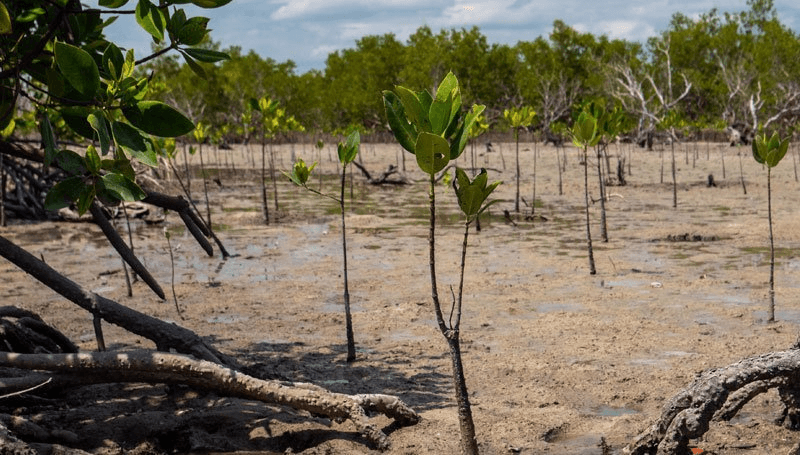
"Tahiry Honko mangrove restoration project in Madagascar — Plan Vivo certified

The Tahiry Honko project is the world’s largest mangrove carbon project, restoring over 1,200 hectares of degraded mangrove ecosystems in southwest Madagascar. Led by local communities, it combines carbon sequestration with coastal protection and fisheries improvement.

This project removes an estimated 1.1 million tons of CO₂ over 20 years while providing biodiversity conservation, storm surge protection, and sustainable livelihoods for more than 12,000 people. Certified by Plan Vivo and CCB (Climate, Community & Biodiversity) Gold Level, Tahiry Honko is ideal for businesses with supply chains linked to coastal regions, such as seafood, shipping, and tourism. Companies like Microsoft and Shell have already integrated Tahiry Honko credits into their sustainability strategies, making it a proven choice for high-integrity offsets.

Tahiry Honko is the world's largest mangrove carbon project and the only Plan Vivo project with CCB Gold Level certification.

CommuniTree – Nicaragua (Agroforestry & Reforestation)
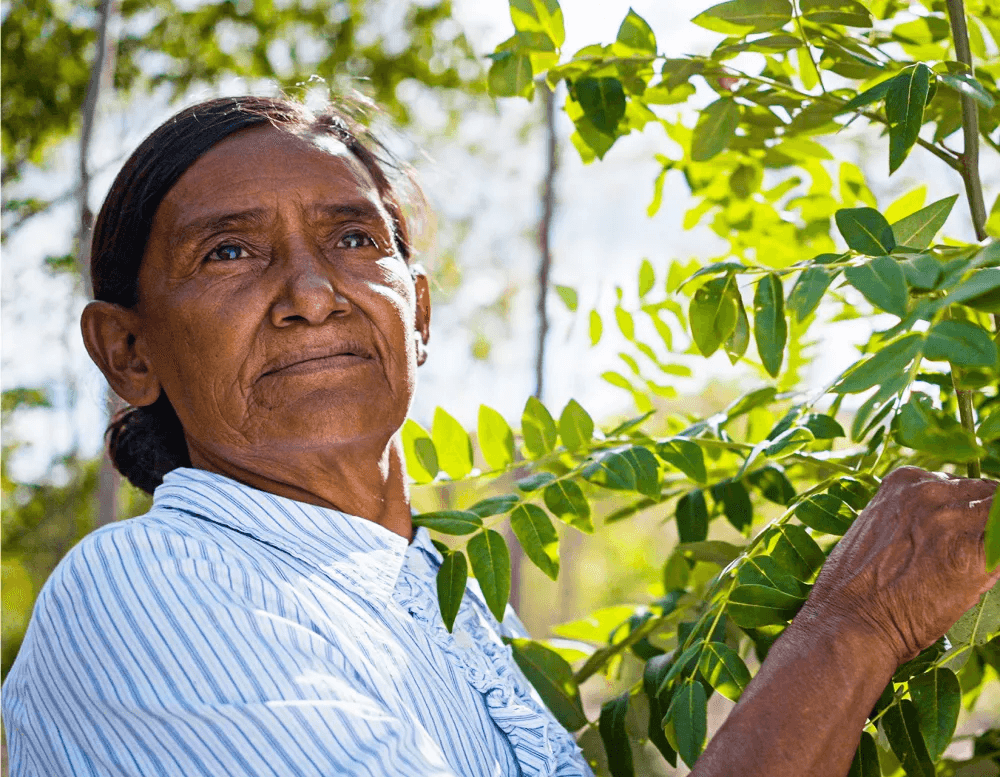
CommuniTree agroforestry project in Nicaragua — Plan Vivo certified

CommuniTree is a smallholder-driven agroforestry project working with over 1,200 farmers to restore degraded lands by planting native tree species alongside crops. The project focuses on sustainable timber, fruit, and fodder production, removing an estimated 500,000 tons of CO₂ over 30 years.

In addition to carbon sequestration, CommuniTree improves soil regeneration, water conservation, and farm incomes. Its dual income streams for farmers—carbon payments plus crop sales—make it a scalable model for agricultural supply chains. The project’s Fair Trade certification adds another layer of credibility for corporate buyers.

Trees for Global Benefits – Uganda (Multi-Species Reforestation)
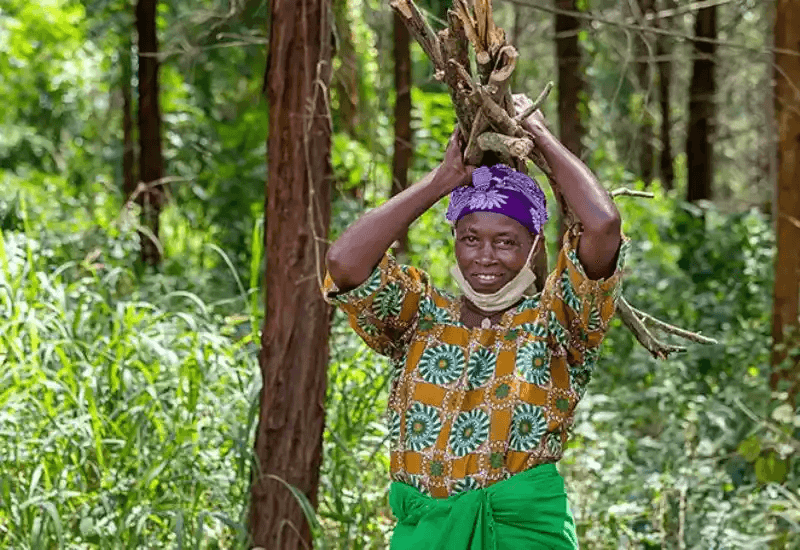
Trees for Global Benefits reforestation project in Uganda — Plan Vivo certified

As Uganda’s longest-running Plan Vivo project, Trees for Global Benefits has planted over 15 million trees across more than 10,000 farms. The project supports diverse species for timber, fruit, and ecosystem services, with a particular focus on women’s empowerment—60% of participants are women.

With over 800,000 tons of CO₂ removed to date, this project offers proven track records since 2003 with high tree survival rates (85%+). It has been adopted by major corporations like Unilever, Ben & Jerry’s, and Patagonia for Scope 3 offsets, and provides flexible engagement options for CSR and ESG reporting.

Explore Project

Ethiotrees – Ethiopia (Dryland Reforestation)
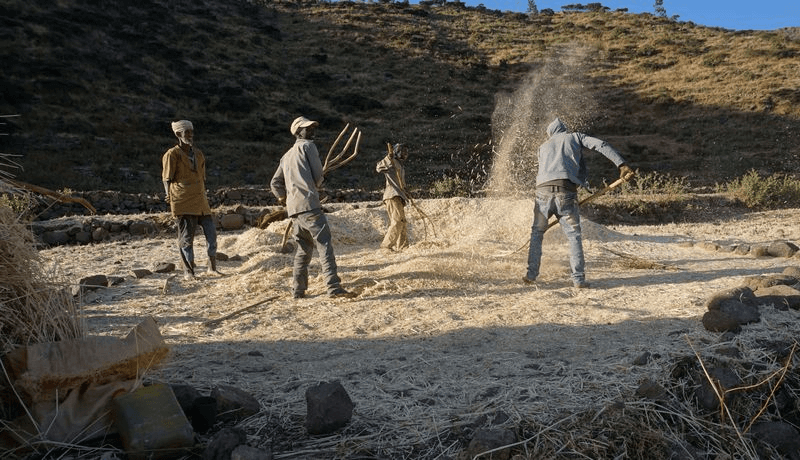
Ethiotrees dryland reforestation project in Ethiopia — Plan Vivo certified

The Ethiotrees project restores degraded drylands in Ethiopia’s Tigray and Amhara regions through community-managed tree planting. It focuses on indigenous species selected for drought tolerance and long-term carbon storage, removing an estimated 300,000 tons of CO₂ annually.

Beyond carbon benefits, Ethiotrees improves soil fertility, reduces desertification, and creates rural jobs. It aligns with Ethiopia’s national reforestation goals and is ideal for corporations with African operations or supply chains. The project holds both Plan Vivo and Gold Standard certifications.

ArBolivia – Bolivia (Amazon Reforestation & Agroforestry)
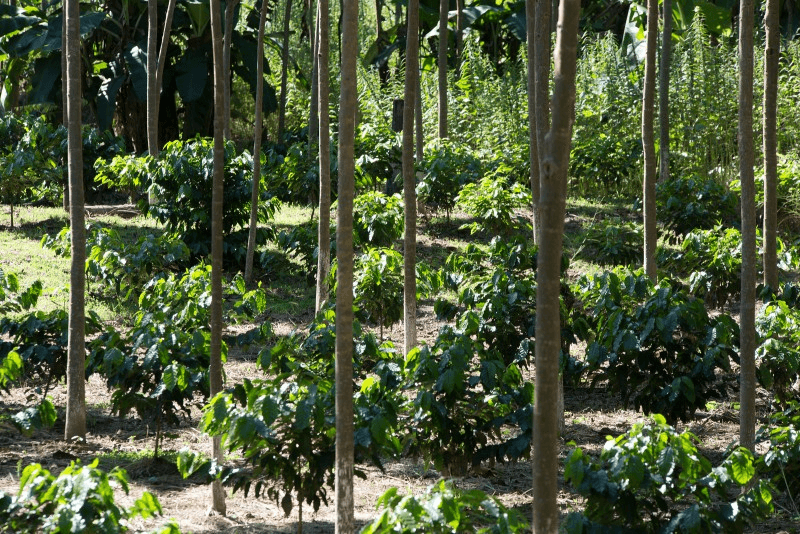
ArBolivia Amazon agroforestry project in Bolivia — Plan Vivo certified

ArBolivia works with indigenous and farming communities in the Bolivian Amazon to restore deforested lands through agroforestry and native species planting. The project removes approximately 250,000 tons of CO₂ annually while creating biodiversity corridors and supporting sustainable Brazil nut production.

As an indigenous-led initiative, ArBolivia ensures cultural and ecological integrity. It has received support from companies like The Body Shop and Lush Cosmetics, making it an excellent choice for businesses prioritizing biodiversity and indigenous rights.

Explore Project

Comparative Analysis

Project

Location

Type

CO₂ Impact

Key SDGs

Tahiry Honko

Madagascar

Mangrove Restoration

~55,000 tCO₂e/year (1.1M over 20 years)

13, 14, 15

CommuniTree

Nicaragua

Agroforestry & Reforestation

~17,000 tCO₂e/year (500K over 30 years)

1, 2, 13, 15

Trees for Global Benefits

Uganda

Multi-Species Reforestation

800,000+ tCO₂e removed to date (since 2003)

1, 5, 13, 15

Ethiotrees

Ethiopia

Dryland Reforestation

~300,000 tCO₂e/year

1, 13, 15

ArBolivia

Bolivia

Amazon Agroforestry

~250,000 tCO₂e/year

1, 13, 15

What B2B Buyers Should Know About Plan Vivo in 2026

Plan Vivo's carbon standard is in the middle of its most significant upgrade since its founding. If you're buying Plan Vivo credits in 2026, three developments matter for your procurement strategy and reporting.

V5 migration: why the standard version matters

All five projects in this list were originally certified under PV Climate V3 or V4 — older versions of the Plan Vivo standard. In 2022, Plan Vivo released PV Climate V5, which introduced stricter crediting rules and new certificate types:

  • fPVCs (future Plan Vivo Certificates) — represent projected, not yet delivered, carbon benefits

  • rPVCs (reported PVCs) — represent monitored but not yet independently verified carbon benefits

  • vPVCs (verified PVCs) — represent independently verified carbon removals

Under V5, only verified PVCs (vPVCs) can be retired as offsets. This is a major upgrade in buyer protection. Under the older V3 and V4 rules, credits could be retired before third-party verification — a practice that independent rating agencies like Calyx Global have flagged as a risk to buyers claiming these retirements as offsets.

All registered V4 projects must complete migration to V5 at their next scheduled verification, which means the five projects on this list will transition to V5 within their next verification cycle. The first PV Climate V5 project was officially certified in May 2024.

What this means for buyers: When procuring Plan Vivo credits from these projects, ask your provider whether the certificates you are purchasing are issued under V4 or V5, and whether they are verified (vPVCs) or unverified. At Regreener, we verify the standard version and certificate type for every credit in our clients' portfolios as part of our 200+ datapoint quality framework.

ICVCM accreditation: the CCP label question

The Integrity Council for the Voluntary Carbon Market (ICVCM) is the closest thing the voluntary carbon market has to an industry-wide quality seal. Its Core Carbon Principles (CCP) label signals that a standard meets rigorous governance, transparency, and environmental integrity criteria. For companies reporting under CSRD or following SBTi guidance, CCP-labelled credits offer an additional layer of defensibility.

As of early 2026, Plan Vivo is in the advanced stages of pursuing ICVCM programme accreditation. An update on timescales is expected during 2026. Until accreditation is confirmed, Plan Vivo credits do not carry the CCP label — which is worth noting if your reporting framework specifically requires or prefers CCP-labelled credits.

ICROA sunset: what replaces it

Plan Vivo was previously endorsed under ICROA's Code of Best Practice, a widely recognised voluntary market accreditation. However, ICROA has announced it will cease all accreditation activities after Q3 2026, citing the growing prominence of ICVCM and VCMI as the new integrity frameworks. Plan Vivo will continue using the ICROA label until it expires in Q3 2026, after which ICVCM accreditation becomes the primary external seal of standard-level quality.

PV Nature: biodiversity credits as an added value layer

Beyond carbon, Plan Vivo has launched PV Nature — a dedicated biodiversity standard that certifies community-led nature conservation and restoration projects. While PV Nature is still in its early stages, several Plan Vivo projects may qualify for dual certification under both PV Climate and PV Nature. For buyers looking to make verifiable biodiversity claims alongside their carbon offset strategy, this is a development worth tracking.

How to Procure Plan Vivo Credits for Your Business

For organizations looking to invest in high-integrity Plan Vivo carbon credits, there are several pathways to procurement:

  1. Procurement Options:

    • Purchase credits directly from project developers or through reputable carbon marketplaces.

    • Work with specialized advisors who can help tailor a carbon offsetting strategy to your needs.

  2. Expert Guidance: Many companies offer end-to-end support in creating a carbon offsetting strategy, selecting the right projects, and purchasing credits. If you’d like personalized advice, you can reach out to Regreener and speak with an expert to ensure your investments align with your climate and social impact goals.

  3. Retirement: Once purchased, credits are retired in your organization’s name, ensuring transparency and preventing double-counting.

Regreener has helped clients across Europe — from Philips to mid-market companies — build carbon portfolios including Plan Vivo credits. Learn more about how we helped companies such as BDO through our Case Studies.

Risks and Mitigation for Buyers

While Plan Vivo projects offer numerous benefits, businesses should be aware of potential challenges in the voluntary carbon market. Price volatility can impact budgeting, though locking in contracts early can help mitigate this risk. Reversal risks, though minimal with Plan Vivo’s buffer pools, should also be considered. The standard’s 20+ years of community-led success and less than 1% reversal rate provide reassurance.

Greenwashing concerns can be addressed by prioritizing third-party verified projects and maintaining transparent reporting. Plan Vivo’s annual monitoring reports offer additional compliance assurance for corporate buyers.

The Future of Plan Vivo

Looking ahead to 2026-2030, Plan Vivo projects are poised to play an increasingly important role in corporate sustainability strategies. Emerging opportunities include hybrid projects combining agroforestry with renewable energy, tech integrations like blockchain and satellite monitoring, and alignment with evolving regulations such as the EU Carbon Border Adjustment Mechanism and U.S. SEC climate rules.

Early adopters of Plan Vivo credits can secure premium offsets before demand increases, gaining a first-mover advantage in supply chain decarbonization. As the voluntary carbon market evolves, Plan Vivo’s community-led approach will continue to set the standard for high-integrity, impactful carbon projects.

Plan Vivo ICVCM / CCP Label Status

Add

Conclusion

Plan Vivo projects offer unmatched integrity, community impact, and relevance for B2B sustainability strategies. From mangrove restoration in Madagascar to agroforestry in Nicaragua and reforestation in Uganda, Ethiopia, and Bolivia, these projects provide measurable climate benefits while supporting local communities and ecosystems.

Ready to take the next step? Whether you're looking to offset emissions, enhance your sustainability strategy, or explore high-integrity carbon projects, expert guidance can help you make the right choices. Contact Regreener today to speak with our team and start your journey toward meaningful climate impact.


Only 16% of carbon credits deliver real community benefits while ensuring long-term climate impact. For businesses committed to sustainability, Plan Vivo Carbon Credits offer a strong solution by combining rigorous carbon sequestration with tangible social and environmental co-benefits.

We vetted the full Plan Vivo portfolio against Regreener's 200+ datapoint quality framework. Here are the five projects worth buying in 2026 - and why.

Direct answer: The 5 best Plan Vivo carbon credit projects of 2026 are:

  1. Tahiry Honko (Madagascar, mangrove restoration),

  2. CommuniTree (Nicaragua, agroforestry),

  3. Trees for Global Benefits (Uganda, multi-species reforestation),

  4. Ethiotrees (Ethiopia, dryland reforestation), and

  5. ArBolivia (Bolivia, Amazon agroforestry).

Each is certified under Plan Vivo's community-led standard and delivers verified carbon removal alongside biodiversity and livelihood co-benefits.

What Is a Carbon Credit?

A carbon credit is a tradable certificate representing one metric ton of carbon dioxide (CO₂) or equivalent greenhouse gases that have been avoided, reduced, or removed from the atmosphere. These credits are generated by projects like reforestation, renewable energy, or sustainable agriculture, which either prevent emissions (for example, by replacing fossil fuels) or sequester carbon (such as through tree planting). Businesses and organizations purchase carbon credits to offset their unavoidable emissions, helping them achieve net-zero targets, comply with regulations, or enhance their ESG credentials.

Each credit is verified by independent standards like Plan Vivo, Gold Standard, or Verra to ensure its legitimacy, preventing double-counting and guaranteeing real climate impact. For B2B buyers, carbon credits provide a measurable way to compensate for emissions while supporting sustainable development and community benefits.

Plan Vivo: History, Quality & V5 Update

Founded in 1994, Plan Vivo is the oldest smallholder-focused carbon standard, specializing in agroforestry, reforestation, and sustainable land use projects. Unlike other certification standards, Plan Vivo emphasizes community ownership, ensuring that projects are designed by and for local stakeholders. This approach not only secures long-term carbon sequestration but also delivers biodiversity and livelihood co-benefits.

Plan Vivo’s transparent, serialized credits include buffer pools to mitigate reversal risks, making them a trusted choice for businesses. The standard aligns with CSRD, SBTi, and TCFD reporting requirements, and supports Scope 3 emissions strategies for hard-to-abate sectors such as agriculture, fashion, and consumer goods. With over two decades of experience, Plan Vivo has established itself as a leader in high-integrity, community-based carbon projects.

Plan Vivo is the only major carbon standard that requires at least 60% of credit revenue to flow directly to local communities.

Plan Vivo vs. Other Carbon Standards (Verra, Gold Standard)

Choosing a carbon credit standard is a strategic decision. Each standard has different strengths depending on your portfolio priorities — whether that's community impact, project type coverage, regulatory alignment, or independent ratings. Here's how Plan Vivo compares to the two other major voluntary market standards.


Plan Vivo

Gold Standard

Verra (VCS)

Founded

1994

2003

2005

Focus

Community-led nature-based projects (agroforestry, reforestation, mangroves)

Broad: renewables, cookstoves, forestry, water

Broadest: all project types incl. REDD+, renewables, industrial gas

Community benefit requirement

Mandatory — at least 60% of credit revenue must flow to local communities

Required but no fixed revenue share

Co-benefits optional (CCB add-on available)

Registry

S&P Global

Gold Standard Impact Registry

Verra Registry

CCP label (ICVCM)

Pursuing accreditation (expected 2026)

Approved for selected methodologies

Approved for selected methodologies

Credit types

Removals only (ARR, agroforestry, mangrove restoration, avoided deforestation)

Removals + avoidance

Removals + avoidance

V5 crediting rules

Only verified PVCs (vPVCs) can be retired

Ex-post verification required

Ex-post verification required

Typical price range

€15–€40/tCO₂e

€10–€50/tCO₂e

€2–€30/tCO₂e (wide range by project type)

Best for

Buyers prioritising community impact, smallholder livelihoods, and nature-based removals

Buyers wanting broad project type coverage with strong sustainability co-benefits

Buyers needing scale, diverse geographies, or specific project types (e.g. REDD+, industrial)

Expert Insight: Many of our clients combine credits across standards — for example, pairing Plan Vivo agroforestry credits (high community impact) with Gold Standard or Verra removal credits for geographic and project-type diversification. The right mix depends on your sector, reporting requirements, and sustainability goals. Talk to a Regreener specialist to design a portfolio that fits.

Bernard de Wit, Founder

a plane flying in the sky with the word go written in it

Explore our Guide: the best Carbon Credit Projects of 2026

Learn about the latest best practices, high-quality projects and strategic options

How Much Do Plan Vivo Credits Cost?

Plan Vivo credits typically trade between €15 and €40 per tonne of CO₂e, depending on the project, vintage, volume, and whether credits are purchased directly from the project or through a reseller.

Several factors drive pricing within this range:

  • Project type: Mangrove restoration credits (such as Tahiry Honko) tend to command higher prices due to their blue carbon premium and scarcity, while agroforestry credits (such as CommuniTree) may sit in the mid-range.

  • Vintage: Recently issued credits from active verification cycles are priced higher than older vintages.

  • Volume: Larger procurement volumes may unlock lower per-unit pricing through forward agreements.

  • Standard version: As projects migrate from V4 to V5, verified PVCs (vPVCs) under V5 may carry a modest premium due to their higher integrity assurance.

For context, high-rated nature-based removal credits across the broader voluntary market traded at median prices above €30/tCO₂e in 2025, while low-rated credits averaged under €4/tCO₂e. Plan Vivo credits consistently sit in the upper segment, reflecting their community co-benefits, removal-based crediting, and third-party verification.

Budgeting tip: For a mid-sized European company offsetting 500–2,000 tonnes of CO₂e annually, a Plan Vivo-focused portfolio typically costs between €10,000 and €60,000 per year - a manageable investment that delivers verifiable impact and strong reporting credentials.

Want to know which credits fit your company's climate strategy?

Book a free consultation today

How Regreener Evaluates Plan Vivo Projects

Not all Plan Vivo projects are equal. While Plan Vivo sets a high baseline through its community-led standard, individual project performance varies on carbon delivery, governance, risk profile, and co-benefit strength.

At Regreener, we assess every carbon credit project — including all five on this list — through our proprietary quality framework, which evaluates over 100 datapoints across five domains: carbon integrity, additionality and permanence, governance and transparency, environmental co-benefits, and social impact.

This goes beyond what the standard itself requires. For example, we cross-reference project claims against independent rating agency assessments from BeZero, Sylvera, and Calyx Global where available, verify the standard version (V4 vs. V5) and certificate type (fPVC, rPVC, or vPVC), and flag country-level governance and political stability risks that could affect long-term project delivery.

As a B Corp-certified carbon credit provider working with 200+ European businesses, we don't just sell credits — we build portfolios designed to withstand regulatory scrutiny under CSRD, SBTi, and TCFD reporting frameworks. Every credit we recommend has passed our internal quality threshold.

The 5 Best Plan Vivo Carbon Credit Projects of 2026

Tahiry Honko – Madagascar (Mangrove Restoration)

"Tahiry Honko mangrove restoration project in Madagascar — Plan Vivo certified

The Tahiry Honko project is the world’s largest mangrove carbon project, restoring over 1,200 hectares of degraded mangrove ecosystems in southwest Madagascar. Led by local communities, it combines carbon sequestration with coastal protection and fisheries improvement.

This project removes an estimated 1.1 million tons of CO₂ over 20 years while providing biodiversity conservation, storm surge protection, and sustainable livelihoods for more than 12,000 people. Certified by Plan Vivo and CCB (Climate, Community & Biodiversity) Gold Level, Tahiry Honko is ideal for businesses with supply chains linked to coastal regions, such as seafood, shipping, and tourism. Companies like Microsoft and Shell have already integrated Tahiry Honko credits into their sustainability strategies, making it a proven choice for high-integrity offsets.

Tahiry Honko is the world's largest mangrove carbon project and the only Plan Vivo project with CCB Gold Level certification.

CommuniTree – Nicaragua (Agroforestry & Reforestation)

CommuniTree agroforestry project in Nicaragua — Plan Vivo certified

CommuniTree is a smallholder-driven agroforestry project working with over 1,200 farmers to restore degraded lands by planting native tree species alongside crops. The project focuses on sustainable timber, fruit, and fodder production, removing an estimated 500,000 tons of CO₂ over 30 years.

In addition to carbon sequestration, CommuniTree improves soil regeneration, water conservation, and farm incomes. Its dual income streams for farmers—carbon payments plus crop sales—make it a scalable model for agricultural supply chains. The project’s Fair Trade certification adds another layer of credibility for corporate buyers.

Trees for Global Benefits – Uganda (Multi-Species Reforestation)

Trees for Global Benefits reforestation project in Uganda — Plan Vivo certified

As Uganda’s longest-running Plan Vivo project, Trees for Global Benefits has planted over 15 million trees across more than 10,000 farms. The project supports diverse species for timber, fruit, and ecosystem services, with a particular focus on women’s empowerment—60% of participants are women.

With over 800,000 tons of CO₂ removed to date, this project offers proven track records since 2003 with high tree survival rates (85%+). It has been adopted by major corporations like Unilever, Ben & Jerry’s, and Patagonia for Scope 3 offsets, and provides flexible engagement options for CSR and ESG reporting.

Explore Project

Ethiotrees – Ethiopia (Dryland Reforestation)

Ethiotrees dryland reforestation project in Ethiopia — Plan Vivo certified

The Ethiotrees project restores degraded drylands in Ethiopia’s Tigray and Amhara regions through community-managed tree planting. It focuses on indigenous species selected for drought tolerance and long-term carbon storage, removing an estimated 300,000 tons of CO₂ annually.

Beyond carbon benefits, Ethiotrees improves soil fertility, reduces desertification, and creates rural jobs. It aligns with Ethiopia’s national reforestation goals and is ideal for corporations with African operations or supply chains. The project holds both Plan Vivo and Gold Standard certifications.

ArBolivia – Bolivia (Amazon Reforestation & Agroforestry)

ArBolivia Amazon agroforestry project in Bolivia — Plan Vivo certified

ArBolivia works with indigenous and farming communities in the Bolivian Amazon to restore deforested lands through agroforestry and native species planting. The project removes approximately 250,000 tons of CO₂ annually while creating biodiversity corridors and supporting sustainable Brazil nut production.

As an indigenous-led initiative, ArBolivia ensures cultural and ecological integrity. It has received support from companies like The Body Shop and Lush Cosmetics, making it an excellent choice for businesses prioritizing biodiversity and indigenous rights.

Explore Project

Comparative Analysis

Project

Location

Type

CO₂ Impact

Key SDGs

Tahiry Honko

Madagascar

Mangrove Restoration

~55,000 tCO₂e/year (1.1M over 20 years)

13, 14, 15

CommuniTree

Nicaragua

Agroforestry & Reforestation

~17,000 tCO₂e/year (500K over 30 years)

1, 2, 13, 15

Trees for Global Benefits

Uganda

Multi-Species Reforestation

800,000+ tCO₂e removed to date (since 2003)

1, 5, 13, 15

Ethiotrees

Ethiopia

Dryland Reforestation

~300,000 tCO₂e/year

1, 13, 15

ArBolivia

Bolivia

Amazon Agroforestry

~250,000 tCO₂e/year

1, 13, 15

What B2B Buyers Should Know About Plan Vivo in 2026

Plan Vivo's carbon standard is in the middle of its most significant upgrade since its founding. If you're buying Plan Vivo credits in 2026, three developments matter for your procurement strategy and reporting.

V5 migration: why the standard version matters

All five projects in this list were originally certified under PV Climate V3 or V4 — older versions of the Plan Vivo standard. In 2022, Plan Vivo released PV Climate V5, which introduced stricter crediting rules and new certificate types:

  • fPVCs (future Plan Vivo Certificates) — represent projected, not yet delivered, carbon benefits

  • rPVCs (reported PVCs) — represent monitored but not yet independently verified carbon benefits

  • vPVCs (verified PVCs) — represent independently verified carbon removals

Under V5, only verified PVCs (vPVCs) can be retired as offsets. This is a major upgrade in buyer protection. Under the older V3 and V4 rules, credits could be retired before third-party verification — a practice that independent rating agencies like Calyx Global have flagged as a risk to buyers claiming these retirements as offsets.

All registered V4 projects must complete migration to V5 at their next scheduled verification, which means the five projects on this list will transition to V5 within their next verification cycle. The first PV Climate V5 project was officially certified in May 2024.

What this means for buyers: When procuring Plan Vivo credits from these projects, ask your provider whether the certificates you are purchasing are issued under V4 or V5, and whether they are verified (vPVCs) or unverified. At Regreener, we verify the standard version and certificate type for every credit in our clients' portfolios as part of our 200+ datapoint quality framework.

ICVCM accreditation: the CCP label question

The Integrity Council for the Voluntary Carbon Market (ICVCM) is the closest thing the voluntary carbon market has to an industry-wide quality seal. Its Core Carbon Principles (CCP) label signals that a standard meets rigorous governance, transparency, and environmental integrity criteria. For companies reporting under CSRD or following SBTi guidance, CCP-labelled credits offer an additional layer of defensibility.

As of early 2026, Plan Vivo is in the advanced stages of pursuing ICVCM programme accreditation. An update on timescales is expected during 2026. Until accreditation is confirmed, Plan Vivo credits do not carry the CCP label — which is worth noting if your reporting framework specifically requires or prefers CCP-labelled credits.

ICROA sunset: what replaces it

Plan Vivo was previously endorsed under ICROA's Code of Best Practice, a widely recognised voluntary market accreditation. However, ICROA has announced it will cease all accreditation activities after Q3 2026, citing the growing prominence of ICVCM and VCMI as the new integrity frameworks. Plan Vivo will continue using the ICROA label until it expires in Q3 2026, after which ICVCM accreditation becomes the primary external seal of standard-level quality.

PV Nature: biodiversity credits as an added value layer

Beyond carbon, Plan Vivo has launched PV Nature — a dedicated biodiversity standard that certifies community-led nature conservation and restoration projects. While PV Nature is still in its early stages, several Plan Vivo projects may qualify for dual certification under both PV Climate and PV Nature. For buyers looking to make verifiable biodiversity claims alongside their carbon offset strategy, this is a development worth tracking.

How to Procure Plan Vivo Credits for Your Business

For organizations looking to invest in high-integrity Plan Vivo carbon credits, there are several pathways to procurement:

  1. Procurement Options:

    • Purchase credits directly from project developers or through reputable carbon marketplaces.

    • Work with specialized advisors who can help tailor a carbon offsetting strategy to your needs.

  2. Expert Guidance: Many companies offer end-to-end support in creating a carbon offsetting strategy, selecting the right projects, and purchasing credits. If you’d like personalized advice, you can reach out to Regreener and speak with an expert to ensure your investments align with your climate and social impact goals.

  3. Retirement: Once purchased, credits are retired in your organization’s name, ensuring transparency and preventing double-counting.

Regreener has helped clients across Europe — from Philips to mid-market companies — build carbon portfolios including Plan Vivo credits. Learn more about how we helped companies such as BDO through our Case Studies.

Risks and Mitigation for Buyers

While Plan Vivo projects offer numerous benefits, businesses should be aware of potential challenges in the voluntary carbon market. Price volatility can impact budgeting, though locking in contracts early can help mitigate this risk. Reversal risks, though minimal with Plan Vivo’s buffer pools, should also be considered. The standard’s 20+ years of community-led success and less than 1% reversal rate provide reassurance.

Greenwashing concerns can be addressed by prioritizing third-party verified projects and maintaining transparent reporting. Plan Vivo’s annual monitoring reports offer additional compliance assurance for corporate buyers.

The Future of Plan Vivo

Looking ahead to 2026-2030, Plan Vivo projects are poised to play an increasingly important role in corporate sustainability strategies. Emerging opportunities include hybrid projects combining agroforestry with renewable energy, tech integrations like blockchain and satellite monitoring, and alignment with evolving regulations such as the EU Carbon Border Adjustment Mechanism and U.S. SEC climate rules.

Early adopters of Plan Vivo credits can secure premium offsets before demand increases, gaining a first-mover advantage in supply chain decarbonization. As the voluntary carbon market evolves, Plan Vivo’s community-led approach will continue to set the standard for high-integrity, impactful carbon projects.

Plan Vivo ICVCM / CCP Label Status

Add

Conclusion

Plan Vivo projects offer unmatched integrity, community impact, and relevance for B2B sustainability strategies. From mangrove restoration in Madagascar to agroforestry in Nicaragua and reforestation in Uganda, Ethiopia, and Bolivia, these projects provide measurable climate benefits while supporting local communities and ecosystems.

Ready to take the next step? Whether you're looking to offset emissions, enhance your sustainability strategy, or explore high-integrity carbon projects, expert guidance can help you make the right choices. Contact Regreener today to speak with our team and start your journey toward meaningful climate impact.

Only 16% of carbon credits deliver real community benefits while ensuring long-term climate impact. For businesses committed to sustainability, Plan Vivo Carbon Credits offer a strong solution by combining rigorous carbon sequestration with tangible social and environmental co-benefits.

We vetted the full Plan Vivo portfolio against Regreener's 200+ datapoint quality framework. Here are the five projects worth buying in 2026 - and why.

Direct answer: The 5 best Plan Vivo carbon credit projects of 2026 are:

  1. Tahiry Honko (Madagascar, mangrove restoration),

  2. CommuniTree (Nicaragua, agroforestry),

  3. Trees for Global Benefits (Uganda, multi-species reforestation),

  4. Ethiotrees (Ethiopia, dryland reforestation), and

  5. ArBolivia (Bolivia, Amazon agroforestry).

Each is certified under Plan Vivo's community-led standard and delivers verified carbon removal alongside biodiversity and livelihood co-benefits.

What Is a Carbon Credit?

A carbon credit is a tradable certificate representing one metric ton of carbon dioxide (CO₂) or equivalent greenhouse gases that have been avoided, reduced, or removed from the atmosphere. These credits are generated by projects like reforestation, renewable energy, or sustainable agriculture, which either prevent emissions (for example, by replacing fossil fuels) or sequester carbon (such as through tree planting). Businesses and organizations purchase carbon credits to offset their unavoidable emissions, helping them achieve net-zero targets, comply with regulations, or enhance their ESG credentials.

Each credit is verified by independent standards like Plan Vivo, Gold Standard, or Verra to ensure its legitimacy, preventing double-counting and guaranteeing real climate impact. For B2B buyers, carbon credits provide a measurable way to compensate for emissions while supporting sustainable development and community benefits.

Plan Vivo: History, Quality & V5 Update

Founded in 1994, Plan Vivo is the oldest smallholder-focused carbon standard, specializing in agroforestry, reforestation, and sustainable land use projects. Unlike other certification standards, Plan Vivo emphasizes community ownership, ensuring that projects are designed by and for local stakeholders. This approach not only secures long-term carbon sequestration but also delivers biodiversity and livelihood co-benefits.

Plan Vivo’s transparent, serialized credits include buffer pools to mitigate reversal risks, making them a trusted choice for businesses. The standard aligns with CSRD, SBTi, and TCFD reporting requirements, and supports Scope 3 emissions strategies for hard-to-abate sectors such as agriculture, fashion, and consumer goods. With over two decades of experience, Plan Vivo has established itself as a leader in high-integrity, community-based carbon projects.

Plan Vivo is the only major carbon standard that requires at least 60% of credit revenue to flow directly to local communities.

Plan Vivo vs. Other Carbon Standards (Verra, Gold Standard)

Choosing a carbon credit standard is a strategic decision. Each standard has different strengths depending on your portfolio priorities — whether that's community impact, project type coverage, regulatory alignment, or independent ratings. Here's how Plan Vivo compares to the two other major voluntary market standards.


Plan Vivo

Gold Standard

Verra (VCS)

Founded

1994

2003

2005

Focus

Community-led nature-based projects (agroforestry, reforestation, mangroves)

Broad: renewables, cookstoves, forestry, water

Broadest: all project types incl. REDD+, renewables, industrial gas

Community benefit requirement

Mandatory — at least 60% of credit revenue must flow to local communities

Required but no fixed revenue share

Co-benefits optional (CCB add-on available)

Registry

S&P Global

Gold Standard Impact Registry

Verra Registry

CCP label (ICVCM)

Pursuing accreditation (expected 2026)

Approved for selected methodologies

Approved for selected methodologies

Credit types

Removals only (ARR, agroforestry, mangrove restoration, avoided deforestation)

Removals + avoidance

Removals + avoidance

V5 crediting rules

Only verified PVCs (vPVCs) can be retired

Ex-post verification required

Ex-post verification required

Typical price range

€15–€40/tCO₂e

€10–€50/tCO₂e

€2–€30/tCO₂e (wide range by project type)

Best for

Buyers prioritising community impact, smallholder livelihoods, and nature-based removals

Buyers wanting broad project type coverage with strong sustainability co-benefits

Buyers needing scale, diverse geographies, or specific project types (e.g. REDD+, industrial)

Expert Insight: Many of our clients combine credits across standards — for example, pairing Plan Vivo agroforestry credits (high community impact) with Gold Standard or Verra removal credits for geographic and project-type diversification. The right mix depends on your sector, reporting requirements, and sustainability goals. Talk to a Regreener specialist to design a portfolio that fits.

Bernard de Wit, Founder

a plane flying in the sky with the word go written in it

Explore our Guide: the best Carbon Credit Projects of 2026

Learn about the latest best practices, high-quality projects and strategic options

How Much Do Plan Vivo Credits Cost?

Plan Vivo credits typically trade between €15 and €40 per tonne of CO₂e, depending on the project, vintage, volume, and whether credits are purchased directly from the project or through a reseller.

Several factors drive pricing within this range:

  • Project type: Mangrove restoration credits (such as Tahiry Honko) tend to command higher prices due to their blue carbon premium and scarcity, while agroforestry credits (such as CommuniTree) may sit in the mid-range.

  • Vintage: Recently issued credits from active verification cycles are priced higher than older vintages.

  • Volume: Larger procurement volumes may unlock lower per-unit pricing through forward agreements.

  • Standard version: As projects migrate from V4 to V5, verified PVCs (vPVCs) under V5 may carry a modest premium due to their higher integrity assurance.

For context, high-rated nature-based removal credits across the broader voluntary market traded at median prices above €30/tCO₂e in 2025, while low-rated credits averaged under €4/tCO₂e. Plan Vivo credits consistently sit in the upper segment, reflecting their community co-benefits, removal-based crediting, and third-party verification.

Budgeting tip: For a mid-sized European company offsetting 500–2,000 tonnes of CO₂e annually, a Plan Vivo-focused portfolio typically costs between €10,000 and €60,000 per year - a manageable investment that delivers verifiable impact and strong reporting credentials.

Want to know which credits fit your company's climate strategy?

Book a free consultation today

How Regreener Evaluates Plan Vivo Projects

Not all Plan Vivo projects are equal. While Plan Vivo sets a high baseline through its community-led standard, individual project performance varies on carbon delivery, governance, risk profile, and co-benefit strength.

At Regreener, we assess every carbon credit project — including all five on this list — through our proprietary quality framework, which evaluates over 100 datapoints across five domains: carbon integrity, additionality and permanence, governance and transparency, environmental co-benefits, and social impact.

This goes beyond what the standard itself requires. For example, we cross-reference project claims against independent rating agency assessments from BeZero, Sylvera, and Calyx Global where available, verify the standard version (V4 vs. V5) and certificate type (fPVC, rPVC, or vPVC), and flag country-level governance and political stability risks that could affect long-term project delivery.

As a B Corp-certified carbon credit provider working with 200+ European businesses, we don't just sell credits — we build portfolios designed to withstand regulatory scrutiny under CSRD, SBTi, and TCFD reporting frameworks. Every credit we recommend has passed our internal quality threshold.

The 5 Best Plan Vivo Carbon Credit Projects of 2026

Tahiry Honko – Madagascar (Mangrove Restoration)

"Tahiry Honko mangrove restoration project in Madagascar — Plan Vivo certified

The Tahiry Honko project is the world’s largest mangrove carbon project, restoring over 1,200 hectares of degraded mangrove ecosystems in southwest Madagascar. Led by local communities, it combines carbon sequestration with coastal protection and fisheries improvement.

This project removes an estimated 1.1 million tons of CO₂ over 20 years while providing biodiversity conservation, storm surge protection, and sustainable livelihoods for more than 12,000 people. Certified by Plan Vivo and CCB (Climate, Community & Biodiversity) Gold Level, Tahiry Honko is ideal for businesses with supply chains linked to coastal regions, such as seafood, shipping, and tourism. Companies like Microsoft and Shell have already integrated Tahiry Honko credits into their sustainability strategies, making it a proven choice for high-integrity offsets.

Tahiry Honko is the world's largest mangrove carbon project and the only Plan Vivo project with CCB Gold Level certification.

CommuniTree – Nicaragua (Agroforestry & Reforestation)

CommuniTree agroforestry project in Nicaragua — Plan Vivo certified

CommuniTree is a smallholder-driven agroforestry project working with over 1,200 farmers to restore degraded lands by planting native tree species alongside crops. The project focuses on sustainable timber, fruit, and fodder production, removing an estimated 500,000 tons of CO₂ over 30 years.

In addition to carbon sequestration, CommuniTree improves soil regeneration, water conservation, and farm incomes. Its dual income streams for farmers—carbon payments plus crop sales—make it a scalable model for agricultural supply chains. The project’s Fair Trade certification adds another layer of credibility for corporate buyers.

Trees for Global Benefits – Uganda (Multi-Species Reforestation)

Trees for Global Benefits reforestation project in Uganda — Plan Vivo certified

As Uganda’s longest-running Plan Vivo project, Trees for Global Benefits has planted over 15 million trees across more than 10,000 farms. The project supports diverse species for timber, fruit, and ecosystem services, with a particular focus on women’s empowerment—60% of participants are women.

With over 800,000 tons of CO₂ removed to date, this project offers proven track records since 2003 with high tree survival rates (85%+). It has been adopted by major corporations like Unilever, Ben & Jerry’s, and Patagonia for Scope 3 offsets, and provides flexible engagement options for CSR and ESG reporting.

Explore Project

Ethiotrees – Ethiopia (Dryland Reforestation)

Ethiotrees dryland reforestation project in Ethiopia — Plan Vivo certified

The Ethiotrees project restores degraded drylands in Ethiopia’s Tigray and Amhara regions through community-managed tree planting. It focuses on indigenous species selected for drought tolerance and long-term carbon storage, removing an estimated 300,000 tons of CO₂ annually.

Beyond carbon benefits, Ethiotrees improves soil fertility, reduces desertification, and creates rural jobs. It aligns with Ethiopia’s national reforestation goals and is ideal for corporations with African operations or supply chains. The project holds both Plan Vivo and Gold Standard certifications.

ArBolivia – Bolivia (Amazon Reforestation & Agroforestry)

ArBolivia Amazon agroforestry project in Bolivia — Plan Vivo certified

ArBolivia works with indigenous and farming communities in the Bolivian Amazon to restore deforested lands through agroforestry and native species planting. The project removes approximately 250,000 tons of CO₂ annually while creating biodiversity corridors and supporting sustainable Brazil nut production.

As an indigenous-led initiative, ArBolivia ensures cultural and ecological integrity. It has received support from companies like The Body Shop and Lush Cosmetics, making it an excellent choice for businesses prioritizing biodiversity and indigenous rights.

Explore Project

Comparative Analysis

Project

Location

Type

CO₂ Impact

Key SDGs

Tahiry Honko

Madagascar

Mangrove Restoration

~55,000 tCO₂e/year (1.1M over 20 years)

13, 14, 15

CommuniTree

Nicaragua

Agroforestry & Reforestation

~17,000 tCO₂e/year (500K over 30 years)

1, 2, 13, 15

Trees for Global Benefits

Uganda

Multi-Species Reforestation

800,000+ tCO₂e removed to date (since 2003)

1, 5, 13, 15

Ethiotrees

Ethiopia

Dryland Reforestation

~300,000 tCO₂e/year

1, 13, 15

ArBolivia

Bolivia

Amazon Agroforestry

~250,000 tCO₂e/year

1, 13, 15

What B2B Buyers Should Know About Plan Vivo in 2026

Plan Vivo's carbon standard is in the middle of its most significant upgrade since its founding. If you're buying Plan Vivo credits in 2026, three developments matter for your procurement strategy and reporting.

V5 migration: why the standard version matters

All five projects in this list were originally certified under PV Climate V3 or V4 — older versions of the Plan Vivo standard. In 2022, Plan Vivo released PV Climate V5, which introduced stricter crediting rules and new certificate types:

  • fPVCs (future Plan Vivo Certificates) — represent projected, not yet delivered, carbon benefits

  • rPVCs (reported PVCs) — represent monitored but not yet independently verified carbon benefits

  • vPVCs (verified PVCs) — represent independently verified carbon removals

Under V5, only verified PVCs (vPVCs) can be retired as offsets. This is a major upgrade in buyer protection. Under the older V3 and V4 rules, credits could be retired before third-party verification — a practice that independent rating agencies like Calyx Global have flagged as a risk to buyers claiming these retirements as offsets.

All registered V4 projects must complete migration to V5 at their next scheduled verification, which means the five projects on this list will transition to V5 within their next verification cycle. The first PV Climate V5 project was officially certified in May 2024.

What this means for buyers: When procuring Plan Vivo credits from these projects, ask your provider whether the certificates you are purchasing are issued under V4 or V5, and whether they are verified (vPVCs) or unverified. At Regreener, we verify the standard version and certificate type for every credit in our clients' portfolios as part of our 200+ datapoint quality framework.

ICVCM accreditation: the CCP label question

The Integrity Council for the Voluntary Carbon Market (ICVCM) is the closest thing the voluntary carbon market has to an industry-wide quality seal. Its Core Carbon Principles (CCP) label signals that a standard meets rigorous governance, transparency, and environmental integrity criteria. For companies reporting under CSRD or following SBTi guidance, CCP-labelled credits offer an additional layer of defensibility.

As of early 2026, Plan Vivo is in the advanced stages of pursuing ICVCM programme accreditation. An update on timescales is expected during 2026. Until accreditation is confirmed, Plan Vivo credits do not carry the CCP label — which is worth noting if your reporting framework specifically requires or prefers CCP-labelled credits.

ICROA sunset: what replaces it

Plan Vivo was previously endorsed under ICROA's Code of Best Practice, a widely recognised voluntary market accreditation. However, ICROA has announced it will cease all accreditation activities after Q3 2026, citing the growing prominence of ICVCM and VCMI as the new integrity frameworks. Plan Vivo will continue using the ICROA label until it expires in Q3 2026, after which ICVCM accreditation becomes the primary external seal of standard-level quality.

PV Nature: biodiversity credits as an added value layer

Beyond carbon, Plan Vivo has launched PV Nature — a dedicated biodiversity standard that certifies community-led nature conservation and restoration projects. While PV Nature is still in its early stages, several Plan Vivo projects may qualify for dual certification under both PV Climate and PV Nature. For buyers looking to make verifiable biodiversity claims alongside their carbon offset strategy, this is a development worth tracking.

How to Procure Plan Vivo Credits for Your Business

For organizations looking to invest in high-integrity Plan Vivo carbon credits, there are several pathways to procurement:

  1. Procurement Options:

    • Purchase credits directly from project developers or through reputable carbon marketplaces.

    • Work with specialized advisors who can help tailor a carbon offsetting strategy to your needs.

  2. Expert Guidance: Many companies offer end-to-end support in creating a carbon offsetting strategy, selecting the right projects, and purchasing credits. If you’d like personalized advice, you can reach out to Regreener and speak with an expert to ensure your investments align with your climate and social impact goals.

  3. Retirement: Once purchased, credits are retired in your organization’s name, ensuring transparency and preventing double-counting.

Regreener has helped clients across Europe — from Philips to mid-market companies — build carbon portfolios including Plan Vivo credits. Learn more about how we helped companies such as BDO through our Case Studies.

Risks and Mitigation for Buyers

While Plan Vivo projects offer numerous benefits, businesses should be aware of potential challenges in the voluntary carbon market. Price volatility can impact budgeting, though locking in contracts early can help mitigate this risk. Reversal risks, though minimal with Plan Vivo’s buffer pools, should also be considered. The standard’s 20+ years of community-led success and less than 1% reversal rate provide reassurance.

Greenwashing concerns can be addressed by prioritizing third-party verified projects and maintaining transparent reporting. Plan Vivo’s annual monitoring reports offer additional compliance assurance for corporate buyers.

The Future of Plan Vivo

Looking ahead to 2026-2030, Plan Vivo projects are poised to play an increasingly important role in corporate sustainability strategies. Emerging opportunities include hybrid projects combining agroforestry with renewable energy, tech integrations like blockchain and satellite monitoring, and alignment with evolving regulations such as the EU Carbon Border Adjustment Mechanism and U.S. SEC climate rules.

Early adopters of Plan Vivo credits can secure premium offsets before demand increases, gaining a first-mover advantage in supply chain decarbonization. As the voluntary carbon market evolves, Plan Vivo’s community-led approach will continue to set the standard for high-integrity, impactful carbon projects.

Plan Vivo ICVCM / CCP Label Status

Add

Conclusion

Plan Vivo projects offer unmatched integrity, community impact, and relevance for B2B sustainability strategies. From mangrove restoration in Madagascar to agroforestry in Nicaragua and reforestation in Uganda, Ethiopia, and Bolivia, these projects provide measurable climate benefits while supporting local communities and ecosystems.

Ready to take the next step? Whether you're looking to offset emissions, enhance your sustainability strategy, or explore high-integrity carbon projects, expert guidance can help you make the right choices. Contact Regreener today to speak with our team and start your journey toward meaningful climate impact.

About the Author

bernard de wit of regreener
Bernard de Wit

Bernard is the Founder of Regreener, starting in 2020 after studying Law in Leiden (the Netherlands) and Oxford (United Kingdom). Passionate about climate action, sustainability, and carbon credit markets, he helps companies take trustworthy, impactful climate action by sharing insights and best practices. When he’s not writing or advising businesses on their sustainability goals, you might find Bernard on the tennis court or catching up with friends.

TABLE OF CONTENTS

Share Article

FAQs

What is a Plan Vivo Certificate (PVC)?

A PVC represents 1 tonne of CO₂e sequestered or mitigated by a PV Climate-certified project. PVCs are tracked on the S&P Global registry.

Is Plan Vivo ICVCM-accredited?

Plan Vivo is pursuing ICVCM programme accreditation; an update is expected in 2026. PV Climate V5 meets key integrity criteria.

How much do Plan Vivo credits cost?

Prices typically range from €15–€40/tCO₂e depending on project type, vintage, and volume.

What's the difference between Plan Vivo V4 and V5?

V5 introduced stricter credit types (fPVCs, rPVCs, vPVCs) and only allows verified certificates to be retired.

Can Plan Vivo credits be used for SBTi or CSRD reporting?

Yes, Plan Vivo credits can support beyond-value-chain mitigation under SBTi and qualify for CSRD disclosure.

How do I know if a carbon credit is high-quality?

Look for certifications from trusted standards like Verra, Gold Standard, or Plan Vivo. High-quality credits are measurable, permanent, additional (wouldn’t happen without funding), and independently verified.

Greenwashing-proof carbon removal

Get a free consultation with Regreener's carbon removal experts