
have us call you right now.

Dec 17, 2025

Dec 17, 2025

Dec 17, 2025

6 min read time min read

6 min read time min read

Aligning Carbon Credits with Science-Based Targets in 2026

By 2026, over 5,000 companies will have Science Based Targets initiative (SBTi)-validated targets, but only 30% will integrate offsets effectively. Is your company prepared to be among the leaders? Aligning carbon offsets with science-based targets is crucial for credible climate action. This article explores the latest trends, risks, strategies, and actionable steps to ensure your carbon offset strategy is robust, compliant, and impactful.

What is the Science Based Targets Initiative (SBTi)?

The Science Based Targets initiative (SBTi) is a global framework designed to help companies set ambitious emissions reduction targets in line with the latest climate science. It aligns corporate strategies with the Paris Agreement’s goal of limiting global warming to 1.5°C above pre-industrial levels. The initiative provides a structured approach for businesses to define and validate their decarbonization pathways, ensuring their climate strategies are both credible and impactful.

The Evolving Landscape of SBTi in 2026

The SBTi framework is evolving, with a stronger emphasis on direct emissions reductions over carbon offsets. The mitigation hierarchy prioritizes reducing emissions first, then removing them, and finally offsetting residual emissions as a last resort.

In 2026, SBTi will categorize companies into two groups: Category A and Category B. Category A includes large, high-income firms with stricter compliance requirements, such as mandatory Scope 3 targets. Category B encompasses small and medium-sized enterprises (SMEs) with more flexibility in target-setting. Understanding which category your company falls into is essential for tailoring your carbon offset strategy effectively.

SBTi’s version 2.0 introduces several updates, including stricter validation of Scope 3 emissions, 5-year near-term renewal cycles, and mandatory transition plans. These changes aim to ensure that companies are making meaningful progress toward their long-term net-zero goals. Additionally, the Ongoing Emissions Responsibility (OER) framework will impact corporate strategies by requiring companies to take responsibility for their ongoing emissions in a more structured and transparent manner.

Regulatory shifts are also shaping the landscape. The new criteria will push companies to integrate carbon offsets more thoughtfully into their overall climate strategies, ensuring that offsets complement rather than replace direct emissions reductions.

What is a Carbon Credit?

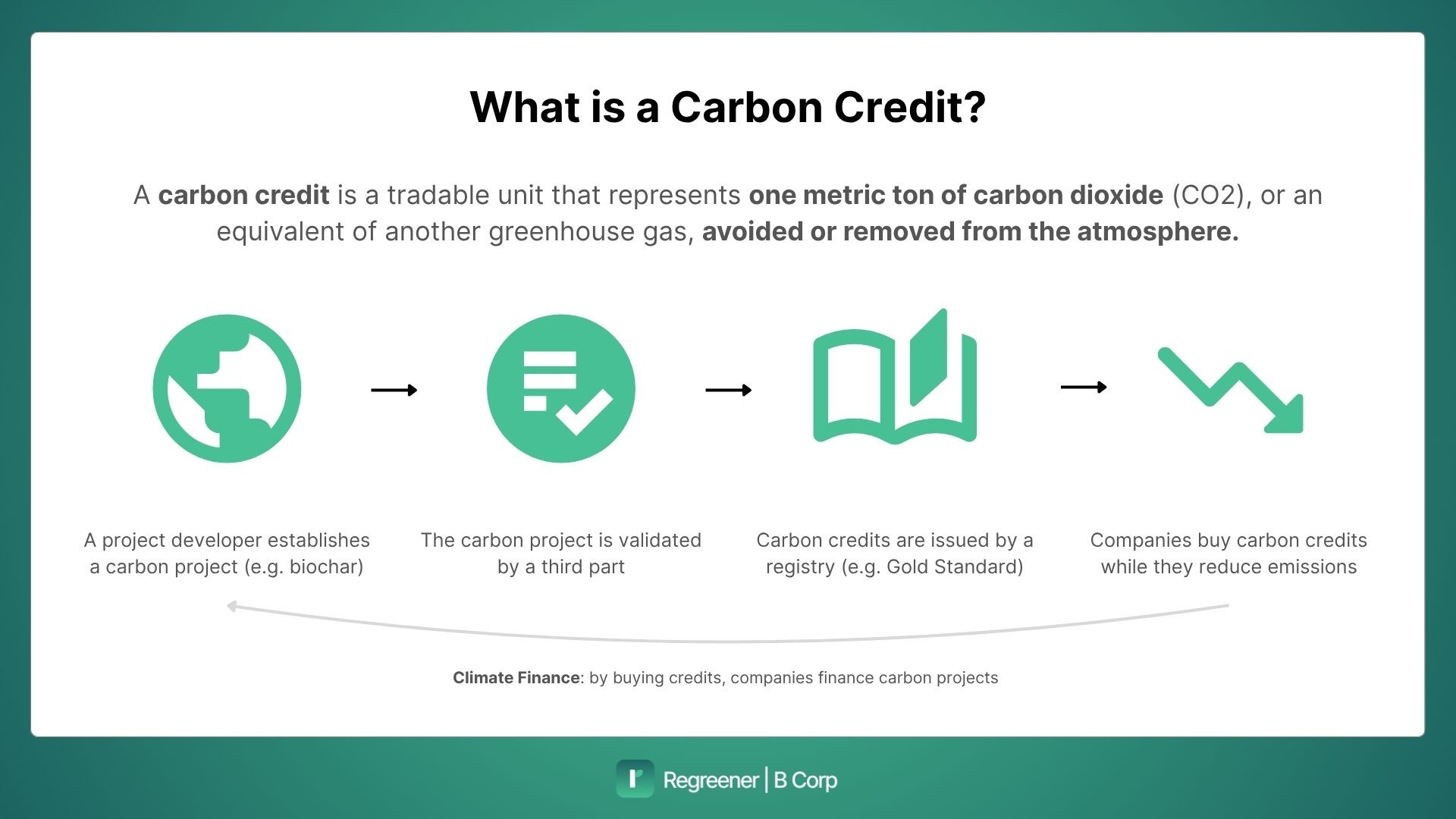
A carbon credit represents one metric ton of carbon dioxide or its equivalent that has been removed from the atmosphere or prevented from being emitted. These credits are generated by certified projects that reduce, avoid, or sequester emissions, such as reforestation, regenerative agriculture, or enhanced rock weathering.

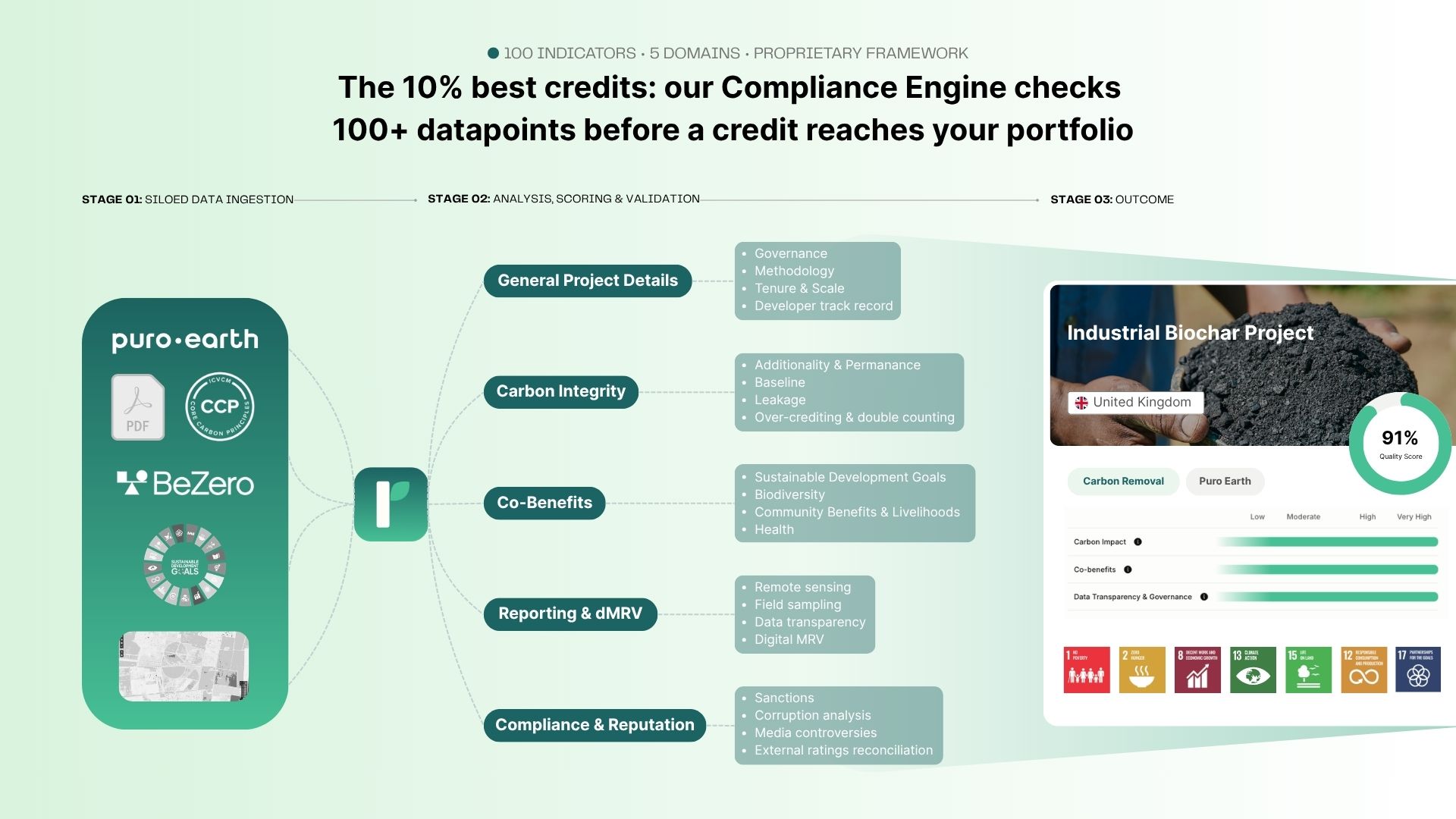
Carbon credits operate in two primary markets: compliance markets, like the European Union Emissions Trading System (EU ETS), and voluntary markets, where companies purchase credits to meet corporate responsibility goals and science-based targets. Independent registries such as Verra, Gold Standard, and Puro.earth play a crucial role in ensuring the integrity of carbon credits through rigorous standards and certification processes. The Core Carbon Principles (CCP) labels further enhance the credibility of high-quality carbon credits.
Carbon Credit Trends in 2026

In 2026, the carbon offset market is experiencing a “push to quality.” Only credits labeled under the Core Carbon Principles (CCP) are considered high-integrity by institutional investors. This shift reflects a growing demand for transparency and effectiveness in carbon offset projects.

Another significant trend is the emergence of "like-for-like" storage rules, which balance short-lived storage solutions (like forests) with long-lived storage options (such as geological storage). This ensures that carbon removal efforts are both effective and sustainable over the long term.

Compliance with Article 6 of the Paris Agreement is also becoming increasingly important. Companies must ensure that their carbon credits do not result in double-counting with national climate targets, maintaining the integrity of their climate claims.

Step-by-Step Guide to Aligning Credits with SBTi

This guide provides a clear pathway for integrating carbon offsets with your Science Based Targets initiative (SBTi) strategy. Follow these steps to ensure your approach is effective, compliant, and aligned with your net-zero goals.

  1. Identify Your Category Determine whether your company is classified as Category A or Category B under SBTi guidelines. This classification will influence your compliance requirements and strategic approach to carbon offsets.

  2. Aim for Recognition Tiers

    • Recognized Status: Address at least 1% of your ongoing emissions via carbon credits or implement an internal carbon price of $20 per tonne.

    • Leadership Status: Apply an internal carbon price of $80 per tonne to 100% of your emissions, using the funds to invest in high-impact carbon removal projects.

  3. The 2026 Portfolio Mix Aim for a portfolio mix that includes at least 41% long-lived removals, such as biochar or mineralization projects, which offer permanence of 1,000+ years.

  4. Integrate via Hierarchy Follow the mitigation hierarchy: reduce emissions first, then remove them, and finally offset residual emissions. This approach ensures that carbon offsets are used as a bridge to achieving long-term net-zero goals.
Common Pitfalls and How to Avoid Them

  1. The "Neutralization" Trap Avoid claiming "net-zero" status using carbon credits before achieving a 90% absolute reduction in emissions. This practice can undermine the credibility of your climate commitments.

  2. Low-Quality Credits Steer clear of avoidance-only credits for final net-zero claims. Instead, focus on high-quality carbon removal projects that offer long-term benefits.

  3. Scope 3 Over-reliance Do not use carbon credits as a substitute for engaging with suppliers and decarbonizing your value chain. True emissions reductions require a comprehensive approach that addresses all scopes of emissions.

The Future of Offsets and SBTi

Emerging technologies like Biochar and Enhanced Rock Weathering are gaining traction as effective methods for carbon removal. Biochar, produced through the pyrolysis of biomass, offers a stable and long-term solution for carbon sequestration. Enhanced weathering, which involves spreading minerals like basalt on farmlands to accelerate natural carbon absorption, is also becoming more mainstream. These technologies provide new opportunities for companies to achieve their carbon removal goals effectively.

Policy shifts are further shaping the carbon offset landscape. The move toward hourly matching for renewable energy (Scope 2) ensures that companies use renewable energy in real-time, enhancing the integrity of their carbon reduction claims. Additionally, the phase-out of avoidance credits by 2040 is pushing companies to focus on more permanent and impactful carbon removal solutions. These policy changes are driving a shift towards higher integrity and more effective carbon offset strategies.

How to Convince Your Colleagues

Gaining internal support for high-quality carbon credits can be challenging, but the benefits extend far beyond compliance. Here’s how to make a compelling case to your colleagues.

1. Regulatory Hedge

Preparing for future regulatory requirements is crucial as the adoption of high-quality carbon offsets becomes mandatory for Category A firms under the Ongoing Emissions Responsibility (OER) framework by 2035. Early adoption of these offsets can significantly mitigate future regulatory risks, ensuring your company stays ahead of compliance curves and avoids potential penalties.

2. Access to Capital

Meeting the requirements of sustainability-linked loans (SLLs) is increasingly tied to alignment with the Science Based Targets initiative (SBTi). A robust carbon offset strategy can improve access to capital and enhance investor confidence, signaling to investors that your company is committed to sustainability and reducing perceived risks.

3. Reputational Leadership

High-quality carbon offsets demonstrate genuine climate action, enhancing your company’s reputation as a sustainability leader. In today’s market, consumers increasingly favor brands with strong environmental commitments, which can drive long-term loyalty and market share. Additionally, proactive climate strategies attract positive media coverage and industry recognition, further bolstering your brand’s value.

4. Operational Resilience

Investing in carbon removal projects, such as biochar for soil health, can improve agricultural yields and resource efficiency in your supply chain. Projects like reforestation or renewable energy offsets can also reduce long-term operational costs, such as energy bills, contributing to overall operational resilience.

5. Employee Engagement and Talent Attraction

Employees are more engaged and proud to work for companies with meaningful climate action. A strong commitment to sustainability can boost workforce morale and provide a recruitment advantage, as top talent, especially younger generations, prioritize employers with strong Environmental, Social, and Governance (ESG) credentials.

6. Innovation and Market Opportunities

Early adoption of high-integrity carbon offsets positions your company to capitalize on emerging carbon markets and technologies. Collaboration with offset providers, such as biochar startups, can spark innovation and create new revenue streams, offering a first-mover advantage in a rapidly evolving market.

7. Risk Diversification

Companies reliant on low-quality carbon offsets risk financial losses if credits are devalued by new regulations or market shifts. High-quality offsets, such as mangrove restoration projects, also reduce physical risks like flood protection for coastal assets, providing a layer of risk diversification.

8. Ethical Responsibility

High-quality carbon offsets deliver measurable social and environmental co-benefits beyond carbon reduction. For example, community-based projects can improve local livelihoods and ecosystems. Transparent offset strategies build trust with NGOs, regulators, and local communities, demonstrating your company’s commitment to ethical responsibility and global impact.

2026 Actionable Checklist: Is Your Portfolio SBTi-Ready?

  • Categorization: Have you confirmed if you are a Category A or Category B organization?

  • The 1% Floor: Are you addressing at least 1% of your total ongoing emissions to meet the "Recognized" tier?

  • Permanence Audit: Does your removal portfolio meet the 41% "long-lived" storage threshold?

  • Integrity Check: Are 100% of your purchased credits CCP-labeled or Article 6-compliant?

  • Transparency: Have you prepared a Transition Plan for publication within 12 months of target validation under V2.0?

Invest in future proof climate impact

Aligning carbon credits with science-based targets is not just a compliance exercise but a strategic advantage. Companies that proactively integrate high-quality carbon offsets into their climate strategies will be better positioned to meet regulatory requirements, attract investment, and achieve long-term sustainability goals.

In 2026, the companies that thrive will treat carbon credits as a bridge—not a crutch—on the path to net zero. By following the guidelines and actionable steps outlined in this article, your company can lead the way in credible and impactful climate action.

By 2026, over 5,000 companies will have Science Based Targets initiative (SBTi)-validated targets, but only 30% will integrate offsets effectively. Is your company prepared to be among the leaders? Aligning carbon offsets with science-based targets is crucial for credible climate action. This article explores the latest trends, risks, strategies, and actionable steps to ensure your carbon offset strategy is robust, compliant, and impactful.

What is the Science Based Targets Initiative (SBTi)?

The Science Based Targets initiative (SBTi) is a global framework designed to help companies set ambitious emissions reduction targets in line with the latest climate science. It aligns corporate strategies with the Paris Agreement’s goal of limiting global warming to 1.5°C above pre-industrial levels. The initiative provides a structured approach for businesses to define and validate their decarbonization pathways, ensuring their climate strategies are both credible and impactful.

The Evolving Landscape of SBTi in 2026

The SBTi framework is evolving, with a stronger emphasis on direct emissions reductions over carbon offsets. The mitigation hierarchy prioritizes reducing emissions first, then removing them, and finally offsetting residual emissions as a last resort.

In 2026, SBTi will categorize companies into two groups: Category A and Category B. Category A includes large, high-income firms with stricter compliance requirements, such as mandatory Scope 3 targets. Category B encompasses small and medium-sized enterprises (SMEs) with more flexibility in target-setting. Understanding which category your company falls into is essential for tailoring your carbon offset strategy effectively.

SBTi’s version 2.0 introduces several updates, including stricter validation of Scope 3 emissions, 5-year near-term renewal cycles, and mandatory transition plans. These changes aim to ensure that companies are making meaningful progress toward their long-term net-zero goals. Additionally, the Ongoing Emissions Responsibility (OER) framework will impact corporate strategies by requiring companies to take responsibility for their ongoing emissions in a more structured and transparent manner.

Regulatory shifts are also shaping the landscape. The new criteria will push companies to integrate carbon offsets more thoughtfully into their overall climate strategies, ensuring that offsets complement rather than replace direct emissions reductions.

What is a Carbon Credit?

A carbon credit represents one metric ton of carbon dioxide or its equivalent that has been removed from the atmosphere or prevented from being emitted. These credits are generated by certified projects that reduce, avoid, or sequester emissions, such as reforestation, regenerative agriculture, or enhanced rock weathering.

Carbon credits operate in two primary markets: compliance markets, like the European Union Emissions Trading System (EU ETS), and voluntary markets, where companies purchase credits to meet corporate responsibility goals and science-based targets. Independent registries such as Verra, Gold Standard, and Puro.earth play a crucial role in ensuring the integrity of carbon credits through rigorous standards and certification processes. The Core Carbon Principles (CCP) labels further enhance the credibility of high-quality carbon credits.

Carbon Credit Trends in 2026

In 2026, the carbon offset market is experiencing a “push to quality.” Only credits labeled under the Core Carbon Principles (CCP) are considered high-integrity by institutional investors. This shift reflects a growing demand for transparency and effectiveness in carbon offset projects.

Another significant trend is the emergence of "like-for-like" storage rules, which balance short-lived storage solutions (like forests) with long-lived storage options (such as geological storage). This ensures that carbon removal efforts are both effective and sustainable over the long term.

Compliance with Article 6 of the Paris Agreement is also becoming increasingly important. Companies must ensure that their carbon credits do not result in double-counting with national climate targets, maintaining the integrity of their climate claims.

Step-by-Step Guide to Aligning Credits with SBTi

This guide provides a clear pathway for integrating carbon offsets with your Science Based Targets initiative (SBTi) strategy. Follow these steps to ensure your approach is effective, compliant, and aligned with your net-zero goals.

  1. Identify Your Category Determine whether your company is classified as Category A or Category B under SBTi guidelines. This classification will influence your compliance requirements and strategic approach to carbon offsets.

  2. Aim for Recognition Tiers

    • Recognized Status: Address at least 1% of your ongoing emissions via carbon credits or implement an internal carbon price of $20 per tonne.

    • Leadership Status: Apply an internal carbon price of $80 per tonne to 100% of your emissions, using the funds to invest in high-impact carbon removal projects.

  3. The 2026 Portfolio Mix Aim for a portfolio mix that includes at least 41% long-lived removals, such as biochar or mineralization projects, which offer permanence of 1,000+ years.

  4. Integrate via Hierarchy Follow the mitigation hierarchy: reduce emissions first, then remove them, and finally offset residual emissions. This approach ensures that carbon offsets are used as a bridge to achieving long-term net-zero goals.

Common Pitfalls and How to Avoid Them

  1. The "Neutralization" Trap Avoid claiming "net-zero" status using carbon credits before achieving a 90% absolute reduction in emissions. This practice can undermine the credibility of your climate commitments.

  2. Low-Quality Credits Steer clear of avoidance-only credits for final net-zero claims. Instead, focus on high-quality carbon removal projects that offer long-term benefits.

  3. Scope 3 Over-reliance Do not use carbon credits as a substitute for engaging with suppliers and decarbonizing your value chain. True emissions reductions require a comprehensive approach that addresses all scopes of emissions.

The Future of Offsets and SBTi

Emerging technologies like Biochar and Enhanced Rock Weathering are gaining traction as effective methods for carbon removal. Biochar, produced through the pyrolysis of biomass, offers a stable and long-term solution for carbon sequestration. Enhanced weathering, which involves spreading minerals like basalt on farmlands to accelerate natural carbon absorption, is also becoming more mainstream. These technologies provide new opportunities for companies to achieve their carbon removal goals effectively.

Policy shifts are further shaping the carbon offset landscape. The move toward hourly matching for renewable energy (Scope 2) ensures that companies use renewable energy in real-time, enhancing the integrity of their carbon reduction claims. Additionally, the phase-out of avoidance credits by 2040 is pushing companies to focus on more permanent and impactful carbon removal solutions. These policy changes are driving a shift towards higher integrity and more effective carbon offset strategies.

How to Convince Your Colleagues

Gaining internal support for high-quality carbon credits can be challenging, but the benefits extend far beyond compliance. Here’s how to make a compelling case to your colleagues.

1. Regulatory Hedge

Preparing for future regulatory requirements is crucial as the adoption of high-quality carbon offsets becomes mandatory for Category A firms under the Ongoing Emissions Responsibility (OER) framework by 2035. Early adoption of these offsets can significantly mitigate future regulatory risks, ensuring your company stays ahead of compliance curves and avoids potential penalties.

2. Access to Capital

Meeting the requirements of sustainability-linked loans (SLLs) is increasingly tied to alignment with the Science Based Targets initiative (SBTi). A robust carbon offset strategy can improve access to capital and enhance investor confidence, signaling to investors that your company is committed to sustainability and reducing perceived risks.

3. Reputational Leadership

High-quality carbon offsets demonstrate genuine climate action, enhancing your company’s reputation as a sustainability leader. In today’s market, consumers increasingly favor brands with strong environmental commitments, which can drive long-term loyalty and market share. Additionally, proactive climate strategies attract positive media coverage and industry recognition, further bolstering your brand’s value.

4. Operational Resilience

Investing in carbon removal projects, such as biochar for soil health, can improve agricultural yields and resource efficiency in your supply chain. Projects like reforestation or renewable energy offsets can also reduce long-term operational costs, such as energy bills, contributing to overall operational resilience.

5. Employee Engagement and Talent Attraction

Employees are more engaged and proud to work for companies with meaningful climate action. A strong commitment to sustainability can boost workforce morale and provide a recruitment advantage, as top talent, especially younger generations, prioritize employers with strong Environmental, Social, and Governance (ESG) credentials.

6. Innovation and Market Opportunities

Early adoption of high-integrity carbon offsets positions your company to capitalize on emerging carbon markets and technologies. Collaboration with offset providers, such as biochar startups, can spark innovation and create new revenue streams, offering a first-mover advantage in a rapidly evolving market.

7. Risk Diversification

Companies reliant on low-quality carbon offsets risk financial losses if credits are devalued by new regulations or market shifts. High-quality offsets, such as mangrove restoration projects, also reduce physical risks like flood protection for coastal assets, providing a layer of risk diversification.

8. Ethical Responsibility

High-quality carbon offsets deliver measurable social and environmental co-benefits beyond carbon reduction. For example, community-based projects can improve local livelihoods and ecosystems. Transparent offset strategies build trust with NGOs, regulators, and local communities, demonstrating your company’s commitment to ethical responsibility and global impact.

2026 Actionable Checklist: Is Your Portfolio SBTi-Ready?

  • Categorization: Have you confirmed if you are a Category A or Category B organization?

  • The 1% Floor: Are you addressing at least 1% of your total ongoing emissions to meet the "Recognized" tier?

  • Permanence Audit: Does your removal portfolio meet the 41% "long-lived" storage threshold?

  • Integrity Check: Are 100% of your purchased credits CCP-labeled or Article 6-compliant?

  • Transparency: Have you prepared a Transition Plan for publication within 12 months of target validation under V2.0?

Invest in future proof climate impact

Aligning carbon credits with science-based targets is not just a compliance exercise but a strategic advantage. Companies that proactively integrate high-quality carbon offsets into their climate strategies will be better positioned to meet regulatory requirements, attract investment, and achieve long-term sustainability goals.

In 2026, the companies that thrive will treat carbon credits as a bridge—not a crutch—on the path to net zero. By following the guidelines and actionable steps outlined in this article, your company can lead the way in credible and impactful climate action.

By 2026, over 5,000 companies will have Science Based Targets initiative (SBTi)-validated targets, but only 30% will integrate offsets effectively. Is your company prepared to be among the leaders? Aligning carbon offsets with science-based targets is crucial for credible climate action. This article explores the latest trends, risks, strategies, and actionable steps to ensure your carbon offset strategy is robust, compliant, and impactful.

What is the Science Based Targets Initiative (SBTi)?

The Science Based Targets initiative (SBTi) is a global framework designed to help companies set ambitious emissions reduction targets in line with the latest climate science. It aligns corporate strategies with the Paris Agreement’s goal of limiting global warming to 1.5°C above pre-industrial levels. The initiative provides a structured approach for businesses to define and validate their decarbonization pathways, ensuring their climate strategies are both credible and impactful.

The Evolving Landscape of SBTi in 2026

The SBTi framework is evolving, with a stronger emphasis on direct emissions reductions over carbon offsets. The mitigation hierarchy prioritizes reducing emissions first, then removing them, and finally offsetting residual emissions as a last resort.

In 2026, SBTi will categorize companies into two groups: Category A and Category B. Category A includes large, high-income firms with stricter compliance requirements, such as mandatory Scope 3 targets. Category B encompasses small and medium-sized enterprises (SMEs) with more flexibility in target-setting. Understanding which category your company falls into is essential for tailoring your carbon offset strategy effectively.

SBTi’s version 2.0 introduces several updates, including stricter validation of Scope 3 emissions, 5-year near-term renewal cycles, and mandatory transition plans. These changes aim to ensure that companies are making meaningful progress toward their long-term net-zero goals. Additionally, the Ongoing Emissions Responsibility (OER) framework will impact corporate strategies by requiring companies to take responsibility for their ongoing emissions in a more structured and transparent manner.

Regulatory shifts are also shaping the landscape. The new criteria will push companies to integrate carbon offsets more thoughtfully into their overall climate strategies, ensuring that offsets complement rather than replace direct emissions reductions.

What is a Carbon Credit?

A carbon credit represents one metric ton of carbon dioxide or its equivalent that has been removed from the atmosphere or prevented from being emitted. These credits are generated by certified projects that reduce, avoid, or sequester emissions, such as reforestation, regenerative agriculture, or enhanced rock weathering.

Carbon credits operate in two primary markets: compliance markets, like the European Union Emissions Trading System (EU ETS), and voluntary markets, where companies purchase credits to meet corporate responsibility goals and science-based targets. Independent registries such as Verra, Gold Standard, and Puro.earth play a crucial role in ensuring the integrity of carbon credits through rigorous standards and certification processes. The Core Carbon Principles (CCP) labels further enhance the credibility of high-quality carbon credits.

Carbon Credit Trends in 2026

In 2026, the carbon offset market is experiencing a “push to quality.” Only credits labeled under the Core Carbon Principles (CCP) are considered high-integrity by institutional investors. This shift reflects a growing demand for transparency and effectiveness in carbon offset projects.

Another significant trend is the emergence of "like-for-like" storage rules, which balance short-lived storage solutions (like forests) with long-lived storage options (such as geological storage). This ensures that carbon removal efforts are both effective and sustainable over the long term.

Compliance with Article 6 of the Paris Agreement is also becoming increasingly important. Companies must ensure that their carbon credits do not result in double-counting with national climate targets, maintaining the integrity of their climate claims.

Step-by-Step Guide to Aligning Credits with SBTi

This guide provides a clear pathway for integrating carbon offsets with your Science Based Targets initiative (SBTi) strategy. Follow these steps to ensure your approach is effective, compliant, and aligned with your net-zero goals.

  1. Identify Your Category Determine whether your company is classified as Category A or Category B under SBTi guidelines. This classification will influence your compliance requirements and strategic approach to carbon offsets.

  2. Aim for Recognition Tiers

    • Recognized Status: Address at least 1% of your ongoing emissions via carbon credits or implement an internal carbon price of $20 per tonne.

    • Leadership Status: Apply an internal carbon price of $80 per tonne to 100% of your emissions, using the funds to invest in high-impact carbon removal projects.

  3. The 2026 Portfolio Mix Aim for a portfolio mix that includes at least 41% long-lived removals, such as biochar or mineralization projects, which offer permanence of 1,000+ years.

  4. Integrate via Hierarchy Follow the mitigation hierarchy: reduce emissions first, then remove them, and finally offset residual emissions. This approach ensures that carbon offsets are used as a bridge to achieving long-term net-zero goals.

Common Pitfalls and How to Avoid Them

  1. The "Neutralization" Trap Avoid claiming "net-zero" status using carbon credits before achieving a 90% absolute reduction in emissions. This practice can undermine the credibility of your climate commitments.

  2. Low-Quality Credits Steer clear of avoidance-only credits for final net-zero claims. Instead, focus on high-quality carbon removal projects that offer long-term benefits.

  3. Scope 3 Over-reliance Do not use carbon credits as a substitute for engaging with suppliers and decarbonizing your value chain. True emissions reductions require a comprehensive approach that addresses all scopes of emissions.

The Future of Offsets and SBTi

Emerging technologies like Biochar and Enhanced Rock Weathering are gaining traction as effective methods for carbon removal. Biochar, produced through the pyrolysis of biomass, offers a stable and long-term solution for carbon sequestration. Enhanced weathering, which involves spreading minerals like basalt on farmlands to accelerate natural carbon absorption, is also becoming more mainstream. These technologies provide new opportunities for companies to achieve their carbon removal goals effectively.

Policy shifts are further shaping the carbon offset landscape. The move toward hourly matching for renewable energy (Scope 2) ensures that companies use renewable energy in real-time, enhancing the integrity of their carbon reduction claims. Additionally, the phase-out of avoidance credits by 2040 is pushing companies to focus on more permanent and impactful carbon removal solutions. These policy changes are driving a shift towards higher integrity and more effective carbon offset strategies.

How to Convince Your Colleagues

Gaining internal support for high-quality carbon credits can be challenging, but the benefits extend far beyond compliance. Here’s how to make a compelling case to your colleagues.

1. Regulatory Hedge

Preparing for future regulatory requirements is crucial as the adoption of high-quality carbon offsets becomes mandatory for Category A firms under the Ongoing Emissions Responsibility (OER) framework by 2035. Early adoption of these offsets can significantly mitigate future regulatory risks, ensuring your company stays ahead of compliance curves and avoids potential penalties.

2. Access to Capital

Meeting the requirements of sustainability-linked loans (SLLs) is increasingly tied to alignment with the Science Based Targets initiative (SBTi). A robust carbon offset strategy can improve access to capital and enhance investor confidence, signaling to investors that your company is committed to sustainability and reducing perceived risks.

3. Reputational Leadership

High-quality carbon offsets demonstrate genuine climate action, enhancing your company’s reputation as a sustainability leader. In today’s market, consumers increasingly favor brands with strong environmental commitments, which can drive long-term loyalty and market share. Additionally, proactive climate strategies attract positive media coverage and industry recognition, further bolstering your brand’s value.

4. Operational Resilience

Investing in carbon removal projects, such as biochar for soil health, can improve agricultural yields and resource efficiency in your supply chain. Projects like reforestation or renewable energy offsets can also reduce long-term operational costs, such as energy bills, contributing to overall operational resilience.

5. Employee Engagement and Talent Attraction

Employees are more engaged and proud to work for companies with meaningful climate action. A strong commitment to sustainability can boost workforce morale and provide a recruitment advantage, as top talent, especially younger generations, prioritize employers with strong Environmental, Social, and Governance (ESG) credentials.

6. Innovation and Market Opportunities

Early adoption of high-integrity carbon offsets positions your company to capitalize on emerging carbon markets and technologies. Collaboration with offset providers, such as biochar startups, can spark innovation and create new revenue streams, offering a first-mover advantage in a rapidly evolving market.

7. Risk Diversification

Companies reliant on low-quality carbon offsets risk financial losses if credits are devalued by new regulations or market shifts. High-quality offsets, such as mangrove restoration projects, also reduce physical risks like flood protection for coastal assets, providing a layer of risk diversification.

8. Ethical Responsibility

High-quality carbon offsets deliver measurable social and environmental co-benefits beyond carbon reduction. For example, community-based projects can improve local livelihoods and ecosystems. Transparent offset strategies build trust with NGOs, regulators, and local communities, demonstrating your company’s commitment to ethical responsibility and global impact.

2026 Actionable Checklist: Is Your Portfolio SBTi-Ready?

  • Categorization: Have you confirmed if you are a Category A or Category B organization?

  • The 1% Floor: Are you addressing at least 1% of your total ongoing emissions to meet the "Recognized" tier?

  • Permanence Audit: Does your removal portfolio meet the 41% "long-lived" storage threshold?

  • Integrity Check: Are 100% of your purchased credits CCP-labeled or Article 6-compliant?

  • Transparency: Have you prepared a Transition Plan for publication within 12 months of target validation under V2.0?

Invest in future proof climate impact

Aligning carbon credits with science-based targets is not just a compliance exercise but a strategic advantage. Companies that proactively integrate high-quality carbon offsets into their climate strategies will be better positioned to meet regulatory requirements, attract investment, and achieve long-term sustainability goals.

In 2026, the companies that thrive will treat carbon credits as a bridge—not a crutch—on the path to net zero. By following the guidelines and actionable steps outlined in this article, your company can lead the way in credible and impactful climate action.

TABLE OF CONTENTS

FAQs

What is a carbon credit?

A carbon credit is a tradable certificate that represents the removal or reduction of one metric ton of carbon dioxide (CO₂) or its equivalent in other greenhouse gases from the atmosphere. Companies, governments, and individuals can buy carbon credits to offset their own emissions, supporting projects like reforestation, renewable energy, or methane capture.

What is a carbon credit?

A carbon credit is a tradable certificate that represents the removal or reduction of one metric ton of carbon dioxide (CO₂) or its equivalent in other greenhouse gases from the atmosphere. Companies, governments, and individuals can buy carbon credits to offset their own emissions, supporting projects like reforestation, renewable energy, or methane capture.

What is a carbon credit?

A carbon credit is a tradable certificate that represents the removal or reduction of one metric ton of carbon dioxide (CO₂) or its equivalent in other greenhouse gases from the atmosphere. Companies, governments, and individuals can buy carbon credits to offset their own emissions, supporting projects like reforestation, renewable energy, or methane capture.

Do carbon credits actually work?

They can, but only if used responsibly. High-quality, verified carbon credits support real, measurable climate projects. But they’re most effective when paired with serious internal reduction efforts, not used as a substitute for them.

Do carbon credits actually work?

They can, but only if used responsibly. High-quality, verified carbon credits support real, measurable climate projects. But they’re most effective when paired with serious internal reduction efforts, not used as a substitute for them.

Do carbon credits actually work?

They can, but only if used responsibly. High-quality, verified carbon credits support real, measurable climate projects. But they’re most effective when paired with serious internal reduction efforts, not used as a substitute for them.

How do I know if a carbon credit is high-quality?

Look for certifications from trusted standards like Verra, Gold Standard, or American Carbon Registry. High-quality credits are measurable, permanent, additional (wouldn’t happen without funding), and independently verified.

How do I know if a carbon credit is high-quality?

Look for certifications from trusted standards like Verra, Gold Standard, or American Carbon Registry. High-quality credits are measurable, permanent, additional (wouldn’t happen without funding), and independently verified.

How do I know if a carbon credit is high-quality?

Look for certifications from trusted standards like Verra, Gold Standard, or American Carbon Registry. High-quality credits are measurable, permanent, additional (wouldn’t happen without funding), and independently verified.

Are carbon credits the same as carbon offsets?

Nearly. The terms are often used interchangeably. Carbon credits refer to the tradable units, while offsets describe the action of compensating emissions using those credits.

Are carbon credits the same as carbon offsets?

Nearly. The terms are often used interchangeably. Carbon credits refer to the tradable units, while offsets describe the action of compensating emissions using those credits.

Are carbon credits the same as carbon offsets?

Nearly. The terms are often used interchangeably. Carbon credits refer to the tradable units, while offsets describe the action of compensating emissions using those credits.

Why do carbon credit prices vary so much?

Prices depend on the project type, location, verification standard, and demand in the market.

Why do carbon credit prices vary so much?

Prices depend on the project type, location, verification standard, and demand in the market.

Why do carbon credit prices vary so much?

Prices depend on the project type, location, verification standard, and demand in the market.

Take climate action today

Join 200+ companies making impact with Regreener

Take climate action today

Join 200+ companies making impact with Regreener

Take climate action today

Join 200+ companies making impact with Regreener